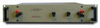
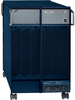
Com-Power Corporation LISN LI-3P-163

Description
The LI-3P-163 is a new LISN from Com-Power. A line impedance stabilization network (LISN) device is something engineers use to test radiofrequency (RF) emission and susceptibility. During an electronic equipment test, engineers place the LISN device between an alternating current or direct current power source and the equipment under test. Additional Features: Frequency Range: 150 kHz to 30 MHz Fully Compliant with CISPR 16-1-2/ANSI C63.4 Remote Switching of Line Under Test Four-conductor, 50ω/50μH Networks appropriate for both 3ø Delta and Wye Power Configurations Application: Power Line Conducted Emissions Tests Standards: ANSI C63.4, CISPR 16-1-2 Type: 50ω/50 μH, (4) Conductor Network Frequency Range: 150 kHz to 30 MHz Insertion Loss (Voltage Division Factor): <0.7 dB Isolation: >40 dB Three-Year Warranty Input Power Ratings for Equipment Under Test (EUT) Current (maximum continuous, per line): 63 Amperes AC Voltage (maximum): 500 Volts rms (line to line), 288 Volts rms (line to ground) DC Voltage (maximum): 705 Volts DC Electrical Remote Interface Power Inputs: 6 Volts DC (unregulated), 500 mA (LISN and RLI-100 Remote LISN Interface) Cooling Fans Power Input: 15 Volts DC (unregulated), 500 mA Input/Output Connectors Power Input Port Plug (affixed to LISN chassis): Schneider Electric P/N: 81886 Power Input Socket (for power input cable): Schneider Electric P/N: 81486 Power Output Port Socket (affixed to LISN chassis): Schneider Electric P/N: 81286 Power Output Port Plug (for EUT power cable): Schneider Electric P/N: 81386 RF Measurement Port: 50ω - N-Type (female) Fiber Optic Ports: Avago Duplex Latching POF Jack (LISN and RLI-100 Remote LISN Interface) Remote Interface Power Input Ports: 5.5/2.5 mm Power Jack (LISN and RLI-100 Remote LISN Interface) Cooling Fans Power Input Port: 5.5/2.1 mm Power Jack Environmental Operating Temperature: 40°F to 104°F (5°C to 40°C) Cooling for LI-3P-163 and LI-3P-1100: Louvered Side Panels, Forced Air by (2) user-controlled, internal fans with (2) 4.5” circular intake openings on rear panel (each opening protected by a circular metal finger guard), (2) 4” square air outlets located on the top cover (each opening protected by metallic mesh) The following items are included: Mating Socket Connector for Power Input Cable Mating Plug Connector for EUT Power Cable RLI-100 Remote LISN Interface Fiber Optic Cable (30 meters) (2) AC Power Adapters (6 VDC, 500 mA, unregulated) AC Power Adapter (15 VDC, 500 mA, unregulated) (LI-3P-163 and LI-3P-1100 models only) These LISNs provide the necessary measurement platform for performing power line conducted emissions compliance testing as required by most worldwide standards for commercial products. The LISNs perform each of the following functions during the measurement: provide a defined, stable impedance across the measurement frequency range; isolate the EUT and measurement circuit from the power source, thereby minimizing its influence on the measurements; and, couple the disturbance voltages to the coaxial measurement port, which connects to the measuring instrument. The LISNs use air-core inductors to prevent saturation and and permeability variation. The mounting plates are left unpainted in order to facilitate connection to earth ground in their installation, which is essential due to high leakage currents. The side panels for each LISN are louvered for cooling purposes. The LI-3P-163 and LI-3P-1100 also include two internal cooling fans operated by a switch on the rear panel. Remote or Local Operation Remote switching of the line under test (L1, L2, L3, N) is performed using the RLI-100 Remote LISN Interface, which controls the LISN via fiber optic connection. In addition to the remote method, the line under test can also be selected using the mechanical, four-position switch located on the front panel of the LISNs. Using either switching method, the lines which are not selected are internally terminated into 50 ohms, while the selected line is terminated by the 50 ohm input impedance of the measuring instrument. Transient Protection The Com-Power LIT-153A Transient Limiter is a recommended accessory for protection of the RF input of your measuring instrument from potentially damaging, instantaneous voltage transients. The transient limiter also reduces the possibility of overload by incorporating two 5 dB attenuation/impedanc e matching pads, in addition to its low-pass and high-pass filter sections which further attenuate any out-of-band emissions. Calibration Each LISN is individually calibrated in compliance with the relevant requirements of CISPR 16-1-2 and ANSI C63.4. Impedance, Phase, Isolation, and Insertion Loss data is supplied with each unit, along with the certificate of calibration. Recognized ISO 17025 accredited calibration is also available upon request.
Datasheet
Description
The LI-3P-163 is a new LISN from Com-Power. A line impedance stabilization network (LISN) device is something engineers use to test radiofrequency (RF) emission and susceptibility. During an electronic equipment test, engineers place the LISN device between an alternating current or direct current power source and the equipment under test. Additional Features: Frequency Range: 150 kHz to 30 MHz Fully Compliant with CISPR 16-1-2/ANSI C63.4 Remote Switching of Line Under Test Four-conductor, 50ω/50μH Networks appropriate for both 3ø Delta and Wye Power Configurations Application: Power Line Conducted Emissions Tests Standards: ANSI C63.4, CISPR 16-1-2 Type: 50ω/50 μH, (4) Conductor Network Frequency Range: 150 kHz to 30 MHz Insertion Loss (Voltage Division Factor): <0.7 dB Isolation: >40 dB Three-Year Warranty Input Power Ratings for Equipment Under Test (EUT) Current (maximum continuous, per line): 63 Amperes AC Voltage (maximum): 500 Volts rms (line to line), 288 Volts rms (line to ground) DC Voltage (maximum): 705 Volts DC Electrical Remote Interface Power Inputs: 6 Volts DC (unregulated), 500 mA (LISN and RLI-100 Remote LISN Interface) Cooling Fans Power Input: 15 Volts DC (unregulated), 500 mA Input/Output Connectors Power Input Port Plug (affixed to LISN chassis): Schneider Electric P/N: 81886 Power Input Socket (for power input cable): Schneider Electric P/N: 81486 Power Output Port Socket (affixed to LISN chassis): Schneider Electric P/N: 81286 Power Output Port Plug (for EUT power cable): Schneider Electric P/N: 81386 RF Measurement Port: 50ω - N-Type (female) Fiber Optic Ports: Avago Duplex Latching POF Jack (LISN and RLI-100 Remote LISN Interface) Remote Interface Power Input Ports: 5.5/2.5 mm Power Jack (LISN and RLI-100 Remote LISN Interface) Cooling Fans Power Input Port: 5.5/2.1 mm Power Jack Environmental Operating Temperature: 40°F to 104°F (5°C to 40°C) Cooling for LI-3P-163 and LI-3P-1100: Louvered Side Panels, Forced Air by (2) user-controlled, internal fans with (2) 4.5” circular intake openings on rear panel (each opening protected by a circular metal finger guard), (2) 4” square air outlets located on the top cover (each opening protected by metallic mesh) The following items are included: Mating Socket Connector for Power Input Cable Mating Plug Connector for EUT Power Cable RLI-100 Remote LISN Interface Fiber Optic Cable (30 meters) (2) AC Power Adapters (6 VDC, 500 mA, unregulated) AC Power Adapter (15 VDC, 500 mA, unregulated) (LI-3P-163 and LI-3P-1100 models only) These LISNs provide the necessary measurement platform for performing power line conducted emissions compliance testing as required by most worldwide standards for commercial products. The LISNs perform each of the following functions during the measurement: provide a defined, stable impedance across the measurement frequency range; isolate the EUT and measurement circuit from the power source, thereby minimizing its influence on the measurements; and, couple the disturbance voltages to the coaxial measurement port, which connects to the measuring instrument. The LISNs use air-core inductors to prevent saturation and and permeability variation. The mounting plates are left unpainted in order to facilitate connection to earth ground in their installation, which is essential due to high leakage currents. The side panels for each LISN are louvered for cooling purposes. The LI-3P-163 and LI-3P-1100 also include two internal cooling fans operated by a switch on the rear panel. Remote or Local Operation Remote switching of the line under test (L1, L2, L3, N) is performed using the RLI-100 Remote LISN Interface, which controls the LISN via fiber optic connection. In addition to the remote method, the line under test can also be selected using the mechanical, four-position switch located on the front panel of the LISNs. Using either switching method, the lines which are not selected are internally terminated into 50 ohms, while the selected line is terminated by the 50 ohm input impedance of the measuring instrument. Transient Protection The Com-Power LIT-153A Transient Limiter is a recommended accessory for protection of the RF input of your measuring instrument from potentially damaging, instantaneous voltage transients. The transient limiter also reduces the possibility of overload by incorporating two 5 dB attenuation/impedanc e matching pads, in addition to its low-pass and high-pass filter sections which further attenuate any out-of-band emissions. Calibration Each LISN is individually calibrated in compliance with the relevant requirements of CISPR 16-1-2 and ANSI C63.4. Impedance, Phase, Isolation, and Insertion Loss data is supplied with each unit, along with the certificate of calibration. Recognized ISO 17025 accredited calibration is also available upon request.
Datasheet

Suppliers

Company
Product
Description
Supplier Links
The LI-3P-163 is a new LISN from Com-Power. A line impedance stabilization network (LISN) device is something engineers use to test radiofrequency (RF) emission and susceptibility. During an electronic equipment test, engineers place the LISN device between an alternating current or direct current power source and the equipment under test. Additional Features: Frequency Range: 150 kHz to 30 MHz Fully Compliant with CISPR 16-1-2/ANSI C63.4 Remote Switching of Line Under Test Four-conductor, 50ω/50μH Networks appropriate for both 3ø Delta and Wye Power Configurations Application: Power Line Conducted Emissions Tests Standards: ANSI C63.4, CISPR 16-1-2 Type: 50ω/50 μH, (4) Conductor Network Frequency Range: 150 kHz to 30 MHz Insertion Loss (Voltage Division Factor): <0.7 dB Isolation: >40 dB Three-Year Warranty Input Power Ratings for Equipment Under Test (EUT) Current (maximum continuous, per line): 63 Amperes AC Voltage (maximum): 500 Volts rms (line to line), 288 Volts rms (line to ground) DC Voltage (maximum): 705 Volts DC Electrical Remote Interface Power Inputs: 6 Volts DC (unregulated), 500 mA (LISN and RLI-100 Remote LISN Interface) Cooling Fans Power Input: 15 Volts DC (unregulated), 500 mA Input/Output Connectors Power Input Port Plug (affixed to LISN chassis): Schneider Electric P/N: 81886 Power Input Socket (for power input cable): Schneider Electric P/N: 81486 Power Output Port Socket (affixed to LISN chassis): Schneider Electric P/N: 81286 Power Output Port Plug (for EUT power cable): Schneider Electric P/N: 81386 RF Measurement Port: 50ω - N-Type (female) Fiber Optic Ports: Avago Duplex Latching POF Jack (LISN and RLI-100 Remote LISN Interface) Remote Interface Power Input Ports: 5.5/2.5 mm Power Jack (LISN and RLI-100 Remote LISN Interface) Cooling Fans Power Input Port: 5.5/2.1 mm Power Jack Environmental Operating Temperature: 40°F to 104°F (5°C to 40°C) Cooling for LI-3P-163 and LI-3P-1100: Louvered Side Panels, Forced Air by (2) user-controlled, internal fans with (2) 4.5” circular intake openings on rear panel (each opening protected by a circular metal finger guard), (2) 4” square air outlets located on the top cover (each opening protected by metallic mesh) The following items are included: Mating Socket Connector for Power Input Cable Mating Plug Connector for EUT Power Cable RLI-100 Remote LISN Interface Fiber Optic Cable (30 meters) (2) AC Power Adapters (6 VDC, 500 mA, unregulated) AC Power Adapter (15 VDC, 500 mA, unregulated) (LI-3P-163 and LI-3P-1100 models only) These LISNs provide the necessary measurement platform for performing power line conducted emissions compliance testing as required by most worldwide standards for commercial products. The LISNs perform each of the following functions during the measurement: provide a defined, stable impedance across the measurement frequency range; isolate the EUT and measurement circuit from the power source, thereby minimizing its influence on the measurements; and, couple the disturbance voltages to the coaxial measurement port, which connects to the measuring instrument. The LISNs use air-core inductors to prevent saturation and and permeability variation. The mounting plates are left unpainted in order to facilitate connection to earth ground in their installation, which is essential due to high leakage currents. The side panels for each LISN are louvered for cooling purposes. The LI-3P-163 and LI-3P-1100 also include two internal cooling fans operated by a switch on the rear panel. Remote or Local Operation Remote switching of the line under test (L1, L2, L3, N) is performed using the RLI-100 Remote LISN Interface, which controls the LISN via fiber optic connection. In addition to the remote method, the line under test can also be selected using the mechanical, four-position switch located on the front panel of the LISNs. Using either switching method, the lines which are not selected are internally terminated into 50 ohms, while the selected line is terminated by the 50 ohm input impedance of the measuring instrument. Transient Protection The Com-Power LIT-153A Transient Limiter is a recommended accessory for protection of the RF input of your measuring instrument from potentially damaging, instantaneous voltage transients. The transient limiter also reduces the possibility of overload by incorporating two 5 dB attenuation/impedanc e matching pads, in addition to its low-pass and high-pass filter sections which further attenuate any out-of-band emissions. Calibration Each LISN is individually calibrated in compliance with the relevant requirements of CISPR 16-1-2 and ANSI C63.4. Impedance, Phase, Isolation, and Insertion Loss data is supplied with each unit, along with the certificate of calibration. Recognized ISO 17025 accredited calibration is also available upon request.
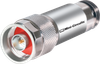
The LI-3P-163 is a new LISN from Com-Power. A line impedance stabilization network (LISN) device is something engineers use to test radiofrequency (RF) emission and susceptibility. During an electronic equipment test, engineers place the LISN device between an alternating current or direct current power source and the equipment under test.

Additional Features:

  • Frequency Range: 150 kHz to 30 MHz
  • Fully Compliant with CISPR 16-1-2/ANSI C63.4
  • Remote Switching of Line Under Test
  • Four-conductor, 50Ω/50μH Networks appropriate for both 3Ø Delta and Wye Power Configurations
  • Application: Power Line Conducted Emissions Tests
  • Standards: ANSI C63.4, CISPR 16-1-2
  • Type: 50Ω/50 μH, (4) Conductor Network
  • Frequency Range: 150 kHz to 30 MHz
  • Insertion Loss (Voltage Division Factor): <0.7 dB
  • Isolation: >40 dB
  • Three-Year Warranty

Input Power Ratings for Equipment Under Test (EUT)

  • Current (maximum continuous, per line): 63 Amperes
  • AC Voltage (maximum): 500 Volts rms (line to line), 288 Volts rms (line to ground)
  • DC Voltage (maximum): 705 Volts DC

Electrical

  • Remote Interface Power Inputs: 6 Volts DC (unregulated), 500 mA (LISN and RLI-100 Remote LISN Interface)
  • Cooling Fans Power Input: 15 Volts DC (unregulated), 500 mA

Input/Output Connectors

  • Power Input Port Plug (affixed to LISN chassis): Schneider Electric P/N: 81886
  • Power Input Socket (for power input cable): Schneider Electric P/N: 81486
  • Power Output Port Socket (affixed to LISN chassis): Schneider Electric P/N: 81286
  • Power Output Port Plug (for EUT power cable): Schneider Electric P/N: 81386
  • RF Measurement Port: 50Ω - N-Type (female)
  • Fiber Optic Ports: Avago Duplex Latching POF Jack (LISN and RLI-100 Remote LISN Interface)
  • Remote Interface Power Input Ports: 5.5/2.5 mm Power Jack (LISN and RLI-100 Remote LISN Interface)
  • Cooling Fans Power Input Port: 5.5/2.1 mm Power Jack

Environmental

  • Operating Temperature: 40°F to 104°F (5°C to 40°C)
  • Cooling for LI-3P-163 and LI-3P-1100: Louvered Side Panels, Forced Air by (2) user-controlled, internal fans with (2) 4.5” circular intake openings on rear panel (each opening protected by a circular metal finger guard), (2) 4” square air outlets located on the top cover (each opening protected by metallic mesh)

The following items are included:

  • Mating Socket Connector for Power Input Cable
  • Mating Plug Connector for EUT Power Cable
  • RLI-100 Remote LISN Interface
  • Fiber Optic Cable (30 meters)
  • (2) AC Power Adapters (6 VDC, 500 mA, unregulated)
  • AC Power Adapter (15 VDC, 500 mA, unregulated) (LI-3P-163 and LI-3P-1100 models only)

These LISNs provide the necessary measurement platform for performing power line conducted emissions compliance testing as required by most worldwide standards for commercial products. The LISNs perform each of the following functions during the measurement:

  • provide a defined, stable impedance across the measurement frequency range;
  • isolate the EUT and measurement circuit from the power source, thereby minimizing its influence on the measurements; and,
  • couple the disturbance voltages to the coaxial measurement port, which connects to the measuring instrument.

The LISNs use air-core inductors to prevent saturation and and permeability variation. The mounting plates are left unpainted in order to facilitate connection to earth ground in their installation, which is essential due to high leakage currents.

The side panels for each LISN are louvered for cooling purposes. The LI-3P-163 and LI-3P-1100 also include two internal cooling fans operated by a switch on the rear panel.

Remote or Local Operation

Remote switching of the line under test (L1, L2, L3, N) is performed using the RLI-100 Remote LISN Interface, which controls the LISN via fiber optic connection.

In addition to the remote method, the line under test can also be selected using the mechanical, four-position switch located on the front panel of the LISNs.

Using either switching method, the lines which are not selected are internally terminated into 50 ohms, while the selected line is terminated by the 50 ohm input impedance of the measuring instrument.

Transient Protection

The Com-Power LIT-153A Transient Limiter is a recommended accessory for protection of the RF input of your measuring instrument from potentially damaging, instantaneous voltage transients.

The transient limiter also reduces the possibility of overload by incorporating two 5 dB attenuation/impedance matching pads, in addition to its low-pass and high-pass filter sections which further attenuate any out-of-band emissions.

Calibration

Each LISN is individually calibrated in compliance with the relevant requirements of CISPR 16-1-2 and ANSI C63.4. Impedance, Phase, Isolation, and Insertion Loss data is supplied with each unit, along with the certificate of calibration.

Recognized ISO 17025 accredited calibration is also available upon request.

Supplier's Site Datasheet

Technical Specifications

  ValueTronics International, Inc.
Product Category Impedance Matching Networks
Product Number LI-3P-163
Product Name LISN
Frequency 30 MHz
Unlock Full Specs
to access all available technical data

Similar Products

N7FS Shaker impedance matching network - N7FS - Wilcoxon Sensing Technologies
Specs
Frequency 0.0400 MHz
View Details
Impedance Matching Transformer - Model MT56R - Krohn-Hite Corporation
Specs
Modes of Operation Manual
Frequency 3.00E-5 to 5 MHz
Power 75 watts
View Details
Match Pro Impedance Matching Networks - CPMX5000 - Comdel, Inc.
Specs
Modes of Operation Manual; Automatic
Cooling Forced Air (optional feature); Water Cooling (optional feature)
Frequency 60 Hz; 50 Hz
View Details
Reference Impedance Network - ES4152/ES4153 - Wayne Kerr Electronics
Specs
Phase Single Phase; Three Phase (optional feature)
View Details