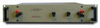
Com-Power Corporation LISN LI-220C

Description
The LI-220C is a 30 MHz, 20 A LISN from Com-Power. A line impedance stabilization network (LISN) device is something engineers use to test radiofrequency (RF) emission and susceptibility. During an electronic equipment test, engineers place the LISN device between an alternating current or direct current power source and the equipment under test. Additional Features: Frequency range of 9 kHz to 30 MHz Fully compliant with CISPR 16-1-2 / ANSI C63.4 “Air-core” inductors to prevent saturation Individual Calibration Included Three-Year Warranty General Specifications Application: Power Line Conducted Emissions Tests Standards: CISPR 16-1-2, ANSI C63.4 Type: 50ω / 50 μH + 5ω (CISPR), 50 μH & 250 μH (ANSI) Frequency Range: 9 kHz to 30 MHz Insertion Loss (Voltage Division Factor): 9 kHz - 150 kHz <6.5 dB to <0.5 dB (increasing linearly with log of freq); 150 kHz - 30 MHz <0.5 dB Isolation: 9 kHz - 150 kHz >10 dB to >60 dB (increasing linearly with log of freq); 150 kHz - 30 MHz >60 dB Electrical Specifications Voltage Rating: 270 VoltsAC (rms), 380 VoltsDC (Line to Ground) Current Rating: 20 AmpsAC (rms), 14 AmpsDC Input/Output Connectors EUT Power Input Port: IEC C20 Receptacle EUT Power Output Port: Universal Multi-Configuration AC Receptacle RF Measurement Port: 50ω - N-Type (female) Mechanical Specifications Dimensions: (H)x(W)x(D) 7.5” x 17” x 15.35” (19 x 43 x 39 cm) Weight: 20.5 lbs (9.3 kg) Environmental Specifications Operating Temperature: 40°F to 104°F (5°C to 40°C) The LI-220C Line Impedance Stabilization Network (LISN) provides the necessary measurement platform for performing power line conducted emissions compliance testing as required by most worldwide standards for commercial products. The LI-220C is compliant with both CISPR 16-1-2 and ANSI C63.4. The LISN provides defined stable impedance and isolates the EUT from power source influences, thereby providing accurate and repeatable results. The LI-220C includes one pair of single-conductor networks, housed together, to be installed in series with each current-carrying conductor in a single- phase, dual-phase or DC power system. A second LI-220C pair can be used to accommodate 3-phase power systems (Wye or Delta configurations). This LISN uses air-core inductors to prevent saturation and permeability variation. The mounting plate of the LI-220C is left unpainted in order to facilitate connection to earth ground in its installation, which is essential due to high leakage current. Use of a Transient Limiter for impedance matching, reduction of out-of-band emissions and transient protection for your measurement instrument is highly recommended and available from Com- Power. All Com-Power LISNs are individually calibrated in compliance with the relevant requirements of CISPR 16-1-2 and ANSI C63.4. Impedance, Phase, Isolation, and Insertion Loss data is supplied with each unit, along with the calibration certificate. The LI-220C Line Impedance Stabilization Network (LISN) is in full compliance with both CISPR 16-1-2 and ANSI C63.4. It provides the necessary measurement platform for performing power line conducted emissions compliance testing as required by most worldwide standards for commercial products. The LI220C performs each of the following functions during the measurement: Provides a defined, stable impedance across the measurement frequency range Isolates the EUT and measurement circuit from the power source, thereby minimizing its influence on the measurements Couples the disturbance voltages to the coaxial measurement port for connection to the measuring instrument. This LISN uses air-core inductors to prevent saturation and permeability variation. The mounting plate of the LI-220C is left unpainted in order to facilitate connection to earth ground in its installation, which is essential due to high leakage current. Versatility The LI-220C is a dual-conductor network capable of handling currents up to 20 Amps(AC) per line. The EUT power port is fitted with a universal, multi-configuration receptacle, which accommodates almost any EUT plug without the need for adapters. The power input port is fitted with a standard IEC C20 receptacle. Transient Protection Com-Power Transient Limiters are a recommended accessory in order to protect the RF input of your measuring instrument from potentially damaging, instantaneous voltage transients. The transient limiter also reduces the possibility of overload by incorporating two 5 dB attenuation/impedanc e matching pads, in addition to its low-pass and high-pass filter sections which further attenuate any out-of-band emissions. Calibration All Com-Power LISNs are individually calibrated in compliance with the relevant requirements of CISPR 16-1-2 and ANSI C63.4. Impedance, Phase, Isolation, and Insertion Loss data is supplied with each unit, along with the certificate of calibration. Recognized ISO 17025 accredited calibration is also available upon request. The Com-Power LI-220C replaces the LI-220A.
Datasheet
Description
The LI-220C is a 30 MHz, 20 A LISN from Com-Power. A line impedance stabilization network (LISN) device is something engineers use to test radiofrequency (RF) emission and susceptibility. During an electronic equipment test, engineers place the LISN device between an alternating current or direct current power source and the equipment under test. Additional Features: Frequency range of 9 kHz to 30 MHz Fully compliant with CISPR 16-1-2 / ANSI C63.4 “Air-core” inductors to prevent saturation Individual Calibration Included Three-Year Warranty General Specifications Application: Power Line Conducted Emissions Tests Standards: CISPR 16-1-2, ANSI C63.4 Type: 50ω / 50 μH + 5ω (CISPR), 50 μH & 250 μH (ANSI) Frequency Range: 9 kHz to 30 MHz Insertion Loss (Voltage Division Factor): 9 kHz - 150 kHz <6.5 dB to <0.5 dB (increasing linearly with log of freq); 150 kHz - 30 MHz <0.5 dB Isolation: 9 kHz - 150 kHz >10 dB to >60 dB (increasing linearly with log of freq); 150 kHz - 30 MHz >60 dB Electrical Specifications Voltage Rating: 270 VoltsAC (rms), 380 VoltsDC (Line to Ground) Current Rating: 20 AmpsAC (rms), 14 AmpsDC Input/Output Connectors EUT Power Input Port: IEC C20 Receptacle EUT Power Output Port: Universal Multi-Configuration AC Receptacle RF Measurement Port: 50ω - N-Type (female) Mechanical Specifications Dimensions: (H)x(W)x(D) 7.5” x 17” x 15.35” (19 x 43 x 39 cm) Weight: 20.5 lbs (9.3 kg) Environmental Specifications Operating Temperature: 40°F to 104°F (5°C to 40°C) The LI-220C Line Impedance Stabilization Network (LISN) provides the necessary measurement platform for performing power line conducted emissions compliance testing as required by most worldwide standards for commercial products. The LI-220C is compliant with both CISPR 16-1-2 and ANSI C63.4. The LISN provides defined stable impedance and isolates the EUT from power source influences, thereby providing accurate and repeatable results. The LI-220C includes one pair of single-conductor networks, housed together, to be installed in series with each current-carrying conductor in a single- phase, dual-phase or DC power system. A second LI-220C pair can be used to accommodate 3-phase power systems (Wye or Delta configurations). This LISN uses air-core inductors to prevent saturation and permeability variation. The mounting plate of the LI-220C is left unpainted in order to facilitate connection to earth ground in its installation, which is essential due to high leakage current. Use of a Transient Limiter for impedance matching, reduction of out-of-band emissions and transient protection for your measurement instrument is highly recommended and available from Com- Power. All Com-Power LISNs are individually calibrated in compliance with the relevant requirements of CISPR 16-1-2 and ANSI C63.4. Impedance, Phase, Isolation, and Insertion Loss data is supplied with each unit, along with the calibration certificate. The LI-220C Line Impedance Stabilization Network (LISN) is in full compliance with both CISPR 16-1-2 and ANSI C63.4. It provides the necessary measurement platform for performing power line conducted emissions compliance testing as required by most worldwide standards for commercial products. The LI220C performs each of the following functions during the measurement: Provides a defined, stable impedance across the measurement frequency range Isolates the EUT and measurement circuit from the power source, thereby minimizing its influence on the measurements Couples the disturbance voltages to the coaxial measurement port for connection to the measuring instrument. This LISN uses air-core inductors to prevent saturation and permeability variation. The mounting plate of the LI-220C is left unpainted in order to facilitate connection to earth ground in its installation, which is essential due to high leakage current. Versatility The LI-220C is a dual-conductor network capable of handling currents up to 20 Amps(AC) per line. The EUT power port is fitted with a universal, multi-configuration receptacle, which accommodates almost any EUT plug without the need for adapters. The power input port is fitted with a standard IEC C20 receptacle. Transient Protection Com-Power Transient Limiters are a recommended accessory in order to protect the RF input of your measuring instrument from potentially damaging, instantaneous voltage transients. The transient limiter also reduces the possibility of overload by incorporating two 5 dB attenuation/impedanc e matching pads, in addition to its low-pass and high-pass filter sections which further attenuate any out-of-band emissions. Calibration All Com-Power LISNs are individually calibrated in compliance with the relevant requirements of CISPR 16-1-2 and ANSI C63.4. Impedance, Phase, Isolation, and Insertion Loss data is supplied with each unit, along with the certificate of calibration. Recognized ISO 17025 accredited calibration is also available upon request. The Com-Power LI-220C replaces the LI-220A.
Datasheet

Suppliers

Company
Product
Description
Supplier Links
The LI-220C is a 30 MHz, 20 A LISN from Com-Power. A line impedance stabilization network (LISN) device is something engineers use to test radiofrequency (RF) emission and susceptibility. During an electronic equipment test, engineers place the LISN device between an alternating current or direct current power source and the equipment under test. Additional Features: Frequency range of 9 kHz to 30 MHz Fully compliant with CISPR 16-1-2 / ANSI C63.4 “Air-core” inductors to prevent saturation Individual Calibration Included Three-Year Warranty General Specifications Application: Power Line Conducted Emissions Tests Standards: CISPR 16-1-2, ANSI C63.4 Type: 50ω / 50 μH + 5ω (CISPR), 50 μH & 250 μH (ANSI) Frequency Range: 9 kHz to 30 MHz Insertion Loss (Voltage Division Factor): 9 kHz - 150 kHz <6.5 dB to <0.5 dB (increasing linearly with log of freq); 150 kHz - 30 MHz <0.5 dB Isolation: 9 kHz - 150 kHz >10 dB to >60 dB (increasing linearly with log of freq); 150 kHz - 30 MHz >60 dB Electrical Specifications Voltage Rating: 270 VoltsAC (rms), 380 VoltsDC (Line to Ground) Current Rating: 20 AmpsAC (rms), 14 AmpsDC Input/Output Connectors EUT Power Input Port: IEC C20 Receptacle EUT Power Output Port: Universal Multi-Configuration AC Receptacle RF Measurement Port: 50ω - N-Type (female) Mechanical Specifications Dimensions: (H)x(W)x(D) 7.5” x 17” x 15.35” (19 x 43 x 39 cm) Weight: 20.5 lbs (9.3 kg) Environmental Specifications Operating Temperature: 40°F to 104°F (5°C to 40°C) The LI-220C Line Impedance Stabilization Network (LISN) provides the necessary measurement platform for performing power line conducted emissions compliance testing as required by most worldwide standards for commercial products. The LI-220C is compliant with both CISPR 16-1-2 and ANSI C63.4. The LISN provides defined stable impedance and isolates the EUT from power source influences, thereby providing accurate and repeatable results. The LI-220C includes one pair of single-conductor networks, housed together, to be installed in series with each current-carrying conductor in a single- phase, dual-phase or DC power system. A second LI-220C pair can be used to accommodate 3-phase power systems (Wye or Delta configurations). This LISN uses air-core inductors to prevent saturation and permeability variation. The mounting plate of the LI-220C is left unpainted in order to facilitate connection to earth ground in its installation, which is essential due to high leakage current. Use of a Transient Limiter for impedance matching, reduction of out-of-band emissions and transient protection for your measurement instrument is highly recommended and available from Com- Power. All Com-Power LISNs are individually calibrated in compliance with the relevant requirements of CISPR 16-1-2 and ANSI C63.4. Impedance, Phase, Isolation, and Insertion Loss data is supplied with each unit, along with the calibration certificate. The LI-220C Line Impedance Stabilization Network (LISN) is in full compliance with both CISPR 16-1-2 and ANSI C63.4. It provides the necessary measurement platform for performing power line conducted emissions compliance testing as required by most worldwide standards for commercial products. The LI220C performs each of the following functions during the measurement: Provides a defined, stable impedance across the measurement frequency range Isolates the EUT and measurement circuit from the power source, thereby minimizing its influence on the measurements Couples the disturbance voltages to the coaxial measurement port for connection to the measuring instrument. This LISN uses air-core inductors to prevent saturation and permeability variation. The mounting plate of the LI-220C is left unpainted in order to facilitate connection to earth ground in its installation, which is essential due to high leakage current. Versatility The LI-220C is a dual-conductor network capable of handling currents up to 20 Amps(AC) per line. The EUT power port is fitted with a universal, multi-configuration receptacle, which accommodates almost any EUT plug without the need for adapters. The power input port is fitted with a standard IEC C20 receptacle. Transient Protection Com-Power Transient Limiters are a recommended accessory in order to protect the RF input of your measuring instrument from potentially damaging, instantaneous voltage transients. The transient limiter also reduces the possibility of overload by incorporating two 5 dB attenuation/impedanc e matching pads, in addition to its low-pass and high-pass filter sections which further attenuate any out-of-band emissions. Calibration All Com-Power LISNs are individually calibrated in compliance with the relevant requirements of CISPR 16-1-2 and ANSI C63.4. Impedance, Phase, Isolation, and Insertion Loss data is supplied with each unit, along with the certificate of calibration. Recognized ISO 17025 accredited calibration is also available upon request. The Com-Power LI-220C replaces the LI-220A.
The LI-220C is a 30 MHz, 20 A LISN from Com-Power. A line impedance stabilization network (LISN) device is something engineers use to test radiofrequency (RF) emission and susceptibility. During an electronic equipment test, engineers place the LISN device between an alternating current or direct current power source and the equipment under test.

Additional Features:

  • Frequency range of 9 kHz to 30 MHz
  • Fully compliant with CISPR 16-1-2 / ANSI C63.4
  • “Air-core” inductors to prevent saturation
  • Individual Calibration Included
  • Three-Year Warranty

General Specifications

  • Application: Power Line Conducted Emissions Tests
  • Standards: CISPR 16-1-2, ANSI C63.4
  • Type: 50Ω / 50 μH + 5Ω (CISPR), 50 μH & 250 μH (ANSI)
  • Frequency Range: 9 kHz to 30 MHz
  • Insertion Loss (Voltage Division Factor): 9 kHz - 150 kHz <6.5 dB to <0.5 dB (increasing linearly with log of freq); 150 kHz - 30 MHz <0.5 dB
  • Isolation: 9 kHz - 150 kHz >10 dB to >60 dB (increasing linearly with log of freq); 150 kHz - 30 MHz >60 dB

Electrical Specifications

  • Voltage Rating: 270 VoltsAC (rms), 380 VoltsDC (Line to Ground)
  • Current Rating: 20 AmpsAC (rms), 14 AmpsDC
  • Input/Output Connectors
  • EUT Power Input Port: IEC C20 Receptacle
  • EUT Power Output Port: Universal Multi-Configuration AC Receptacle
  • RF Measurement Port: 50Ω - N-Type (female)

Mechanical Specifications

  • Dimensions: (H)x(W)x(D) 7.5” x 17” x 15.35” (19 x 43 x 39 cm)
  • Weight: 20.5 lbs (9.3 kg)

Environmental Specifications

  • Operating Temperature: 40°F to 104°F (5°C to 40°C)

The LI-220C Line Impedance Stabilization Network (LISN) provides the necessary measurement platform for performing power line conducted emissions compliance testing as required by most worldwide standards for commercial products. The LI-220C is compliant with both CISPR 16-1-2 and ANSI C63.4. The LISN provides defined stable impedance and isolates the EUT from power source influences, thereby providing accurate and repeatable results. The LI-220C includes one pair of single-conductor networks, housed together, to be installed in series with each current-carrying conductor in a single- phase, dual-phase or DC power system. A second LI-220C pair can be used to accommodate 3-phase power systems (Wye or Delta configurations).

This LISN uses air-core inductors to prevent saturation and permeability variation. The mounting plate of the LI-220C is left unpainted in order to facilitate connection to earth ground in its installation, which is essential due to high leakage current. Use of a Transient Limiter for impedance matching, reduction of out-of-band emissions and transient protection for your measurement instrument is highly recommended and available from Com- Power. All Com-Power LISNs are individually calibrated in compliance with the relevant requirements of CISPR 16-1-2 and ANSI C63.4. Impedance, Phase, Isolation, and Insertion Loss data is supplied with each unit, along with the calibration certificate.

The LI-220C Line Impedance Stabilization Network (LISN) is in full compliance with both CISPR 16-1-2 and ANSI C63.4. It provides the necessary measurement platform for performing power line conducted emissions compliance testing as required by most worldwide standards for commercial products. The LI220C performs each of the following functions during the measurement:

  • Provides a defined, stable impedance across the measurement frequency range
  • Isolates the EUT and measurement circuit from the power source, thereby minimizing its influence on the measurements
  • Couples the disturbance voltages to the coaxial measurement port for connection to the measuring instrument.

This LISN uses air-core inductors to prevent saturation and permeability variation. The mounting plate of the LI-220C is left unpainted in order to facilitate connection to earth ground in its installation, which is essential due to high leakage current.

Versatility

The LI-220C is a dual-conductor network capable of handling currents up to 20 Amps(AC) per line. The EUT power port is fitted with a universal, multi-configuration receptacle, which accommodates almost any EUT plug without the need for adapters. The power input port is fitted with a standard IEC C20 receptacle.

Transient Protection

Com-Power Transient Limiters are a recommended accessory in order to protect the RF input of your measuring instrument from potentially damaging, instantaneous voltage transients. The transient limiter also reduces the possibility of overload by incorporating two 5 dB attenuation/impedance matching pads, in addition to its low-pass and high-pass filter sections which further attenuate any out-of-band emissions.

Calibration

All Com-Power LISNs are individually calibrated in compliance with the relevant requirements of CISPR 16-1-2 and ANSI C63.4. Impedance, Phase, Isolation, and Insertion Loss data is supplied with each unit, along with the certificate of calibration. Recognized ISO 17025 accredited calibration is also available upon request.

The Com-Power LI-220C replaces the LI-220A.

Supplier's Site Datasheet

Technical Specifications

  ValueTronics International, Inc.
Product Category Impedance Matching Networks
Product Number LI-220C
Product Name LISN
Frequency 30 MHz
Unlock Full Specs
to access all available technical data

Similar Products

Navigator® II Digital Matching Network -  - Advanced Energy Industries, Inc.
Advanced Energy Industries, Inc.
Specs
Modes of Operation Automatic
Cooling Forced Air
Frequency 13.56 to 60 MHz
View Details
Impedance Matching Transformer - Model MT56R - Krohn-Hite Corporation
Specs
Modes of Operation Manual
Frequency 3.00E-5 to 5 MHz
Power 75 watts
View Details
Reference Impedance Network - ES4152/ES4153 - Wayne Kerr Electronics
Specs
Phase Single Phase; Three Phase (optional feature)
View Details
Match Pro Impedance Matching Networks - CPMX5000 - Comdel, Inc.
Specs
Modes of Operation Manual; Automatic
Cooling Forced Air (optional feature); Water Cooling (optional feature)
Frequency 60 Hz; 50 Hz
View Details