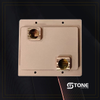
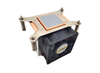
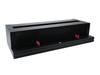
In the fields of high-performance computing, gaming, and content creation, AMD CPUs have become the preferred choice for many users due to their exceptional multi-core performance and cost-effectiveness. However, as CPU performance continues to improve, cooling issues have become increasingly prominent. Selecting the right AMD CPU SP6 liquid cooling plate can significantly enhance cooling efficiency, ensure stable CPU operation, and unleash its full potential.
Compared to traditional air coolers, liquid cooling offers the following advantages:
Higher Cooling Efficiency: Liquid cooling systems rapidly dissipate CPU heat through liquid circulation, far surpassing the efficiency of air cooling.
Quieter Operation: Liquid cooling systems operate more quietly, providing a more peaceful user experience.
Sleeker Aesthetics: Many liquid coolers come equipped with RGB lighting, allowing you to create a personalized PC setup.
When selecting an AMD CPU SP6 liquid cooling plate, consider the following factors:
Cooling Performance: This is the most critical factor. Choose a liquid cooling plate with strong cooling capabilities to effectively lower CPU temperatures. Pay attention to parameters such as the cooling fin area, pump performance, and fan airflow.
Compatibility: Ensure the liquid cooling plate is compatible with your AMD CPU SP6 socket and PC case. Different models of liquid cooling plates may support different CPU sockets and case sizes.
Noise Level: Opt for a quiet liquid cooling plate to enhance your user experience. Consider parameters such as fan noise and pump noise.
Brand and After-Sales Service: Choose reputable brands to ensure product quality and reliable after-sales support. Well-known brands typically have more mature technology and comprehensive service systems.
Budget: Liquid cooling plates vary significantly in price, so choose a model that fits your budget.
Nvidia Al GPU Liquid Cooling Server 3000W GPU liquid cooling cold plates for AI servers are becoming essential as AI […]
What Is Additive Manufacturing Achieves Lightweight Cold? Additive Manufacturing Achieves Lightweight Cold is a high-performance thermal management solution engineered by […]
This comprehensive guide covers things to know before solutions for industrial and OEM applications. ToneCooling provides expert insights on things […]
Efficient thermal management is crucial for electric vehicle (EV) batteries and power electronics. Cold plates play a key role in […]
This comprehensive guide covers how additive manufacturing improves solutions for industrial and OEM applications. ToneCooling provides expert insights on how […]
This comprehensive guide covers tone cooling dual channel solutions for industrial and OEM applications. ToneCooling provides expert insights on tone […]
What Is Transient Liquid Phase Tlp Bonding? Definition and basic process — Transient liquid phase TLP bonding is a joining […]
Bionic Blood Vessel Structure High is a high-performance thermal management solution engineered by ToneCooling for demanding applications. A bionic blood […]
In the fields of high-performance computing, gaming, and content creation, AMD CPUs have become the preferred choice for many users due to their exceptional multi-core performance and cost-effectiveness. However, as CPU performance continues to improve, cooling issues have become increasingly prominent. Selecting the right AMD CPU SP6 liquid cooling plate can significantly enhance cooling efficiency, ensure stable CPU operation, and unleash its full potential.
Compared to traditional air coolers, liquid cooling offers the following advantages:
- Higher Cooling Efficiency: Liquid cooling systems rapidly dissipate CPU heat through liquid circulation, far surpassing the efficiency of air cooling.
- Quieter Operation: Liquid cooling systems operate more quietly, providing a more peaceful user experience.
- Sleeker Aesthetics: Many liquid coolers come equipped with RGB lighting, allowing you to create a personalized PC setup.
When selecting an AMD CPU SP6 liquid cooling plate, consider the following factors:
- Cooling Performance: This is the most critical factor. Choose a liquid cooling plate with strong cooling capabilities to effectively lower CPU temperatures. Pay attention to parameters such as the cooling fin area, pump performance, and fan airflow.
- Compatibility: Ensure the liquid cooling plate is compatible with your AMD CPU SP6 socket and PC case. Different models of liquid cooling plates may support different CPU sockets and case sizes.
- Noise Level: Opt for a quiet liquid cooling plate to enhance your user experience. Consider parameters such as fan noise and pump noise.
- Brand and After-Sales Service: Choose reputable brands to ensure product quality and reliable after-sales support. Well-known brands typically have more mature technology and comprehensive service systems.
- Budget: Liquid cooling plates vary significantly in price, so choose a model that fits your budget.
Nvidia Al GPU Liquid Cooling Server 3000W GPU liquid cooling cold plates for AI servers are becoming essential as AI […]
What Is Additive Manufacturing Achieves Lightweight Cold? Additive Manufacturing Achieves Lightweight Cold is a high-performance thermal management solution engineered by […]
This comprehensive guide covers things to know before solutions for industrial and OEM applications. ToneCooling provides expert insights on things […]
Efficient thermal management is crucial for electric vehicle (EV) batteries and power electronics. Cold plates play a key role in […]
This comprehensive guide covers how additive manufacturing improves solutions for industrial and OEM applications. ToneCooling provides expert insights on how […]
This comprehensive guide covers tone cooling dual channel solutions for industrial and OEM applications. ToneCooling provides expert insights on tone […]
What Is Transient Liquid Phase Tlp Bonding? Definition and basic process — Transient liquid phase TLP bonding is a joining […]
Bionic Blood Vessel Structure High is a high-performance thermal management solution engineered by ToneCooling for demanding applications. A bionic blood […]