Samsung Electro-Mechanics HDI(High Density Interconnection)

Description
High-density interconnection (HDI) substrates have high-density circuits that make it possible for electronic parts mounted on a PCB to send and recieve electrical signals between themselves. The products are used for mounting the main parts of mobile devices and transmitting their signals. General Features Improves the performance of products because of high integration Makes it easier to automate the assembly of PCBs Reduces total costs Application Note PC(Cellular Phone, Tablet, DSC, Game Consol) IC Module, Main Board Why Samsung The products allow transmission of signals at high speeds by making PCBs smaller and shortening the signal path. Features SAVIA is a product that has stack vias formed in all layers. Stack vias are formed through fill plating and have superb performance in terms of transmission and reflection than staggered vias. Slim PCB Stiffness is enhanced by using thin materials with high coefficient of elasticity. Electric signal characteristics are excellent as materials of low permitivity are used. High Stiffness Stiffness is increased by applying materials with high coefficient of elasticity, and thereby improving the quality of partsmounting through the enhanced flex characteristics of slim PCBs (60 ㎛ CCL, 40/50 ㎛ Prepreg). Impedance Matching Electric signal characteristics are excellent as microcircuits and materials of low Dk (low permitivity) are applied. UHD(Ultra High Density) PCB UHD PCBs can be made in a high-density design, thanks to microcircuits and microholes. Design Rule 0.35 ㎜P 1Trace (Via/Land : 70/200 ㎛, L/S : 50/50 ㎛) 0.4 ㎜P 2Trace (Via/Land : 70/180 ㎛, L/S : 40/40 ㎛) 0.3 ㎜P (Via/Land : 70/150 ㎛, L/S : 30/30 ㎛) Core Tech Registration Alignment 75㎛ → 65 ㎛ → 55 ㎛ → 50 ㎛ → 40 ㎛ Ultra High Density PCB Forming Technology Cavity Type Cavity PCBs have step differences in the areas where components are mounted. They allow a reduction in the overall thickness even if a thick component is mounted. There are two types of cavity: the non-component type which cannot mount component inside the cavity. and the component type which can mount components due to the formation of Sralc Pad. Non Component Type Reducing thickness of specific area High Volume Manufacturing Depth : ~ 400 ㎛ Application Wearable Device Component Type Reduce the thickness of an assembled device ※ HDI desing rules remain the same (0.4 Pitch) Under Developing Depth : ~ 250 ㎛ Application - Smart Phone - Tablet PC / Note PC Pad type Realizes SMD PAD and NSMD PAD adsizes are created based on each pitch according to the mounting methods and the needs of customers - SMD : Solder Mask Defined - NSMD : Non Solder Mask Defined Technology - Able to form solder resister in the BGA Pad section - Various materials such as PSR ink, Coverlay, Prepreg and others are used to form the register Key Core Technologies Owns HDI/BGA/FCBGA technologies and develops leading technologies through convergence and integration of technologies. Quality 1) FE-SEM (Field Emission-Scanning Electron Microscope) 2) EDS(Energy Dispersive X-ray Spectroscopy) 3) FT-IR (Fourier Transform-Infra Red Spectrometer) 4) TMA (Thermo Mechanical Analyzer) 5) IMS ( Ion Milling System) 6) TXP (Target X Preparation) 7) FIB (Focused Ion Beam)
Description
High-density interconnection (HDI) substrates have high-density circuits that make it possible for electronic parts mounted on a PCB to send and recieve electrical signals between themselves. The products are used for mounting the main parts of mobile devices and transmitting their signals. General Features Improves the performance of products because of high integration Makes it easier to automate the assembly of PCBs Reduces total costs Application Note PC(Cellular Phone, Tablet, DSC, Game Consol) IC Module, Main Board Why Samsung The products allow transmission of signals at high speeds by making PCBs smaller and shortening the signal path. Features SAVIA is a product that has stack vias formed in all layers. Stack vias are formed through fill plating and have superb performance in terms of transmission and reflection than staggered vias. Slim PCB Stiffness is enhanced by using thin materials with high coefficient of elasticity. Electric signal characteristics are excellent as materials of low permitivity are used. High Stiffness Stiffness is increased by applying materials with high coefficient of elasticity, and thereby improving the quality of partsmounting through the enhanced flex characteristics of slim PCBs (60 ㎛ CCL, 40/50 ㎛ Prepreg). Impedance Matching Electric signal characteristics are excellent as microcircuits and materials of low Dk (low permitivity) are applied. UHD(Ultra High Density) PCB UHD PCBs can be made in a high-density design, thanks to microcircuits and microholes. Design Rule 0.35 ㎜P 1Trace (Via/Land : 70/200 ㎛, L/S : 50/50 ㎛) 0.4 ㎜P 2Trace (Via/Land : 70/180 ㎛, L/S : 40/40 ㎛) 0.3 ㎜P (Via/Land : 70/150 ㎛, L/S : 30/30 ㎛) Core Tech Registration Alignment 75㎛ → 65 ㎛ → 55 ㎛ → 50 ㎛ → 40 ㎛ Ultra High Density PCB Forming Technology Cavity Type Cavity PCBs have step differences in the areas where components are mounted. They allow a reduction in the overall thickness even if a thick component is mounted. There are two types of cavity: the non-component type which cannot mount component inside the cavity. and the component type which can mount components due to the formation of Sralc Pad. Non Component Type Reducing thickness of specific area High Volume Manufacturing Depth : ~ 400 ㎛ Application Wearable Device Component Type Reduce the thickness of an assembled device ※ HDI desing rules remain the same (0.4 Pitch) Under Developing Depth : ~ 250 ㎛ Application - Smart Phone - Tablet PC / Note PC Pad type Realizes SMD PAD and NSMD PAD adsizes are created based on each pitch according to the mounting methods and the needs of customers - SMD : Solder Mask Defined - NSMD : Non Solder Mask Defined Technology - Able to form solder resister in the BGA Pad section - Various materials such as PSR ink, Coverlay, Prepreg and others are used to form the register Key Core Technologies Owns HDI/BGA/FCBGA technologies and develops leading technologies through convergence and integration of technologies. Quality 1) FE-SEM (Field Emission-Scanning Electron Microscope) 2) EDS(Energy Dispersive X-ray Spectroscopy) 3) FT-IR (Fourier Transform-Infra Red Spectrometer) 4) TMA (Thermo Mechanical Analyzer) 5) IMS ( Ion Milling System) 6) TXP (Target X Preparation) 7) FIB (Focused Ion Beam)

Suppliers

Company
Product
Description
Supplier Links
HDI(High Density Interconnection) -  - Samsung Electro-Mechanics
Paldal-gu Suwon-si, Gyeonggi-do, Korea
HDI(High Density Interconnection)
High-density interconnection (HDI) substrates have high-density circuits that make it possible for electronic parts mounted on a PCB to send and recieve electrical signals between themselves. The products are used for mounting the main parts of mobile devices and transmitting their signals. General Features Improves the performance of products because of high integration Makes it easier to automate the assembly of PCBs Reduces total costs Application Note PC(Cellular Phone, Tablet, DSC, Game Consol) IC Module, Main Board Why Samsung The products allow transmission of signals at high speeds by making PCBs smaller and shortening the signal path. Features SAVIA is a product that has stack vias formed in all layers. Stack vias are formed through fill plating and have superb performance in terms of transmission and reflection than staggered vias. Slim PCB Stiffness is enhanced by using thin materials with high coefficient of elasticity. Electric signal characteristics are excellent as materials of low permitivity are used. High Stiffness Stiffness is increased by applying materials with high coefficient of elasticity, and thereby improving the quality of partsmounting through the enhanced flex characteristics of slim PCBs (60 ㎛ CCL, 40/50 ㎛ Prepreg). Impedance Matching Electric signal characteristics are excellent as microcircuits and materials of low Dk (low permitivity) are applied. UHD(Ultra High Density) PCB UHD PCBs can be made in a high-density design, thanks to microcircuits and microholes. Design Rule 0.35 ㎜P 1Trace (Via/Land : 70/200 ㎛, L/S : 50/50 ㎛) 0.4 ㎜P 2Trace (Via/Land : 70/180 ㎛, L/S : 40/40 ㎛) 0.3 ㎜P (Via/Land : 70/150 ㎛, L/S : 30/30 ㎛) Core Tech Registration Alignment 75㎛ → 65 ㎛ → 55 ㎛ → 50 ㎛ → 40 ㎛ Ultra High Density PCB Forming Technology Cavity Type Cavity PCBs have step differences in the areas where components are mounted. They allow a reduction in the overall thickness even if a thick component is mounted. There are two types of cavity: the non-component type which cannot mount component inside the cavity. and the component type which can mount components due to the formation of Sralc Pad. Non Component Type Reducing thickness of specific area High Volume Manufacturing Depth : ~ 400 ㎛ Application Wearable Device Component Type Reduce the thickness of an assembled device ※ HDI desing rules remain the same (0.4 Pitch) Under Developing Depth : ~ 250 ㎛ Application - Smart Phone - Tablet PC / Note PC Pad type Realizes SMD PAD and NSMD PAD adsizes are created based on each pitch according to the mounting methods and the needs of customers - SMD : Solder Mask Defined - NSMD : Non Solder Mask Defined Technology - Able to form solder resister in the BGA Pad section - Various materials such as PSR ink, Coverlay, Prepreg and others are used to form the register Key Core Technologies Owns HDI/BGA/FCBGA technologies and develops leading technologies through convergence and integration of technologies. Quality 1) FE-SEM (Field Emission-Scanning Electron Microscope) 2) EDS(Energy Dispersive X-ray Spectroscopy) 3) FT-IR (Fourier Transform-Infra Red Spectrometer) 4) TMA (Thermo Mechanical Analyzer) 5) IMS ( Ion Milling System) 6) TXP (Target X Preparation) 7) FIB (Focused Ion Beam)

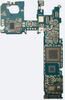
High-density interconnection (HDI) substrates have high-density circuits that make it possible for electronic parts mounted on a PCB to send and recieve electrical signals between themselves.

The products are used for mounting the main parts of mobile devices and transmitting their signals.

General Features

  • Improves the performance of products because of high integration
  • Makes it easier to automate the assembly of PCBs
  • Reduces total costs

Application

  • Note PC(Cellular Phone, Tablet, DSC, Game Consol)
  • IC Module, Main Board

Why Samsung

The products allow transmission of signals at high speeds by making PCBs smaller and shortening the signal path.

Features

SAVIA is a product that has stack vias formed in all layers. Stack vias are formed through fill plating and have superb performance in terms of transmission and reflection than staggered vias.

Slim PCB

Stiffness is enhanced by using thin materials with high coefficient of elasticity. Electric signal characteristics are excellent as materials of low permitivity are used.

High Stiffness

Stiffness is increased by applying materials with high coefficient of elasticity, and thereby improving the quality of partsmounting through the enhanced flex characteristics of slim PCBs (60 ㎛ CCL, 40/50 ㎛ Prepreg).

Impedance Matching

Electric signal characteristics are excellent as microcircuits and materials of low Dk (low permitivity) are applied.

UHD(Ultra High Density) PCB

UHD PCBs can be made in a high-density design, thanks to microcircuits and microholes.

Design Rule

  • 0.35 ㎜P 1Trace (Via/Land : 70/200 ㎛, L/S : 50/50 ㎛)
  • 0.4 ㎜P 2Trace (Via/Land : 70/180 ㎛, L/S : 40/40 ㎛)
  • 0.3 ㎜P (Via/Land : 70/150 ㎛, L/S : 30/30 ㎛)

Core Tech

  • Registration Alignment 75㎛ → 65 ㎛ → 55 ㎛ → 50 ㎛ → 40 ㎛

Ultra High Density PCB Forming Technology

Cavity Type

Cavity PCBs have step differences in the areas where components are mounted. They allow a reduction in the overall thickness even if a thick component is mounted.

There are two types of cavity: the non-component type which cannot mount component inside the cavity. and the component type which can mount components due to the formation of Sralc Pad.

Non Component Type

Reducing thickness of specific area

  • High Volume Manufacturing
  • Depth : ~ 400 ㎛
  • Application
    Wearable Device

Component Type

Reduce the thickness of an assembled device
※ HDI desing rules remain the same (0.4 Pitch)

  • Under Developing
  • Depth : ~ 250 ㎛
  • Application
    - Smart Phone
    - Tablet PC / Note PC

Pad type

Realizes SMD PAD and NSMD PAD

adsizes are created based on each pitch according to the mounting methods and the needs of customers
- SMD : Solder Mask Defined
- NSMD : Non Solder Mask Defined

Technology

- Able to form solder resister in the BGA Pad section
- Various materials such as PSR ink, Coverlay, Prepreg and others are used to form the register

Key Core Technologies

Owns HDI/BGA/FCBGA technologies and develops leading technologies through convergence and integration of technologies.

Quality

1) FE-SEM (Field Emission-Scanning Electron Microscope) 2) EDS(Energy Dispersive X-ray Spectroscopy)
3) FT-IR (Fourier Transform-Infra Red Spectrometer) 4) TMA (Thermo Mechanical Analyzer) 5) IMS ( Ion Milling System)
6) TXP (Target X Preparation) 7) FIB (Focused Ion Beam)
Supplier's Site

Technical Specifications

  Samsung Electro-Mechanics
Product Category IC Interconnect Components
Product Name HDI(High Density Interconnection)
Unlock Full Specs
to access all available technical data

Similar Products

D-Sub Standard Board Mount - D15S23A4GV00LF - Amphenol Communications Solutions
Amphenol Communications Solutions
Specs
Product Type IC Socket
Mounting Solder
View Details
Array High Speed Test - DaVinci Micro Test Socket: Impedance Controlled Coaxial Solution for High Speed Test -  - Molex Signal Tech Industrial Ltd.
Specs
Product Type IC Socket
Socket Type BGA; LGA; QFNL; Test
View Details
PCB Headers & Receptacles - 064002-E - TE Connectivity
Specs
Mounting Through-Hole; Board Mount
Current Rating 1.6 amps
Dielectric Withstanding Voltage 0.5000 kilovolts
View Details
SD Card PCB Mount Socket -  - Rego Electronics Inc.
Rego Electronics Inc.
Specs
Product Type IC Socket
Socket Type SD Card
Mounting Through-Hole
View Details