Gelest, Inc. VINYLTRI-n-BUTYLTIN SNV9100

Description
Additional Properties Hydrolytic Sensitivity 1: no significant reaction with aqueous systems Application Reviewed.1 Intermediate for vinyllithium by exchange with phenyllithium.2 With CO forms divinyl ketones on reaction with vinyl iodides.3 Reacts with IC6H4CHO in DMF with PdCl2(CH3CN)2 to yield CH2=CHC6H4CHO.4 Reacts with halopyrimidines to yield vinylpyrimidines.5 Employed in one-pot synthesis of pyrroles.6 Reference 1. Scott, W. J.; Moretto, A. F. in Encyclopedia of Reagents for Organic Synthesis 1995, Volume 8, 5503-5506. 2. Seyferth, D. et al. J. Am. Chem. Soc. 1961, 83, 3583. 3. Goure, W. et al. F&F: Vol. 12, p 45; J. Am. Chem. Soc. 1984, 106, 6417. 4. Bumagin, N. Chem. Abstr. 111, 214179; Metal Org. Chem. 1989, 2, 475. 5. Kondo, Y. et al. Chem. Pharm. Bull. 1989, 37, 2814. 6. Nakamura, M. et al. Org. Lett. 1999, 1, 1505. Safety Packaging Under Nitrogen Organotin Cross-Coupling Agent The cross-coupling reaction is a highly useful methodology for the formation of carbon-carbon bonds. It involves two reagents, with one typically being a suitable organometallic reagent - the nucleophile - and the other a suitable organic substrate, normally an unsaturated halide, tosylate or similar - the electrophile. Vinyltri-n-butyltin; Tributylethenylstann ane; Tributylvinylstannan e Copolymerization parameters - e,Q: 0.800, 0.024 Stille Coupling vinylation reagent Intermediate for vinyllithium by exchange with phenyllithium With CO forms divinyl ketones on reaction with vinyl iodides Reacts with IC6H4CHO in DMF with PdCl2(CH3CN)2 to yield CH2=CHC6H4CHO Reacts with halopyrimidines to yield vinylpyrimidines Employed in one-pot synthesis of pyrroles Extensive review of silicon based cross-coupling agents: Denmark, S. E. et al. "Organic Reactions, Volume 75" Denmark, S. E. ed., John Wiley and Sons, 233, 2011
Datasheet
Description
Additional Properties Hydrolytic Sensitivity 1: no significant reaction with aqueous systems Application Reviewed.1 Intermediate for vinyllithium by exchange with phenyllithium.2 With CO forms divinyl ketones on reaction with vinyl iodides.3 Reacts with IC6H4CHO in DMF with PdCl2(CH3CN)2 to yield CH2=CHC6H4CHO.4 Reacts with halopyrimidines to yield vinylpyrimidines.5 Employed in one-pot synthesis of pyrroles.6 Reference 1. Scott, W. J.; Moretto, A. F. in Encyclopedia of Reagents for Organic Synthesis 1995, Volume 8, 5503-5506. 2. Seyferth, D. et al. J. Am. Chem. Soc. 1961, 83, 3583. 3. Goure, W. et al. F&F: Vol. 12, p 45; J. Am. Chem. Soc. 1984, 106, 6417. 4. Bumagin, N. Chem. Abstr. 111, 214179; Metal Org. Chem. 1989, 2, 475. 5. Kondo, Y. et al. Chem. Pharm. Bull. 1989, 37, 2814. 6. Nakamura, M. et al. Org. Lett. 1999, 1, 1505. Safety Packaging Under Nitrogen Organotin Cross-Coupling Agent The cross-coupling reaction is a highly useful methodology for the formation of carbon-carbon bonds. It involves two reagents, with one typically being a suitable organometallic reagent - the nucleophile - and the other a suitable organic substrate, normally an unsaturated halide, tosylate or similar - the electrophile. Vinyltri-n-butyltin; Tributylethenylstann ane; Tributylvinylstannan e Copolymerization parameters - e,Q: 0.800, 0.024 Stille Coupling vinylation reagent Intermediate for vinyllithium by exchange with phenyllithium With CO forms divinyl ketones on reaction with vinyl iodides Reacts with IC6H4CHO in DMF with PdCl2(CH3CN)2 to yield CH2=CHC6H4CHO Reacts with halopyrimidines to yield vinylpyrimidines Employed in one-pot synthesis of pyrroles Extensive review of silicon based cross-coupling agents: Denmark, S. E. et al. "Organic Reactions, Volume 75" Denmark, S. E. ed., John Wiley and Sons, 233, 2011
Datasheet

Suppliers

Company
Product
Description
Supplier Links
VINYLTRI-n-BUTYLTIN - SNV9100 - Gelest, Inc.
Morrisville, PA, United States
VINYLTRI-n-BUTYLTIN
SNV9100
VINYLTRI-n-BUTYLTIN SNV9100
Additional Properties Hydrolytic Sensitivity 1: no significant reaction with aqueous systems Application Reviewed.1 Intermediate for vinyllithium by exchange with phenyllithium.2 With CO forms divinyl ketones on reaction with vinyl iodides.3 Reacts with IC6H4CHO in DMF with PdCl2(CH3CN)2 to yield CH2=CHC6H4CHO.4 Reacts with halopyrimidines to yield vinylpyrimidines.5 Employed in one-pot synthesis of pyrroles.6 Reference 1. Scott, W. J.; Moretto, A. F. in Encyclopedia of Reagents for Organic Synthesis 1995, Volume 8, 5503-5506. 2. Seyferth, D. et al. J. Am. Chem. Soc. 1961, 83, 3583. 3. Goure, W. et al. F&F: Vol. 12, p 45; J. Am. Chem. Soc. 1984, 106, 6417. 4. Bumagin, N. Chem. Abstr. 111, 214179; Metal Org. Chem. 1989, 2, 475. 5. Kondo, Y. et al. Chem. Pharm. Bull. 1989, 37, 2814. 6. Nakamura, M. et al. Org. Lett. 1999, 1, 1505. Safety Packaging Under Nitrogen Organotin Cross-Coupling Agent The cross-coupling reaction is a highly useful methodology for the formation of carbon-carbon bonds. It involves two reagents, with one typically being a suitable organometallic reagent - the nucleophile - and the other a suitable organic substrate, normally an unsaturated halide, tosylate or similar - the electrophile. Vinyltri-n-butyltin; Tributylethenylstann ane; Tributylvinylstannan e Copolymerization parameters - e,Q: 0.800, 0.024 Stille Coupling vinylation reagent Intermediate for vinyllithium by exchange with phenyllithium With CO forms divinyl ketones on reaction with vinyl iodides Reacts with IC6H4CHO in DMF with PdCl2(CH3CN)2 to yield CH2=CHC6H4CHO Reacts with halopyrimidines to yield vinylpyrimidines Employed in one-pot synthesis of pyrroles Extensive review of silicon based cross-coupling agents: Denmark, S. E. et al. "Organic Reactions, Volume 75" Denmark, S. E. ed., John Wiley and Sons, 233, 2011

Additional Properties


  • Hydrolytic Sensitivity 1: no significant reaction with aqueous systems
    Application
    Reviewed.1 Intermediate for vinyllithium by exchange with phenyllithium.2 With CO forms divinyl ketones on reaction with vinyl iodides.3 Reacts with IC6H4CHO in DMF with PdCl2(CH3CN)2 to yield CH2=CHC6H4CHO.4 Reacts with halopyrimidines to yield vinylpyrimidines.5 Employed in one-pot synthesis of pyrroles.6
    Reference
    1. Scott, W. J.; Moretto, A. F. in Encyclopedia of Reagents for Organic Synthesis 1995, Volume 8, 5503-5506. 2. Seyferth, D. et al. J. Am. Chem. Soc. 1961, 83, 3583. 3. Goure, W. et al. F&F: Vol. 12, p 45; J. Am. Chem. Soc. 1984, 106, 6417. 4. Bumagin, N. Chem. Abstr. 111, 214179; Metal Org. Chem. 1989, 2, 475. 5. Kondo, Y. et al. Chem. Pharm. Bull. 1989, 37, 2814. 6. Nakamura, M. et al. Org. Lett. 1999, 1, 1505.
    Safety
  • Packaging Under Nitrogen
    Organotin Cross-Coupling Agent
    The cross-coupling reaction is a highly useful methodology for the formation of carbon-carbon bonds. It involves two reagents, with one typically being a suitable organometallic reagent - the nucleophile - and the other a suitable organic substrate, normally an unsaturated halide, tosylate or similar - the electrophile.
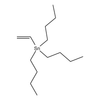
    Vinyltri-n-butyltin; Tributylethenylstannane; Tributylvinylstannane
  • Copolymerization parameters - e,Q: 0.800, 0.024
  • Stille Coupling vinylation reagent
  • Intermediate for vinyllithium by exchange with phenyllithium
  • With CO forms divinyl ketones on reaction with vinyl iodides
  • Reacts with IC6H4CHO in DMF with PdCl2(CH3CN)2 to yield CH2=CHC6H4CHO
  • Reacts with halopyrimidines to yield vinylpyrimidines
  • Employed in one-pot synthesis of pyrroles
  • Extensive review of silicon based cross-coupling agents: Denmark, S. E. et al. "Organic Reactions, Volume 75" Denmark, S. E. ed., John Wiley and Sons, 233, 2011
Supplier's Site Datasheet

Technical Specifications

  Gelest, Inc.
Product Category Inorganic Chemicals and Compounds
Product Number SNV9100
Product Name VINYLTRI-n-BUTYLTIN
Type OrganoMetallics
Unlock Full Specs
to access all available technical data

Similar Products

pH Buffer 7.00 - 238896 - Hamilton Company
Hamilton Company
Specs
Type Other; Buffer
State of Matter Liquids
Volume 262 gallons (990 liters)
View Details
Nitronium hexafluorophosphate - 001035 - Matrix Scientific
Specs
Chemical Name Nitronium hexafluorophosphate
Chemical Formula F6NO2P
CAS Number 19200-21-6
View Details
Inorganic Compounds - Indium Sulfide - Indium Corporation
Specs
Chemical Name Indium Sulfide
Chemical Formula In2S3
State of Matter Powders
View Details