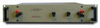
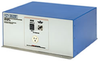
Com-Power Corporation LISN LI-215A

Description
The LI-215A is a new LISN from Com-Power. A line impedance stabilization network (LISN) device is something engineers use to test radiofrequency (RF) emission and susceptibility. During an electronic equipment test, engineers place the LISN device between an alternating current or direct current power source and the equipment under test. Additional Features: Frequency range: 9 kHz or 0.009 MHz - 30 MHz Inductor uH: 250 and 50 Current Rating Amps: 15 EMI Test Specification: CISPR, EN Coils matched to application Air core coils Individually calibrated The LISNs are intended for EMI conducted emissions testing. The Com-Power LI-215A was designed to test products according to FCC Part 15, EN and CISPR standards.The model LI-215A contains two networks enclosed in single RF shielded enclosure for single phase power configuration. Power to the LISN can be supplied by either AC or DC power source. The LISN model Com-Power LI-215A is placed between the power source and EUT to stabilize line impedance, provide a 50 ohm RF connection, and block unwanted RF noise from the external power source. The Com-Power LI-215A uses air coils in the current path in order to avoid saturation due to high current. This model can handle up to 15 A. The bottom of the LISNs are unpainted for grounding purposes. This model has a standard US socket on the front panel for EUT connection. The measurement port has a N type connector. The front panel also has a line selection switch for testing each line separately. Com-Power recommends using a optional LIT-930 transient limiter to protect the spectrum analyzer or receiver input. These LISN are calibrated to meet the CISPR 16-1-2, 2006, edition 1.2 and ANSI C63.4, 2009 requirements. The test data will supplied with each LISN.
Datasheet
Description
The LI-215A is a new LISN from Com-Power. A line impedance stabilization network (LISN) device is something engineers use to test radiofrequency (RF) emission and susceptibility. During an electronic equipment test, engineers place the LISN device between an alternating current or direct current power source and the equipment under test. Additional Features: Frequency range: 9 kHz or 0.009 MHz - 30 MHz Inductor uH: 250 and 50 Current Rating Amps: 15 EMI Test Specification: CISPR, EN Coils matched to application Air core coils Individually calibrated The LISNs are intended for EMI conducted emissions testing. The Com-Power LI-215A was designed to test products according to FCC Part 15, EN and CISPR standards.The model LI-215A contains two networks enclosed in single RF shielded enclosure for single phase power configuration. Power to the LISN can be supplied by either AC or DC power source. The LISN model Com-Power LI-215A is placed between the power source and EUT to stabilize line impedance, provide a 50 ohm RF connection, and block unwanted RF noise from the external power source. The Com-Power LI-215A uses air coils in the current path in order to avoid saturation due to high current. This model can handle up to 15 A. The bottom of the LISNs are unpainted for grounding purposes. This model has a standard US socket on the front panel for EUT connection. The measurement port has a N type connector. The front panel also has a line selection switch for testing each line separately. Com-Power recommends using a optional LIT-930 transient limiter to protect the spectrum analyzer or receiver input. These LISN are calibrated to meet the CISPR 16-1-2, 2006, edition 1.2 and ANSI C63.4, 2009 requirements. The test data will supplied with each LISN.
Datasheet

Suppliers

Company
Product
Description
Supplier Links
The LI-215A is a new LISN from Com-Power. A line impedance stabilization network (LISN) device is something engineers use to test radiofrequency (RF) emission and susceptibility. During an electronic equipment test, engineers place the LISN device between an alternating current or direct current power source and the equipment under test. Additional Features: Frequency range: 9 kHz or 0.009 MHz - 30 MHz Inductor uH: 250 and 50 Current Rating Amps: 15 EMI Test Specification: CISPR, EN Coils matched to application Air core coils Individually calibrated The LISNs are intended for EMI conducted emissions testing. The Com-Power LI-215A was designed to test products according to FCC Part 15, EN and CISPR standards.The model LI-215A contains two networks enclosed in single RF shielded enclosure for single phase power configuration. Power to the LISN can be supplied by either AC or DC power source. The LISN model Com-Power LI-215A is placed between the power source and EUT to stabilize line impedance, provide a 50 ohm RF connection, and block unwanted RF noise from the external power source. The Com-Power LI-215A uses air coils in the current path in order to avoid saturation due to high current. This model can handle up to 15 A. The bottom of the LISNs are unpainted for grounding purposes. This model has a standard US socket on the front panel for EUT connection. The measurement port has a N type connector. The front panel also has a line selection switch for testing each line separately. Com-Power recommends using a optional LIT-930 transient limiter to protect the spectrum analyzer or receiver input. These LISN are calibrated to meet the CISPR 16-1-2, 2006, edition 1.2 and ANSI C63.4, 2009 requirements. The test data will supplied with each LISN.

The LI-215A is a new LISN from Com-Power. A line impedance stabilization network (LISN) device is something engineers use to test radiofrequency (RF) emission and susceptibility. During an electronic equipment test, engineers place the LISN device between an alternating current or direct current power source and the equipment under test.

Additional Features:

  • Frequency range: 9 kHz or 0.009 MHz - 30 MHz
  • Inductor uH: 250 and 50
  • Current Rating Amps: 15
  • EMI Test Specification: CISPR, EN
  • Coils matched to application
  • Air core coils
  • Individually calibrated

The LISNs are intended for EMI conducted emissions testing. The Com-Power LI-215A was designed to test products according to FCC Part 15, EN and CISPR standards.The model LI-215A contains two networks enclosed in single RF shielded enclosure for single phase power configuration. Power to the LISN can be supplied by either AC or DC power source.

The LISN model Com-Power LI-215A is placed between the power source and EUT to stabilize line impedance, provide a 50 ohm RF connection, and block unwanted RF noise from the external power source. The Com-Power LI-215A uses air coils in the current path in order to avoid saturation due to high current. This model can handle up to 15 A. The bottom of the LISNs are unpainted for grounding purposes.

This model has a standard US socket on the front panel for EUT connection. The measurement port has a N type connector. The front panel also has a line selection switch for testing each line separately.

Com-Power recommends using a optional LIT-930 transient limiter to protect the spectrum analyzer or receiver input.

These LISN are calibrated to meet the CISPR 16-1-2, 2006, edition 1.2 and ANSI C63.4, 2009 requirements. The test data will supplied with each LISN.
Supplier's Site Datasheet

Technical Specifications

  ValueTronics International, Inc.
Product Category Impedance Matching Networks
Product Number LI-215A
Product Name LISN
Frequency 30 MHz
Unlock Full Specs
to access all available technical data

Similar Products

Navigator® II Digital Matching Network -  - Advanced Energy Industries, Inc.
Advanced Energy Industries, Inc.
Specs
Modes of Operation Automatic
Cooling Forced Air
Frequency 13.56 to 60 MHz
View Details
Match Pro Impedance Matching Networks - CPMX3000 - Comdel, Inc.
Specs
Modes of Operation Manual; Automatic
Cooling Forced Air (optional feature); Water Cooling (optional feature)
View Details
Reference Impedance Network - ES4152/ES4153 - Wayne Kerr Electronics
Specs
Phase Single Phase; Three Phase (optional feature)
View Details
Impedance Matching Transformer - Model MT56R - Krohn-Hite Corporation
Specs
Modes of Operation Manual
Frequency 3.00E-5 to 5 MHz
Power 75 watts
View Details