ATS Automation Helium Leak Testing

Description
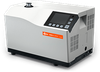
Helium Leak Testers are used to measure fine leaks. Helium is utilized as the test medium along with a detector to sense any presence of the gas. Presence of the gas in a known concentration equates to a leak value. A concentration of helium is typically filled in the cavity of the Device Under Test (DUT). The amount of helium which escapes through the DUT is sensed by means of a helium detector. The following techniques are deployed for cycle time improvement: Dual stage vacuum to evacuate the Device Under Test and the test chamber prior to filling with Helium resulting in improved cycle times. Measurement of pressure differential between the helium pressurized Device Under Test and the test chamber under vacuum
Datasheet
Description
Helium Leak Testers are used to measure fine leaks. Helium is utilized as the test medium along with a detector to sense any presence of the gas. Presence of the gas in a known concentration equates to a leak value. A concentration of helium is typically filled in the cavity of the Device Under Test (DUT). The amount of helium which escapes through the DUT is sensed by means of a helium detector. The following techniques are deployed for cycle time improvement: Dual stage vacuum to evacuate the Device Under Test and the test chamber prior to filling with Helium resulting in improved cycle times. Measurement of pressure differential between the helium pressurized Device Under Test and the test chamber under vacuum
Datasheet

Suppliers

Company
Product
Description
Supplier Links
Helium Leak Testing -  - ATS Automation
Cambridge, Ontario, Canada
Helium Leak Testing
Helium Leak Testing
Helium Leak Testers are used to measure fine leaks. Helium is utilized as the test medium along with a detector to sense any presence of the gas. Presence of the gas in a known concentration equates to a leak value. A concentration of helium is typically filled in the cavity of the Device Under Test (DUT). The amount of helium which escapes through the DUT is sensed by means of a helium detector. The following techniques are deployed for cycle time improvement: Dual stage vacuum to evacuate the Device Under Test and the test chamber prior to filling with Helium resulting in improved cycle times. Measurement of pressure differential between the helium pressurized Device Under Test and the test chamber under vacuum

Helium Leak Testers are used to measure fine leaks.

Helium is utilized as the test medium along with a detector to sense any presence of the gas. Presence of the gas in a known concentration equates to a leak value.

A concentration of helium is typically filled in the cavity of the Device Under Test (DUT). The amount of helium which escapes through the DUT is sensed by means of a helium detector.

The following techniques are deployed for cycle time improvement:

  • Dual stage vacuum to evacuate the Device Under Test and the test chamber prior to filling with Helium resulting in improved cycle times.
  • Measurement of pressure differential between the helium pressurized Device Under Test and the test chamber under vacuum
Supplier's Site Datasheet

Technical Specifications

  ATS Automation
Product Category Leak Testing Equipment
Product Name Helium Leak Testing
Leak Test Method Mass Spectrometer (Helium Leak Detector)
Unlock Full Specs
to access all available technical data

Similar Products

Module for Leak Test with Differential Method on Automated System - TM3PD - Marposs Corp
Specs
Computer Interface Options Serial Interface
View Details
Fluorescent Leak Detection Kit - LEAKTRACKER - HydraCheck Inc.
Specs
Leak Test Method UV LED Used For Detection
View Details
Ultrasonic Gas Leak Detector - Observer-i - MSA Safety
Specs
Leak Test Method Electronic Gas Detection; Hydrogen Leak Detection; Ultrasonic Leak Detector
Output Options Analog Current
Local Interface Computer Interface
View Details
Cygnus Hatch Sure for Ships -  - Cygnus Instruments Limited
Cygnus Instruments Limited
Specs
Leak Test Method Ultrasonic Leak Detector
Output Options Frequency or Modulated Frequency Output
Operating Temp -4 to 122 F (-20 to 50 C)
View Details