Automated Dynamics Thermoplastic AFP

Description
Thermoplastic Composites Thermoplastics are melt-processable plastics. When a thermoplastic polymer is heated above its melt point, the plastic softens enough to be consolidated. When the heat source is removed and the temperature drops below the plastic’s melt point, it freezes, or solidifies. This process can be repeated, allowing parts to be created one layer at a time. Complex geometries can be formed with thermoplastics without the need for secondary processing, such as curing in an autoclave. Why Use Thermoplastic Composites? Compared with traditional metal materials, neat (unreinforced) plastics, and even thermoset composites, fiber-reinforced thermoplastic composites: Have dramatically superior strength-to-weight capabilities Offer lighter, less brittle, tougher parts Possess greater fatigue properties Provide greater resistance to corrosive chemicals, water absorption and heat Utilize Out-of-Autoclave (OoA) processing that drastically reduces cycle times and energy consumption As an additive layering process, the use of thermoplastic composites can trim significant time and expense during design, prototyping, and manufacturing. Thermoplastics are recyclable and repairable, which cuts down on waste, and their ability to bond to differing materials enables the creation of hybrid structures. Our Proprietary Thermoplastic Process Our in-situ and pre-forming thermoplastic processes utilize continuous-fiber tapes to take advantage of our Fiber Placement technologies. The tape sizes can vary depending on the needs of the application with widths reaching as wide as two inches (50.80 mm), but we consider this to be narrow for Tape Laying purposes. Our ability to use several small tapes allows for the creation of complex shapes through an additive manufacturing process. Automated Dynamics builds multi-0.250-inch (6.35 mm) tape head systems for both in-situ consolidation and pre-forming applications. We have both single cut and individual tow control capabilities. Our machines are custom-built for your needs and feature modular head technologies, modular sub-assemblies for convenience of cleaning and change-out, and are supported by our easy-to-use software. Further details of the specific processes and advantages can be viewed by visiting our Resources section. We have Articles, FAQ’s, and Technical Papers available through request.
Description
Thermoplastic Composites Thermoplastics are melt-processable plastics. When a thermoplastic polymer is heated above its melt point, the plastic softens enough to be consolidated. When the heat source is removed and the temperature drops below the plastic’s melt point, it freezes, or solidifies. This process can be repeated, allowing parts to be created one layer at a time. Complex geometries can be formed with thermoplastics without the need for secondary processing, such as curing in an autoclave. Why Use Thermoplastic Composites? Compared with traditional metal materials, neat (unreinforced) plastics, and even thermoset composites, fiber-reinforced thermoplastic composites: Have dramatically superior strength-to-weight capabilities Offer lighter, less brittle, tougher parts Possess greater fatigue properties Provide greater resistance to corrosive chemicals, water absorption and heat Utilize Out-of-Autoclave (OoA) processing that drastically reduces cycle times and energy consumption As an additive layering process, the use of thermoplastic composites can trim significant time and expense during design, prototyping, and manufacturing. Thermoplastics are recyclable and repairable, which cuts down on waste, and their ability to bond to differing materials enables the creation of hybrid structures. Our Proprietary Thermoplastic Process Our in-situ and pre-forming thermoplastic processes utilize continuous-fiber tapes to take advantage of our Fiber Placement technologies. The tape sizes can vary depending on the needs of the application with widths reaching as wide as two inches (50.80 mm), but we consider this to be narrow for Tape Laying purposes. Our ability to use several small tapes allows for the creation of complex shapes through an additive manufacturing process. Automated Dynamics builds multi-0.250-inch (6.35 mm) tape head systems for both in-situ consolidation and pre-forming applications. We have both single cut and individual tow control capabilities. Our machines are custom-built for your needs and feature modular head technologies, modular sub-assemblies for convenience of cleaning and change-out, and are supported by our easy-to-use software. Further details of the specific processes and advantages can be viewed by visiting our Resources section. We have Articles, FAQ’s, and Technical Papers available through request.

Suppliers

Company
Product
Description
Supplier Links
Thermoplastic AFP -  - Automated Dynamics
Niskayuna, NY, United States
Thermoplastic AFP
Thermoplastic AFP
Thermoplastic Composites Thermoplastics are melt-processable plastics. When a thermoplastic polymer is heated above its melt point, the plastic softens enough to be consolidated. When the heat source is removed and the temperature drops below the plastic’s melt point, it freezes, or solidifies. This process can be repeated, allowing parts to be created one layer at a time. Complex geometries can be formed with thermoplastics without the need for secondary processing, such as curing in an autoclave. Why Use Thermoplastic Composites? Compared with traditional metal materials, neat (unreinforced) plastics, and even thermoset composites, fiber-reinforced thermoplastic composites: Have dramatically superior strength-to-weight capabilities Offer lighter, less brittle, tougher parts Possess greater fatigue properties Provide greater resistance to corrosive chemicals, water absorption and heat Utilize Out-of-Autoclave (OoA) processing that drastically reduces cycle times and energy consumption As an additive layering process, the use of thermoplastic composites can trim significant time and expense during design, prototyping, and manufacturing. Thermoplastics are recyclable and repairable, which cuts down on waste, and their ability to bond to differing materials enables the creation of hybrid structures. Our Proprietary Thermoplastic Process Our in-situ and pre-forming thermoplastic processes utilize continuous-fiber tapes to take advantage of our Fiber Placement technologies. The tape sizes can vary depending on the needs of the application with widths reaching as wide as two inches (50.80 mm), but we consider this to be narrow for Tape Laying purposes. Our ability to use several small tapes allows for the creation of complex shapes through an additive manufacturing process. Automated Dynamics builds multi-0.250-inch (6.35 mm) tape head systems for both in-situ consolidation and pre-forming applications. We have both single cut and individual tow control capabilities. Our machines are custom-built for your needs and feature modular head technologies, modular sub-assemblies for convenience of cleaning and change-out, and are supported by our easy-to-use software. Further details of the specific processes and advantages can be viewed by visiting our Resources section. We have Articles, FAQ’s, and Technical Papers available through request.

Thermoplastic Composites

Thermoplastics are melt-processable plastics. When a thermoplastic polymer is heated above its melt point, the plastic softens enough to be consolidated. When the heat source is removed and the temperature drops below the plastic’s melt point, it freezes, or solidifies. This process can be repeated, allowing parts to be created one layer at a time. Complex geometries can be formed with thermoplastics without the need for secondary processing, such as curing in an autoclave.

Why Use Thermoplastic Composites?

Compared with traditional metal materials, neat (unreinforced) plastics, and even thermoset composites, fiber-reinforced thermoplastic composites:

  • Have dramatically superior strength-to-weight capabilities
  • Offer lighter, less brittle, tougher parts
  • Possess greater fatigue properties
  • Provide greater resistance to corrosive chemicals, water absorption and heat
  • Utilize Out-of-Autoclave (OoA) processing that drastically reduces cycle times and energy consumption

As an additive layering process, the use of thermoplastic composites can trim significant time and expense during design, prototyping, and manufacturing. Thermoplastics are recyclable and repairable, which cuts down on waste, and their ability to bond to differing materials enables the creation of hybrid structures.

Our Proprietary Thermoplastic Process

Our in-situ and pre-forming thermoplastic processes utilize continuous-fiber tapes to take advantage of our Fiber Placement technologies. The tape sizes can vary depending on the needs of the application with widths reaching as wide as two inches (50.80 mm), but we consider this to be narrow for Tape Laying purposes. Our ability to use several small tapes allows for the creation of complex shapes through an additive manufacturing process.

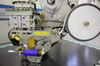
Automated Dynamics builds multi-0.250-inch (6.35 mm) tape head systems for both in-situ consolidation and pre-forming applications. We have both single cut and individual tow control capabilities. Our machines are custom-built for your needs and feature modular head technologies, modular sub-assemblies for convenience of cleaning and change-out, and are supported by our easy-to-use software.

Further details of the specific processes and advantages can be viewed by visiting our Resources section. We have Articles, FAQ’s, and Technical Papers available through request.
Supplier's Site

Technical Specifications

  Automated Dynamics
Product Category Automated Tape Laying (ATL) and Automated Fiber Placement (AFP) Equipment
Product Name Thermoplastic AFP
Type Automated Fiber Placement
Unlock Full Specs
to access all available technical data

Similar Products

Automated Tape Laying Equipment -  - North Thin Ply Technology
North Thin Ply Technology
Specs
Type Automated Tape Laying
System Configuration Gantry Platform
Material Fabric Prepreg; Unidirectional Prepreg
View Details
Fiber Placement Machines - Coriolis C3 - Coriolis Composites
Specs
Type Automated Fiber Placement
System Configuration Gantry Platform
Material Fabric Prepreg; Thermoplastic; Thermoset
View Details
Tape Laying -  - Automated Dynamics
Automated Dynamics
Specs
Type Automated Tape Laying
System Configuration Robotic Platform
Material Fabric Prepreg; Unidirectional Prepreg
View Details
Automated Tape Laminator -  - Accudyne Systems, Inc.
Accudyne Systems, Inc.
Specs
Type Automated Tape Laying
System Configuration Gantry Platform
Material Thermoplastic; Thermoset
View Details