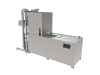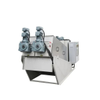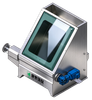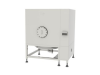

One tank configuration is specifically tailored for small - scale kitchen environments, such as those in family - owned restaurants, small cafes, or the kitchens of individual households. These kitchens typically generate a relatively limited amount of kitchen waste on a daily basis. With 1 - 2 feeding ports, this single - tank system serves as an efficient pre - storage solution. It allows kitchen staff to conveniently deposit food scraps, vegetable peels, and other organic waste directly into the tank. The compact size of the single - tank setup ensures it doesn't take up excessive space, making it ideal for kitchens where floor space is at a premium. On the other hand, a two - tank system is designed to meet the demands of large - scale kitchen operations, like those in luxury hotels, major food processing plants, or bustling commercial food courts. These large kitchens produce substantial volumes of waste continuously throughout the day. Equipped with 2 - 8 feeding ports, the two - tank arrangement provides ample capacity and flexibility. The key advantage lies in the alternating usage of the two tanks. While one tank is in the process of waste decomposition or undergoing maintenance, the other tank remains available for waste storage. This seamless alternation enables continuous feeding work at the feeding ports, ensuring that there is no interruption in the waste pre - storage process. It maximizes operational efficiency, allowing large kitchens to handle their waste management smoothly without any backlogs or delays.
| KINTEP NEW POWER | |
|---|---|
| Product Category | Wastewater Treatment Equipment |
| Product Name | Kitchen Waste Storage Tank |