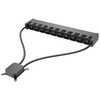
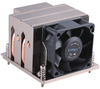
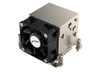
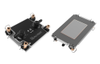
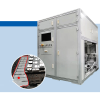
Adopt pure copper brazing process to ensure no leakage.
Water-block can be used as an ultra-thin structure for heat dissipation in some highly limited tight spaces.
The size of the radiator can be flexibly adjusted to meet various specifications of the server chassis; For example, 1U, 2U, 3U, 4U.
1.Cold End Pump Design: The pump is engineered to circulate coolant effectively, ensuring that heat is transferred away from critical components like CPUs and GPUs. This design maximizes cooling efficiency and reliability
2. Silent Operation: The system operates at low noise levels, making it suitable for environments where noise reduction is important, such as data centers and offices
3. Efficient Heat Dissipation: Advanced heat exchangers and cold plates are used to enhance heat transfer, keeping server components at optimal temperatures even under heavy loads
4. High Reliability: The system is built with robust materials and includes redundant pump systems to ensure continuous operation and minimize downtime
1. Data Centers: This cooling system is ideal for high-density data centers, where it helps manage the heat generated by servers, reducing energy consumption and improving overall efficiency
2. High-Performance Computing (HPC): In HPC environments, where powerful processors and GPUs generate significant heat, this cooling system ensures optimal temperatures, maintaining system stability and performance
3.Telecommunications
: As telecom infrastructure expands, maintaining the performance and longevity of critical equipment is crucial. This cooling solution helps manage the heat produced by high-performance telecom hardware
4. Edge Computing: For edge computing applications, where servers are deployed in remote or harsh environments, efficient cooling is essential to ensure reliable operation and prevent overheating
What Is Transient Liquid Phase Tlp Bonding? Definition and basic process — Transient liquid phase TLP bonding is a joining […]
Water cooling provides superior heat dissipation for processors. This method allows higher clock speeds and greater system stability. Users achieve […]
CPU cooling plays a critical role in system performance and stability. Builders today can choose from several methods, including air […]
This comprehensive guide covers how to determine if solutions for industrial and OEM applications. ToneCooling provides expert insights on how […]
What Is Liquid Cold Plate Brands High? This guide on Top 5 liquid cold provides key insights for engineers and […]
Effective thermal management is critical for electronics, automotive systems, medical devices, and industrial machinery. Excess heat can reduce performance, shorten […]
Data centers today face growing challenges in thermal management as high-performance servers, AI workloads, and dense storage systems generate unprecedented […]
As power density in modern electronics rises, heat management becomes one of the biggest challenges for engineers. Traditional cooling methods […]
- Adopt pure copper brazing process to ensure no leakage.
- Water-block can be used as an ultra-thin structure for heat dissipation in some highly limited tight spaces.
- The size of the radiator can be flexibly adjusted to meet various specifications of the server chassis; For example, 1U, 2U, 3U, 4U.
1.Cold End Pump Design: The pump is engineered to circulate coolant effectively, ensuring that heat is transferred away from critical components like CPUs and GPUs. This design maximizes cooling efficiency and reliability
2. Silent Operation: The system operates at low noise levels, making it suitable for environments where noise reduction is important, such as data centers and offices
3. Efficient Heat Dissipation: Advanced heat exchangers and cold plates are used to enhance heat transfer, keeping server components at optimal temperatures even under heavy loads
4. High Reliability: The system is built with robust materials and includes redundant pump systems to ensure continuous operation and minimize downtime
1. Data Centers: This cooling system is ideal for high-density data centers, where it helps manage the heat generated by servers, reducing energy consumption and improving overall efficiency
2. High-Performance Computing (HPC): In HPC environments, where powerful processors and GPUs generate significant heat, this cooling system ensures optimal temperatures, maintaining system stability and performance
3.Telecommunications: As telecom infrastructure expands, maintaining the performance and longevity of critical equipment is crucial. This cooling solution helps manage the heat produced by high-performance telecom hardware
4. Edge Computing: For edge computing applications, where servers are deployed in remote or harsh environments, efficient cooling is essential to ensure reliable operation and prevent overheating
What Is Transient Liquid Phase Tlp Bonding? Definition and basic process — Transient liquid phase TLP bonding is a joining […]
Water cooling provides superior heat dissipation for processors. This method allows higher clock speeds and greater system stability. Users achieve […]
CPU cooling plays a critical role in system performance and stability. Builders today can choose from several methods, including air […]
This comprehensive guide covers how to determine if solutions for industrial and OEM applications. ToneCooling provides expert insights on how […]
What Is Liquid Cold Plate Brands High? This guide on Top 5 liquid cold provides key insights for engineers and […]
Effective thermal management is critical for electronics, automotive systems, medical devices, and industrial machinery. Excess heat can reduce performance, shorten […]
Data centers today face growing challenges in thermal management as high-performance servers, AI workloads, and dense storage systems generate unprecedented […]
As power density in modern electronics rises, heat management becomes one of the biggest challenges for engineers. Traditional cooling methods […]