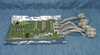
The 16522A is a Pattern Generator from Agilent. A pattern signal generator, or pattern generator, is a type of electronic test equipment engineers use to detect and generate waveforms from a device. An engineer can program a central pattern generator to make a particular digital signal during a test. There are several channels, or outputs, to choose from on a pattern generator. Additional Features:
Vectors up to 200 bits wide
Synchronized Clock Output
Wait for input pattern
Initialize block for Repetitive Runs
Macros and Repeat Loops Simplify Creation of Stimulus Programs
ASCII Input File Format
The Agilent 16522A pattern generator allows you to check the functional characteristics of your system. See how your system responds to unanticipated signals or clock speeds. Correlate data captured with other Agilent HP logic analysis system modules to verify correct operation. Use the Agilent 16522A pattern generator module in automated test environments to run design qualification tests quickly, using only one instrument. Save time normally spent developing custom test hardware used for stimulus.
The 16522A is a Pattern Generator from Agilent. A pattern signal generator, or pattern generator, is a type of electronic test equipment engineers use to detect and generate waveforms from a device. An engineer can program a central pattern generator to make a particular digital signal during a test. There are several channels, or outputs, to choose from on a pattern generator.
Additional Features:
- Vectors up to 200 bits wide
- Synchronized Clock Output
- Wait for input pattern
- Initialize block for Repetitive Runs
- Macros and Repeat Loops Simplify Creation of Stimulus Programs
- ASCII Input File Format
The Agilent 16522A pattern generator allows you to check the functional characteristics of your system. See how your system responds to unanticipated signals or clock speeds. Correlate data captured with other Agilent HP logic analysis system modules to verify correct operation. Use the Agilent 16522A pattern generator module in automated test environments to run design qualification tests quickly, using only one instrument. Save time normally spent developing custom test hardware used for stimulus.