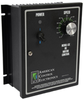
The PWL series adds to the versatility of our PWM offering by adding field voltage outputs for shunt-wound motors. With on-board selector switches, this series can easily be setup to accept 115 VAC or 230 VAC power. This full featured series comes with on-board fusing and cage clamp terminals to make installation simple and quick. Available in an open chassis style or NEMA 4X for applications that require protection from moisture. The almost pure DC output of the PWL series allows motors to run more efficiently and at lower speeds while achieving full torque than with the use of SCR type drives. With a wide selection of models that can run motors from 1/20 HP all the way up to 3 HP, you’re sure to find a drive that will satisfy your needs.
Features
NEMA 1 Encolsure
Field Supply
Inhibit (Normally Open)
LEDs: Current Limit, Power
Power Light on Case
Technical Data
1.05 Form Factor
1% Base Speed Regulation
100:1 Speed Range
Trim Pots
Maximum Speed
Minimum Speed
Acceleration
Deceleration
Current Limit
IR Compensation
The PWL series adds to the versatility of our PWM offering by adding field voltage outputs for shunt-wound motors. With on-board selector switches, this series can easily be setup to accept 115 VAC or 230 VAC power. This full featured series comes with on-board fusing and cage clamp terminals to make installation simple and quick. Available in an open chassis style or NEMA 4X for applications that require protection from moisture. The almost pure DC output of the PWL series allows motors to run more efficiently and at lower speeds while achieving full torque than with the use of SCR type drives. With a wide selection of models that can run motors from 1/20 HP all the way up to 3 HP, you’re sure to find a drive that will satisfy your needs.
Features
- NEMA 1 Encolsure
- Field Supply
- Inhibit (Normally Open)
- LEDs: Current Limit, Power
- Power Light on Case
Technical Data
- 1.05 Form Factor
- 1% Base Speed Regulation
- 100:1 Speed Range
Trim Pots
- Maximum Speed
- Minimum Speed
- Acceleration
- Deceleration
- Current Limit
- IR Compensation