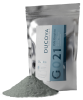
Techsil Limited BJB UV-100 Ultra Violet Polyurethane Additive 1lb BJPU14665

Description
Ultra Violet (UV) light from the sun, and to a lesser extent some indoor lighting, can degrade many polyurethane systems over time. Color change and surface break down are the most notable effects. UV-100 works to slow down the degrading effects of UV light on two-component, castable polyurethane systems. While UV 100 has shown to delay the degradation process, it is not going to stop it completely. Results will ultimately vary depending on duration and intensity of exposure. UV-100 is typically added to BJB's flexible, rigid and semi-rigid products at a loading of up to 1% of the total parts A & B weight. Exceeding 1% may affect the cured physical properties of the system.
Datasheet
Description
Ultra Violet (UV) light from the sun, and to a lesser extent some indoor lighting, can degrade many polyurethane systems over time. Color change and surface break down are the most notable effects. UV-100 works to slow down the degrading effects of UV light on two-component, castable polyurethane systems. While UV 100 has shown to delay the degradation process, it is not going to stop it completely. Results will ultimately vary depending on duration and intensity of exposure. UV-100 is typically added to BJB's flexible, rigid and semi-rigid products at a loading of up to 1% of the total parts A & B weight. Exceeding 1% may affect the cured physical properties of the system.
Datasheet

Suppliers

Company
Product
Description
Supplier Links
BJB UV-100 Ultra Violet Polyurethane Additive 1lb - BJPU14665 - Techsil Limited
Bidford on Avon, United Kingdom
BJB UV-100 Ultra Violet Polyurethane Additive 1lb
BJPU14665
BJB UV-100 Ultra Violet Polyurethane Additive 1lb BJPU14665
Ultra Violet (UV) light from the sun, and to a lesser extent some indoor lighting, can degrade many polyurethane systems over time. Color change and surface break down are the most notable effects. UV-100 works to slow down the degrading effects of UV light on two-component, castable polyurethane systems. While UV 100 has shown to delay the degradation process, it is not going to stop it completely. Results will ultimately vary depending on duration and intensity of exposure. UV-100 is typically added to BJB's flexible, rigid and semi-rigid products at a loading of up to 1% of the total parts A & B weight. Exceeding 1% may affect the cured physical properties of the system.

Ultra Violet (UV) light from the sun, and to a lesser extent some indoor lighting, can degrade many polyurethane systems over time. Color change and surface break down are the most notable effects. UV-100 works to slow down the degrading effects of UV light on two-component, castable polyurethane systems. While UV 100 has shown to delay the degradation process, it is not going to stop it completely. Results will ultimately vary depending on duration and intensity of exposure. UV-100 is typically added to BJB's flexible, rigid and semi-rigid products at a loading of up to 1% of the total parts A & B weight. Exceeding 1% may affect the cured physical properties of the system.

Supplier's Site Datasheet

Technical Specifications

  Techsil Limited
Product Category Resins and Compounds
Product Number BJPU14665
Product Name BJB UV-100 Ultra Violet Polyurethane Additive 1lb
Chemical System Polyurethane
Unlock Full Specs
to access all available technical data

Similar Products

Exact™ Plastomer Resins for Film Packaging - Exact™ 4006 - ExxonMobil - Polyethylene Products
Specs
Type Thermoplastic
Melt Flow 10.00 g / 10 minutes
View Details
Fluon+ ™ Filled PTFE Compounds - FC 182 - AGC Chemicals Americas, Inc.
AGC Chemicals Americas, Inc.
Specs
Type Thermoplastic
Form / Shape Pellets
Chemical System Fluoropolymer
View Details
Rigid and Castable Absorbers -  - Dexmet® Corporation, a part of PPG’s engineered materials division
Dexmet® Corporation, a part of PPG’s engineered materials division
Specs
Type Thermally cured
Chemical System Epoxy; Silicone
Features EMI / RFI Shielding Material
View Details
Borated Polyethylene Shielding -  - MarShield
Specs
Industry Nuclear
Deflection Temperature 116 F (46.67 C)
CTE 110 µin/in-F (198 µm/m-C)
View Details