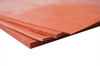
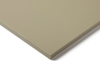
Surface Armor LLC Surface Protection Film

Description
General Surfaces Surface Armor protective film has a seemingly endless array of uses. If you need to protect hardwood floors, vinyl, MDF, wood veneer, circuit boards or almost any kind of surface, there is a good chance that we have a surface protection film that will fit the bill. There are many different reasons why you may need surface protection film. Surfaces can be damaged during: Dry-walling Sanding Sawing Polishing Painting Assembly Shipping Handling Storage Installation Protective film can help you keep your products or flooring looking like new, maintaining their value and saving you money on repairs or replacements. Types of Surface Protection Film Choosing the right protective film for your particular surface and application is important. If your surface material is not listed on this page – or on our pages for metal, plastic, glass, laminate or stone surfaces – that does not necessarily mean that we do not have a film that will work for your application. If you have a surface to protect and are not certain what type of film is needed, we would be happy to send you a range of free samples to test. Protective films are classified based on their adhesive type, tack and material. Adhesive type – This is the product identification number of the adhesive used to attach the protective film to the surface. Tack – Measured in ounces per lateral inch, this defines the amount of adhesive used and the resulting “stickiness” of the protective film. Because there are many variables at play, the tack level of most adhesives will be expressed as a range of values rather than a single, specific measurement. Film/Paper – This indicates the type of plastic or paper that the film is made of.
Description
General Surfaces Surface Armor protective film has a seemingly endless array of uses. If you need to protect hardwood floors, vinyl, MDF, wood veneer, circuit boards or almost any kind of surface, there is a good chance that we have a surface protection film that will fit the bill. There are many different reasons why you may need surface protection film. Surfaces can be damaged during: Dry-walling Sanding Sawing Polishing Painting Assembly Shipping Handling Storage Installation Protective film can help you keep your products or flooring looking like new, maintaining their value and saving you money on repairs or replacements. Types of Surface Protection Film Choosing the right protective film for your particular surface and application is important. If your surface material is not listed on this page – or on our pages for metal, plastic, glass, laminate or stone surfaces – that does not necessarily mean that we do not have a film that will work for your application. If you have a surface to protect and are not certain what type of film is needed, we would be happy to send you a range of free samples to test. Protective films are classified based on their adhesive type, tack and material. Adhesive type – This is the product identification number of the adhesive used to attach the protective film to the surface. Tack – Measured in ounces per lateral inch, this defines the amount of adhesive used and the resulting “stickiness” of the protective film. Because there are many variables at play, the tack level of most adhesives will be expressed as a range of values rather than a single, specific measurement. Film/Paper – This indicates the type of plastic or paper that the film is made of.

Suppliers

Company
Product
Description
Supplier Links
Surface Protection Film -  - Surface Armor LLC
Rockwall, TX, USA
Surface Protection Film
General Surfaces Surface Armor protective film has a seemingly endless array of uses. If you need to protect hardwood floors, vinyl, MDF, wood veneer, circuit boards or almost any kind of surface, there is a good chance that we have a surface protection film that will fit the bill. There are many different reasons why you may need surface protection film. Surfaces can be damaged during: Dry-walling Sanding Sawing Polishing Painting Assembly Shipping Handling Storage Installation Protective film can help you keep your products or flooring looking like new, maintaining their value and saving you money on repairs or replacements. Types of Surface Protection Film Choosing the right protective film for your particular surface and application is important. If your surface material is not listed on this page – or on our pages for metal, plastic, glass, laminate or stone surfaces – that does not necessarily mean that we do not have a film that will work for your application. If you have a surface to protect and are not certain what type of film is needed, we would be happy to send you a range of free samples to test. Protective films are classified based on their adhesive type, tack and material. Adhesive type – This is the product identification number of the adhesive used to attach the protective film to the surface. Tack – Measured in ounces per lateral inch, this defines the amount of adhesive used and the resulting “stickiness” of the protective film. Because there are many variables at play, the tack level of most adhesives will be expressed as a range of values rather than a single, specific measurement. Film/Paper – This indicates the type of plastic or paper that the film is made of.

General Surfaces

Surface Armor protective film has a seemingly endless array of uses. If you need to protect hardwood floors, vinyl, MDF, wood veneer, circuit boards or almost any kind of surface, there is a good chance that we have a surface protection film that will fit the bill.

There are many different reasons why you may need surface protection film. Surfaces can be damaged during:

  • Dry-walling
  • Sanding
  • Sawing
  • Polishing
  • Painting
  • Assembly
  • Shipping
  • Handling
  • Storage
  • Installation

Protective film can help you keep your products or flooring looking like new, maintaining their value and saving you money on repairs or replacements.

Types of Surface Protection Film

Choosing the right protective film for your particular surface and application is important. If your surface material is not listed on this page – or on our pages for metal, plastic, glass, laminate or stone surfaces – that does not necessarily mean that we do not have a film that will work for your application. If you have a surface to protect and are not certain what type of film is needed, we would be happy to send you a range of free samples to test.

Protective films are classified based on their adhesive type, tack and material.

Adhesive type – This is the product identification number of the adhesive used to attach the protective film to the surface.

Tack – Measured in ounces per lateral inch, this defines the amount of adhesive used and the resulting “stickiness” of the protective film. Because there are many variables at play, the tack level of most adhesives will be expressed as a range of values rather than a single, specific measurement.

Film/Paper – This indicates the type of plastic or paper that the film is made of.

Supplier's Site

Technical Specifications

  Surface Armor LLC
Product Category Fabricated Plastic Parts and Semi-Finished Shapes
Product Name Surface Protection Film
Form / Shape Sheet or Film
Unlock Full Specs
to access all available technical data

Similar Products

Rings -  - Shenzhen Dechengwang Technology Co., Ltd
Shenzhen Dechengwang Technology Co., Ltd
Specs
Chemical System Fluoropolymer; PEEK
Filler Carbon or Graphite (optional feature); Glass or FRP (optional feature); Metal or MIM (optional feature); Aramid (optional feature)
Material Type BioMedical (optional feature)
View Details
End plate - 279-349 - WAGO
Specs
Form / Shape Plate
Thickness 1 inch (25.4 mm)
Width / O.D. 0.0787 inch (2 mm)
View Details
PTFE pipe fittings -  - Jinshiling (Heyuan) Technology Co., Ltd.
Jinshiling (Heyuan) Technology Co., Ltd.
Specs
Chemical System Fluoropolymer
Industry Sanitary; Chemical Processing,Pharmaceutical & Biotechnology,Food & Beverage Industry
Use Temperature -328 to 500 F (-200 to 260 C)
View Details
Fence Privacy - Feather Lock -  - Pexco
Specs
Form / Shape Hollow or Tubular Stock; Bar Stock or Rod Stock; Profile or Structural Shape
Chemical System Polyethylene; HDPE
Width / O.D. 1.5 to 1.66 inch (38.1 to 42.06 mm)
View Details