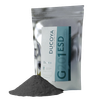
Polyplastics USA, Inc. DURACON® POM TR-20 CF2001 (ISO)

Description
POM is an acronym for the chemical name polyoxymethylene. It is generally referred to as polyacetal or acetal resin. It is a crystalline thermoplastic resin comprised chiefly of (-CH2O-) structural units. The two types of POM are homopolymer, which is comprised of a polyoxymethylene molecular chain made from formaldehyde bonds, and copolymer, in which trioxane, the trimer of formaldehyde, and other comonomers are bonded. DURACON is a representative type of copolymer, and it plays an active role in applications centered on mechanical components such as gears, screws, and bearings. Examples of its use can be found in AV equipment such as VCRs, CD/DVD/MD players, Headphone stereos, OA equipment such as printers, keyboards, and CD-ROM drives, home electrical appliances such as washing machines and dryers, and auto parts such as seat belt mechanical components, outer door mirrors, door mirrors, and engine room components, as well as precision components used in such products as cameras and watches, construction materials, toys such as game machines, and stationery. [ Homopolymer and copolymer ] As mentioned previously, POM can be either a homopolymer or a copolymer. The homopolymer is formed solely from carbon-oxygen bonds in the main chain, while the copolymer also includes carbon-carbon bonds in the main chain. The properties and functions of homopolymers and copolymers differ on account of the differences in molecular structure. 1. The thermal stability of the copolymer is superior to that of the homopolymer. 1) Accordingly, color changes and gas emissions during molding are lower because degradation is smaller, and a wider temperature window can be adopted for molding. 2) Resistance to hot water, alkalis and oils at elevated temperatures is excellent. 2. The chemical structure of the copolymer results in a slightly lower crystallization rate compared with the homopolymer. 1) Accordingly, while strength and stiffness are somewhat lower, flexibility is excellent. 2) In addition, while the melting point and heat deflection temperature are approximately 10 deg C lower, there is no difference in the practical heat resistance temperature. Characteristics The material retains well balanced mechanical properties over extended use and a wide temperature range. These properties include tensile strength, elongation, and impact strength. Superior creep resistance is exhibited over a wide temperature range for extended periods under load. Exceptional fatigue resistance is possessed. No fatigue is exhibited in use under repetitive stress and continuous vibration, and stable performance is maintained. High elastic modulus and superior elastic recovery are exhibited, in addition to creep and fatigue resistance, making the material the material of choice by far for springs. Amongst thermoplastics, the material has the most exceptional friction and wear properties, and exhibits superior tribological properties over extended use. In addition, it is self-lubricating, and used widely in non-lubricated components. Besides having superior short-term thermal properties such as melting point and DTUL, unrivalled long-term durability is exhibited in hot air and hot water environments. Dimensional variance as a result of water absorption is minimal, and for all intents and purposes does not present a problem. Other than acids and chemicals with a strong oxidizing effect, excellent durability with regards to inorganic chemicals and oils is shown. Possessing superior flowability and beautiful surface gloss, the material has excellent processability. A variety of value-added processes are possible, including insert molding, outsert molding, cutting work, bonding, and printing.
Description
POM is an acronym for the chemical name polyoxymethylene. It is generally referred to as polyacetal or acetal resin. It is a crystalline thermoplastic resin comprised chiefly of (-CH2O-) structural units. The two types of POM are homopolymer, which is comprised of a polyoxymethylene molecular chain made from formaldehyde bonds, and copolymer, in which trioxane, the trimer of formaldehyde, and other comonomers are bonded. DURACON is a representative type of copolymer, and it plays an active role in applications centered on mechanical components such as gears, screws, and bearings. Examples of its use can be found in AV equipment such as VCRs, CD/DVD/MD players, Headphone stereos, OA equipment such as printers, keyboards, and CD-ROM drives, home electrical appliances such as washing machines and dryers, and auto parts such as seat belt mechanical components, outer door mirrors, door mirrors, and engine room components, as well as precision components used in such products as cameras and watches, construction materials, toys such as game machines, and stationery. [ Homopolymer and copolymer ] As mentioned previously, POM can be either a homopolymer or a copolymer. The homopolymer is formed solely from carbon-oxygen bonds in the main chain, while the copolymer also includes carbon-carbon bonds in the main chain. The properties and functions of homopolymers and copolymers differ on account of the differences in molecular structure. 1. The thermal stability of the copolymer is superior to that of the homopolymer. 1) Accordingly, color changes and gas emissions during molding are lower because degradation is smaller, and a wider temperature window can be adopted for molding. 2) Resistance to hot water, alkalis and oils at elevated temperatures is excellent. 2. The chemical structure of the copolymer results in a slightly lower crystallization rate compared with the homopolymer. 1) Accordingly, while strength and stiffness are somewhat lower, flexibility is excellent. 2) In addition, while the melting point and heat deflection temperature are approximately 10 deg C lower, there is no difference in the practical heat resistance temperature. Characteristics The material retains well balanced mechanical properties over extended use and a wide temperature range. These properties include tensile strength, elongation, and impact strength. Superior creep resistance is exhibited over a wide temperature range for extended periods under load. Exceptional fatigue resistance is possessed. No fatigue is exhibited in use under repetitive stress and continuous vibration, and stable performance is maintained. High elastic modulus and superior elastic recovery are exhibited, in addition to creep and fatigue resistance, making the material the material of choice by far for springs. Amongst thermoplastics, the material has the most exceptional friction and wear properties, and exhibits superior tribological properties over extended use. In addition, it is self-lubricating, and used widely in non-lubricated components. Besides having superior short-term thermal properties such as melting point and DTUL, unrivalled long-term durability is exhibited in hot air and hot water environments. Dimensional variance as a result of water absorption is minimal, and for all intents and purposes does not present a problem. Other than acids and chemicals with a strong oxidizing effect, excellent durability with regards to inorganic chemicals and oils is shown. Possessing superior flowability and beautiful surface gloss, the material has excellent processability. A variety of value-added processes are possible, including insert molding, outsert molding, cutting work, bonding, and printing.
Datasheet
Datasheet Summary
Powered by GS/AI

DURACON® POM TR-20 CF2001 (ISO) is a mineral-reinforced polyoxymethylene (POM) that exhibits high rigidity and low warpage. It has a density of 1.53 g/cm³ and a moisture absorption rate of 0.5% after 24 hours of immersion at 23°C. The material demonstrates a melt flow rate (MFR) of 21 g/10min at 190°C and a melt volume rate (MVR) of 16 cm³/10min under the same conditions. Mechanical properties include a tensile strength of 59 MPa, elongation at break of 5.0%, and a flexural strength of 96 MPa. The material also has a heat deflection temperature of 125°C under a load of 1.8 MPa.

In terms of thermal expansion, the coefficient is 8 x 10?5/°C in both flow and perpendicular directions. The electrical properties include an insulation breakdown strength of 21 kV/mm and a volume resistivity of 2 x 10¹4 O·cm. The material is rated HB for flammability according to UL94 standards. It exhibits low shrinkage rates of 1.7% in the flow direction and 1.6% in the perpendicular direction during molding.

DURACON® POM TR-20 CF2001 (ISO) is suitable for applications requiring high mechanical performance, dimensional stability, and resistance to wear and fatigue, making it a viable choice for various engineering applications.

Datasheet Summary
Powered by GS/AI

DURACON® POM TR-20 CF2001 (ISO) is a mineral-reinforced polyoxymethylene (POM) that exhibits high rigidity and low warpage. It has a density of 1.53 g/cm³ and a moisture absorption rate of 0.5% after 24 hours of immersion at 23°C. The material demonstrates a melt flow rate (MFR) of 21 g/10min at 190°C and a melt volume rate (MVR) of 16 cm³/10min under the same conditions. Mechanical properties include a tensile strength of 59 MPa, elongation at break of 5.0%, and a flexural strength of 96 MPa. The material also has a heat deflection temperature of 125°C under a load of 1.8 MPa.

In terms of thermal expansion, the coefficient is 8 x 10?5/°C in both flow and perpendicular directions. The electrical properties include an insulation breakdown strength of 21 kV/mm and a volume resistivity of 2 x 10¹4 O·cm. The material is rated HB for flammability according to UL94 standards. It exhibits low shrinkage rates of 1.7% in the flow direction and 1.6% in the perpendicular direction during molding.

DURACON® POM TR-20 CF2001 (ISO) is suitable for applications requiring high mechanical performance, dimensional stability, and resistance to wear and fatigue, making it a viable choice for various engineering applications.

Suppliers

Company
Product
Description
Supplier Links
DURACON® POM TR-20 CF2001 (ISO)
POM is an acronym for the chemical name polyoxymethylene. It is generally referred to as polyacetal or acetal resin. It is a crystalline thermoplastic resin comprised chiefly of (-CH2O-) structural units. The two types of POM are homopolymer, which is comprised of a polyoxymethylene molecular chain made from formaldehyde bonds, and copolymer, in which trioxane, the trimer of formaldehyde, and other comonomers are bonded. DURACON is a representative type of copolymer, and it plays an active role in applications centered on mechanical components such as gears, screws, and bearings. Examples of its use can be found in AV equipment such as VCRs, CD/DVD/MD players, Headphone stereos, OA equipment such as printers, keyboards, and CD-ROM drives, home electrical appliances such as washing machines and dryers, and auto parts such as seat belt mechanical components, outer door mirrors, door mirrors, and engine room components, as well as precision components used in such products as cameras and watches, construction materials, toys such as game machines, and stationery. [ Homopolymer and copolymer ] As mentioned previously, POM can be either a homopolymer or a copolymer. The homopolymer is formed solely from carbon-oxygen bonds in the main chain, while the copolymer also includes carbon-carbon bonds in the main chain. The properties and functions of homopolymers and copolymers differ on account of the differences in molecular structure. 1. The thermal stability of the copolymer is superior to that of the homopolymer. 1) Accordingly, color changes and gas emissions during molding are lower because degradation is smaller, and a wider temperature window can be adopted for molding. 2) Resistance to hot water, alkalis and oils at elevated temperatures is excellent. 2. The chemical structure of the copolymer results in a slightly lower crystallization rate compared with the homopolymer. 1) Accordingly, while strength and stiffness are somewhat lower, flexibility is excellent. 2) In addition, while the melting point and heat deflection temperature are approximately 10 deg C lower, there is no difference in the practical heat resistance temperature. Characteristics The material retains well balanced mechanical properties over extended use and a wide temperature range. These properties include tensile strength, elongation, and impact strength. Superior creep resistance is exhibited over a wide temperature range for extended periods under load. Exceptional fatigue resistance is possessed. No fatigue is exhibited in use under repetitive stress and continuous vibration, and stable performance is maintained. High elastic modulus and superior elastic recovery are exhibited, in addition to creep and fatigue resistance, making the material the material of choice by far for springs. Amongst thermoplastics, the material has the most exceptional friction and wear properties, and exhibits superior tribological properties over extended use. In addition, it is self-lubricating, and used widely in non-lubricated components. Besides having superior short-term thermal properties such as melting point and DTUL, unrivalled long-term durability is exhibited in hot air and hot water environments. Dimensional variance as a result of water absorption is minimal, and for all intents and purposes does not present a problem. Other than acids and chemicals with a strong oxidizing effect, excellent durability with regards to inorganic chemicals and oils is shown. Possessing superior flowability and beautiful surface gloss, the material has excellent processability. A variety of value-added processes are possible, including insert molding, outsert molding, cutting work, bonding, and printing.

POM is an acronym for the chemical name polyoxymethylene. It is generally referred to as polyacetal or acetal resin. It is a crystalline thermoplastic resin comprised chiefly of (-CH2O-) structural units.

The two types of POM are homopolymer, which is comprised of a polyoxymethylene molecular chain made from formaldehyde bonds, and copolymer, in which trioxane, the trimer of formaldehyde, and other comonomers are bonded.

DURACON is a representative type of copolymer, and it plays an active role in applications centered on mechanical components such as gears, screws, and bearings.

Examples of its use can be found in AV equipment such as VCRs, CD/DVD/MD players, Headphone stereos, OA equipment such as printers, keyboards, and CD-ROM drives, home electrical appliances such as washing machines and dryers, and auto parts such as seat belt mechanical components, outer door mirrors, door mirrors, and engine room components, as well as precision components used in such products as cameras and watches, construction materials, toys such as game machines, and stationery.

[ Homopolymer and copolymer ]

As mentioned previously, POM can be either a homopolymer or a copolymer. The homopolymer is formed solely from carbon-oxygen bonds in the main chain, while the copolymer also includes carbon-carbon bonds in the main chain.

The properties and functions of homopolymers and copolymers differ on account of the differences in molecular structure.

1. The thermal stability of the copolymer is superior to that of the homopolymer.

1) Accordingly, color changes and gas emissions during molding are lower because degradation is smaller, and a wider temperature window can be adopted for molding.

2) Resistance to hot water, alkalis and oils at elevated temperatures is excellent.

2. The chemical structure of the copolymer results in a slightly lower crystallization rate compared with the homopolymer.

1) Accordingly, while strength and stiffness are somewhat lower, flexibility is excellent.

2) In addition, while the melting point and heat deflection temperature are approximately 10 deg C lower, there is no difference in the practical heat resistance temperature.

Characteristics

  • The material retains well balanced mechanical properties over extended use and a wide temperature range. These properties include tensile strength, elongation, and impact strength.
  • Superior creep resistance is exhibited over a wide temperature range for extended periods under load.
  • Exceptional fatigue resistance is possessed. No fatigue is exhibited in use under repetitive stress and continuous vibration, and stable performance is maintained.
  • High elastic modulus and superior elastic recovery are exhibited, in addition to creep and fatigue resistance, making the material the material of choice by far for springs.
  • Amongst thermoplastics, the material has the most exceptional friction and wear properties, and exhibits superior tribological properties over extended use. In addition, it is self-lubricating, and used widely in non-lubricated components.
  • Besides having superior short-term thermal properties such as melting point and DTUL, unrivalled long-term durability is exhibited in hot air and hot water environments.
  • Dimensional variance as a result of water absorption is minimal, and for all intents and purposes does not present a problem.
  • Other than acids and chemicals with a strong oxidizing effect, excellent durability with regards to inorganic chemicals and oils is shown.
  • Possessing superior flowability and beautiful surface gloss, the material has excellent processability.
  • A variety of value-added processes are possible, including insert molding, outsert molding, cutting work, bonding, and printing.
Supplier's Site Datasheet

Technical Specifications

  Polyplastics USA, Inc.
Product Category Polymers and Plastic Resins
Product Number TR-20 CF2001 (ISO)
Product Name DURACON® POM
Type MoldingCompound; Thermoplastic
Chemical System Acetal or Polyoxymethylene (POM)
Filler Unfilled
Deflection Temperature 257 F (125 C)
CTE 44 µin/in-F (80 µm/m-C)
Unlock Full Specs
to access all available technical data

Similar Products

Epoxy  Has Low Thermal Expansion Coefficient - EP30LTE-LO - Master Bond, Inc.
Specs
Type CastingResin; Optical; Thermally cured
Form / Shape Liquid
Chemical System Epoxy
View Details
Exact™ Plastomer Resins for Film Packaging - Exact™ 4151A Blown - ExxonMobil - Polyethylene Products
Specs
Type FilmGrade; Thermoplastic
Tensile (Break) 9900 psi (68259 KPa)
Elongation 520.0 %
View Details
ExxonMobil™ Polypropylene (PP), Impact copolymer resins - ExxonMobil™ AP3AW - ExxonMobil - Polypropylene Products
Specs
Type Thermoplastic
Chemical System Polypropylene
Industry Automotive; Electronics; Sanitary; OEM or Industrial
View Details
High Performance Polyimide Wire Enamels - ULTRATHERM - ELANTAS North America LLC
Specs
Type Thermally cured
Chemical System Polyimide or Bismaleimide (BMI)
Industry Electronics; Electrical Power or High Voltage
View Details