Gelest, Inc. PHENYLSILANE SIP6750.0

Description
Additional Properties Hydrolytic Sensitivity 7: reacts slowly with moisture/water Application Reducing reagent in radical reductions.1 Yields ISiH3 on treatments with HI in presence of AlI3.2 Adds to norbornene with high ee.3 Reference 1. Barton, D. et al. Synlett 1991, 435. 2. Tamizhmani, G. et al. Chem. Mater. 1990, 2, 473. 3. Gountchev, T. I.; Tilley, T. D. Organometallics 1999, 18, 5661. Safety Packaging Under Nitrogen Store Cold Mono-substituted Silane Reducing Agent Organosilanes are hydrocarbon-like and possess the ability to serve as both ionic and free-radical reducing agents. These reagents and their reaction by-products are safer and more easily handled and disposed than many other reducing agents. The metallic nature of silicon and its low electronegativity relative to hydrogen lead to polarization of the Si-H bond yielding a hydridic hydrogen and a milder reducing agent compared to aluminum-, boron-, and other metal-based hydrides. A summary of some key silane reductions are presented in Table 1 of the Silicon-Based Reducing Agents brochure. Trihydridosilane Silyl Hydrides are a distinct class of silanes that behave and react very differently than conventional silane coupling agents. They react with the liberation of byproduct hydrogen. Silyl hydrides can react with hydroxylic surfaces under both non-catalyzed and catalyzed conditions by a dehydrogenative coupling mechanism. Trihydridosilanes react with a variety of pure metal surfaces including gold, titanium, zirconium and amorphous silicon, by a dissociative adsorption mechanism. The reactions generally take place at room temperature and can be conducted in the vapor phase or with the pure silane or solutions of the silane in aprotic solvents. Deposition should not be conducted in water, alcohol or protic solvents. Phenylsilane; Silylbenzene ΔHvap: 34.8 kJ/mol Employed in the reduction of esters to ethers Reduces α,β-unsaturated ketones to saturated ketones in the presence of tri-n-butyltin hydride Reduces tin amides to tin hydrides Used in the tin-catalyzed reduction of nitroalkanes to alkanes Reduces α-halo ketones in presence of Mo(0) Adds to norbornene with high ee Reducing reagent in radical reductions Yields ISiH3 on treatments with HI in presence of AlI3 Extensive review of silicon based reducing agents: Larson, G.; Fry, J. L. "Ionic and Organometallic-Catal yzed Organosilane Reductions", Wipf, P., Ed.; Wiley, 2007
Datasheet
Description
Additional Properties Hydrolytic Sensitivity 7: reacts slowly with moisture/water Application Reducing reagent in radical reductions.1 Yields ISiH3 on treatments with HI in presence of AlI3.2 Adds to norbornene with high ee.3 Reference 1. Barton, D. et al. Synlett 1991, 435. 2. Tamizhmani, G. et al. Chem. Mater. 1990, 2, 473. 3. Gountchev, T. I.; Tilley, T. D. Organometallics 1999, 18, 5661. Safety Packaging Under Nitrogen Store Cold Mono-substituted Silane Reducing Agent Organosilanes are hydrocarbon-like and possess the ability to serve as both ionic and free-radical reducing agents. These reagents and their reaction by-products are safer and more easily handled and disposed than many other reducing agents. The metallic nature of silicon and its low electronegativity relative to hydrogen lead to polarization of the Si-H bond yielding a hydridic hydrogen and a milder reducing agent compared to aluminum-, boron-, and other metal-based hydrides. A summary of some key silane reductions are presented in Table 1 of the Silicon-Based Reducing Agents brochure. Trihydridosilane Silyl Hydrides are a distinct class of silanes that behave and react very differently than conventional silane coupling agents. They react with the liberation of byproduct hydrogen. Silyl hydrides can react with hydroxylic surfaces under both non-catalyzed and catalyzed conditions by a dehydrogenative coupling mechanism. Trihydridosilanes react with a variety of pure metal surfaces including gold, titanium, zirconium and amorphous silicon, by a dissociative adsorption mechanism. The reactions generally take place at room temperature and can be conducted in the vapor phase or with the pure silane or solutions of the silane in aprotic solvents. Deposition should not be conducted in water, alcohol or protic solvents. Phenylsilane; Silylbenzene ΔHvap: 34.8 kJ/mol Employed in the reduction of esters to ethers Reduces α,β-unsaturated ketones to saturated ketones in the presence of tri-n-butyltin hydride Reduces tin amides to tin hydrides Used in the tin-catalyzed reduction of nitroalkanes to alkanes Reduces α-halo ketones in presence of Mo(0) Adds to norbornene with high ee Reducing reagent in radical reductions Yields ISiH3 on treatments with HI in presence of AlI3 Extensive review of silicon based reducing agents: Larson, G.; Fry, J. L. "Ionic and Organometallic-Catal yzed Organosilane Reductions", Wipf, P., Ed.; Wiley, 2007
Datasheet

Suppliers

Company
Product
Description
Supplier Links
PHENYLSILANE - SIP6750.0 - Gelest, Inc.
Morrisville, PA, United States
PHENYLSILANE
SIP6750.0
PHENYLSILANE SIP6750.0
Additional Properties Hydrolytic Sensitivity 7: reacts slowly with moisture/water Application Reducing reagent in radical reductions.1 Yields ISiH3 on treatments with HI in presence of AlI3.2 Adds to norbornene with high ee.3 Reference 1. Barton, D. et al. Synlett 1991, 435. 2. Tamizhmani, G. et al. Chem. Mater. 1990, 2, 473. 3. Gountchev, T. I.; Tilley, T. D. Organometallics 1999, 18, 5661. Safety Packaging Under Nitrogen Store Cold Mono-substituted Silane Reducing Agent Organosilanes are hydrocarbon-like and possess the ability to serve as both ionic and free-radical reducing agents. These reagents and their reaction by-products are safer and more easily handled and disposed than many other reducing agents. The metallic nature of silicon and its low electronegativity relative to hydrogen lead to polarization of the Si-H bond yielding a hydridic hydrogen and a milder reducing agent compared to aluminum-, boron-, and other metal-based hydrides. A summary of some key silane reductions are presented in Table 1 of the Silicon-Based Reducing Agents brochure. Trihydridosilane Silyl Hydrides are a distinct class of silanes that behave and react very differently than conventional silane coupling agents. They react with the liberation of byproduct hydrogen. Silyl hydrides can react with hydroxylic surfaces under both non-catalyzed and catalyzed conditions by a dehydrogenative coupling mechanism. Trihydridosilanes react with a variety of pure metal surfaces including gold, titanium, zirconium and amorphous silicon, by a dissociative adsorption mechanism. The reactions generally take place at room temperature and can be conducted in the vapor phase or with the pure silane or solutions of the silane in aprotic solvents. Deposition should not be conducted in water, alcohol or protic solvents. Phenylsilane; Silylbenzene ΔHvap: 34.8 kJ/mol Employed in the reduction of esters to ethers Reduces α,β-unsaturated ketones to saturated ketones in the presence of tri-n-butyltin hydride Reduces tin amides to tin hydrides Used in the tin-catalyzed reduction of nitroalkanes to alkanes Reduces α-halo ketones in presence of Mo(0) Adds to norbornene with high ee Reducing reagent in radical reductions Yields ISiH3 on treatments with HI in presence of AlI3 Extensive review of silicon based reducing agents: Larson, G.; Fry, J. L. "Ionic and Organometallic-Catal yzed Organosilane Reductions", Wipf, P., Ed.; Wiley, 2007
Additional Properties


  • Hydrolytic Sensitivity 7: reacts slowly with moisture/water
    Application
    Reducing reagent in radical reductions.1 Yields ISiH3 on treatments with HI in presence of AlI3.2 Adds to norbornene with high ee.3
    Reference
    1. Barton, D. et al. Synlett 1991, 435. 2. Tamizhmani, G. et al. Chem. Mater. 1990, 2, 473. 3. Gountchev, T. I.; Tilley, T. D. Organometallics 1999, 18, 5661.
    Safety
  • Packaging Under Nitrogen
  • Store Cold
    Mono-substituted Silane Reducing Agent
    Organosilanes are hydrocarbon-like and possess the ability to serve as both ionic and free-radical reducing agents. These reagents and their reaction by-products are safer and more easily handled and disposed than many other reducing agents. The metallic nature of silicon and its low electronegativity relative to hydrogen lead to polarization of the Si-H bond yielding a hydridic hydrogen and a milder reducing agent compared to aluminum-, boron-, and other metal-based hydrides. A summary of some key silane reductions are presented in Table 1 of the Silicon-Based Reducing Agents brochure.
    Trihydridosilane
    Silyl Hydrides are a distinct class of silanes that behave and react very differently than conventional silane coupling agents. They react with the liberation of byproduct hydrogen. Silyl hydrides can react with hydroxylic surfaces under both non-catalyzed and catalyzed conditions by a dehydrogenative coupling mechanism. Trihydridosilanes react with a variety of pure metal surfaces including gold, titanium, zirconium and amorphous silicon, by a dissociative adsorption mechanism. The reactions generally take place at room temperature and can be conducted in the vapor phase or with the pure silane or solutions of the silane in aprotic solvents. Deposition should not be conducted in water, alcohol or protic solvents.
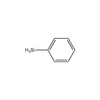
    Phenylsilane; Silylbenzene
  • ΔHvap: 34.8 kJ/mol
  • Employed in the reduction of esters to ethers
  • Reduces α,β-unsaturated ketones to saturated ketones in the presence of tri-n-butyltin hydride
  • Reduces tin amides to tin hydrides
  • Used in the tin-catalyzed reduction of nitroalkanes to alkanes
  • Reduces α-halo ketones in presence of Mo(0)
  • Adds to norbornene with high ee
  • Reducing reagent in radical reductions
  • Yields ISiH3 on treatments with HI in presence of AlI3
  • Extensive review of silicon based reducing agents: Larson, G.; Fry, J. L. "Ionic and Organometallic-Catalyzed Organosilane Reductions", Wipf, P., Ed.; Wiley, 2007
Supplier's Site Datasheet

Technical Specifications

  Gelest, Inc.
Product Category Inorganic Chemicals and Compounds
Product Number SIP6750.0
Product Name PHENYLSILANE
Chemical Formula C 6 H 8 Si
Unlock Full Specs
to access all available technical data

Similar Products

3M KCl Electrolyte Solution - 238036 - Hamilton Company
Specs
Type Other; Electrolyte
Chemical Name Potassium Chloride
Chemical Formula KCl
View Details
GALLIUM PERCHLORATE, HYDRATED REAGENT -  - GFS Chemicals, Inc.
Specs
Chemical Formula Ga(ClO4)36H2O
CAS Number 17835-81-3
State of Matter Powders
View Details
Indium Compounds - Indium Tin Oxide - Standard Powder - Indium Corporation
Specs
Chemical Name Indium Tin Oxide
Chemical Formula In2O3:SnO2
State of Matter Powders
View Details
Sulfamide - 039968 - Matrix Scientific
Matrix Scientific
Specs
Chemical Name Sulfamide
Chemical Formula H4N2O2S
CAS Number 7803-58-9
View Details