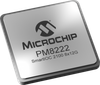
The SmartIOC 2100 8-port SAS IO controller offers reliable ultra high performance HBA functionality with industry-leading low-power operation. The SmartIOC 2100 provides unparalleled flexibility along with a broad range of standard features designed to meet the most demanding server storage applications, including optional entry-level hardware RAID 0/1/10/5 modes without any external DRAM and supports Smart Storage Solutions Drivers for all major operating systems and a comprehensive set of management tools, including a GUI and CLI. The 12 Gbps SmartIOC 2100 controllers are featured on the 12 Gbps SmartHBA 2100 Series Host Bus Adapters (HBAs) and the 12 Gbps HBA 1100 Series Host Bus Adapters (HBAs).
Additional Features
8 12Gbps SAS/SATA ports with RAID 0, 1, 10, 5, 50, 6, and 60 with hardware acceleration and no additional host software requirements
Introduces hardware RAID 5 at no additional cost
Flexible configuration for RAID mode
No DDR memory required, regardless of mode
Compatible with Smart Storage solution drivers for all major operating systems and Smart Storage solution unified management utilities
HBA Features
Persistent logging and binding
Up to 1.6M IOPS performance (4K random reads)
Up to 6.9 GB/s bandwidth
Transport Layer Retry (TLR) support
Multi-initiator (host)/clustering for SAS
TRIM and UNMAP support for SSDs
SAS dual path failover (RAID stack managed Active/Standby)
Baseboard management controller (BMC) support with Management Component Transport Protocol (MCTP) over PCIe or I2C
4K native sector support
Hot plug drive support
Adapter power management modes
S.M.A.R.T. diagnostic access
SMP commands using ARCONF
Supports eight lanes of PCIe 3.0 to the host, each lane supporting PCIe Gen 3 rates up to 8.0 Gbps
Enclosure Management: SES-2/3 SGPIO: SFF-8485; IBPI: SFF-8489; SGPIO as a virtual SES enclosure: SFF-8448
Entry-Level RAID Features
Flexible configuration for RAID mode
Dynamic sector repair
Multiple LUN support
Support for up to 238 raw devices
Support for up to 32 target devices in RAID mode
Supports up to eight SAS/SATA Logical/RAID volumes
Split mirror and combine
Copyback hot spare
Displays raw devices on connector
RAID Build modes (Quick Initialization, Background Initialization and Background Initialization)
Heal array and Move array
Bootable array support
Erase drive
Configurable stripe size
Bad stripe marking
Hot spare support (dedicated, global, or predictive)
Persistent logging for RAID and HBA
4K native sector support in RAID
Storage Management Utilities
MaxView GUI
ARCCONF CLI
Event Monitor (event logging and email alerts)
VSphere plug-in
OpenStack plug-in
Smart Storage Administrator CLI
Tools for Setup and Troubleshooting
UEFI HII configuration tool
CTRL-A Legacy BIOS configuration tool
ChipLink diagnostic tools
Operating System Support
Extensive operating system supports includes major software releases for Microsoft Windows/Server, VMware ESXi, Red Hat Enterprise Linux, SUSE Enterprise Linux, Ubuntu, CentOS, XenServer, Fedora, Debian, and Solaris
Certification for Microsoft WHQL, VMware IOVP, and VMwareVSAN
High-Speed I/O
x8 PCIe Gen 3 8 GT/s (supporting 8 GT/s, 5 GT/s, 2.5 GT/s)
PCIe-compliant link training and manual PHY configuration
8x SAS-3 PHYs for high-speed targets (SAS 12 Gbps, 6 Gbps, 3 Gbps, or SATA 6 Gbps, 3 Gbps, 1.5 Gbps)
SAS or SATA operation on a per-PHY basis
Independent per-channel selectable high-speed outputs support multiple programmable levels of pre-emphasis and output swing
Multiple programmable levels of receive equalization
Integrated resistive termination
Automatic negotiation of link speed
Decision Feedback Equalizer provides robust recovery of 12 Gbps SAS signals over lossy channels
Peripheral I/O Interfaces ( Note: Some peripheral I/O interface pins are multiplexed)
Seven multi-master and seven master-only two-wire interfaces (TWIs) support variable bit rates up to 400 Kbps
Two industry-standard 16750 UARTs
Seven SFF-8485-compliant serial GPIO (SGPIO) ports
Up to 30 GPIO ports depending on SGPIO port configuration
Firmware API for peripheral control, including features such as activity LED, UART configuration, zoning configuration, interprocessor communications, and enclosure control
The SmartIOC 2100 8-port SAS IO controller offers reliable ultra high performance HBA functionality with industry-leading low-power operation. The SmartIOC 2100 provides unparalleled flexibility along with a broad range of standard features designed to meet the most demanding server storage applications, including optional entry-level hardware RAID 0/1/10/5 modes without any external DRAM and supports Smart Storage Solutions Drivers for all major operating systems and a comprehensive set of management tools, including a GUI and CLI.
The 12 Gbps SmartIOC 2100 controllers are featured on the 12 Gbps SmartHBA 2100 Series Host Bus Adapters (HBAs) and the 12 Gbps HBA 1100 Series Host Bus Adapters (HBAs).
Additional Features
- 8 12Gbps SAS/SATA ports with RAID 0, 1, 10, 5, 50, 6, and 60 with hardware acceleration and no additional host software requirements
- Introduces hardware RAID 5 at no additional cost
- Flexible configuration for RAID mode
- No DDR memory required, regardless of mode
- Compatible with Smart Storage solution drivers for all major operating systems and Smart Storage solution unified management utilities
- HBA Features
- Persistent logging and binding
- Up to 1.6M IOPS performance (4K random reads)
- Up to 6.9 GB/s bandwidth
- Transport Layer Retry (TLR) support
- Multi-initiator (host)/clustering for SAS
- TRIM and UNMAP support for SSDs
- SAS dual path failover (RAID stack managed Active/Standby)
- Baseboard management controller (BMC) support with Management Component Transport Protocol (MCTP) over PCIe or I2C
- 4K native sector support
- Hot plug drive support
- Adapter power management modes
- S.M.A.R.T. diagnostic access
- SMP commands using ARCONF
- Supports eight lanes of PCIe 3.0 to the host, each lane supporting PCIe Gen 3 rates up to 8.0 Gbps
- Enclosure Management: SES-2/3 SGPIO: SFF-8485; IBPI: SFF-8489; SGPIO as a virtual SES enclosure: SFF-8448
- Entry-Level RAID Features
- Flexible configuration for RAID mode
- Dynamic sector repair
- Multiple LUN support
- Support for up to 238 raw devices
- Support for up to 32 target devices in RAID mode
- Supports up to eight SAS/SATA Logical/RAID volumes
- Split mirror and combine
- Copyback hot spare
- Displays raw devices on connector
- RAID Build modes (Quick Initialization, Background Initialization and Background Initialization)
- Heal array and Move array
- Bootable array support
- Erase drive
- Configurable stripe size
- Bad stripe marking
- Hot spare support (dedicated, global, or predictive)
- Persistent logging for RAID and HBA
- 4K native sector support in RAID
- Storage Management Utilities
- MaxView GUI
- ARCCONF CLI
- Event Monitor (event logging and email alerts)
- VSphere plug-in
- OpenStack plug-in
- Smart Storage Administrator CLI
- Tools for Setup and Troubleshooting
- UEFI HII configuration tool
- CTRL-A Legacy BIOS configuration tool
- ChipLink diagnostic tools
- Operating System Support
- Extensive operating system supports includes major software releases for Microsoft Windows/Server, VMware ESXi, Red Hat Enterprise Linux, SUSE Enterprise Linux, Ubuntu, CentOS, XenServer, Fedora, Debian, and Solaris
- Certification for Microsoft WHQL, VMware IOVP, and VMwareVSAN
- High-Speed I/O
- x8 PCIe Gen 3 8 GT/s (supporting 8 GT/s, 5 GT/s, 2.5 GT/s)
- PCIe-compliant link training and manual PHY configuration
- 8x SAS-3 PHYs for high-speed targets (SAS 12 Gbps, 6 Gbps, 3 Gbps, or SATA 6 Gbps, 3 Gbps, 1.5 Gbps)
- SAS or SATA operation on a per-PHY basis
- Independent per-channel selectable high-speed outputs support multiple programmable levels of pre-emphasis and output swing
- Multiple programmable levels of receive equalization
- Integrated resistive termination
- Automatic negotiation of link speed
- Decision Feedback Equalizer provides robust recovery of 12 Gbps SAS signals over lossy channels
- Peripheral I/O Interfaces ( Note: Some peripheral I/O interface pins are multiplexed)
- Seven multi-master and seven master-only two-wire interfaces (TWIs) support variable bit rates up to 400 Kbps
- Two industry-standard 16750 UARTs
- Seven SFF-8485-compliant serial GPIO (SGPIO) ports
- Up to 30 GPIO ports depending on SGPIO port configuration
- Firmware API for peripheral control, including features such as activity LED, UART configuration, zoning configuration, interprocessor communications, and enclosure control