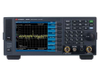
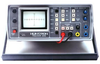
Huntron, Inc. Analyzer 2000

Description
The 2000 is an analyzer from Huntron. Analyzers are key tools to test electronic equipment in the engineering, medical, automotive, and technological industries. Use analyzers for monitoring the performances of many different types of electronic devices. You may need analyzers for the measurement of components such as audio spectrums, voltages and currents, signals, and frequencies. Additional Features: Test components and boards without power-ideal for catastrophic failures Get a picture of a component’s overall health-including intermittent problems Test gate-fired devices with a built-in pulse generator Non-destructive testing Input Selection: A, B, Alternate (variable rate) Test Frequencies: 50/60 Hz, 400 Hz, 2000 Hz Functions Range Selection: Manual or AutoScan; High Range Lockout Compare-A-Trace: Adjustable (0.5 Hz to 10 Hz) Pulse Generator Level: 0V to 5V; DC Mode: +DC or -DC; Pulse Mode: +Pulse, -Pulse, or both; adjustable duty cycle General Specifications Line Voltage: 100 VAC, 115 VAC or 230 VAC, 50 or 60 Hz Power: 20 Watts maximum Display: 2.8 in (7.0 cm) diagonal CRT Dimensions: 11 in L x 9 in W x 4 in H (28 cm L x 23 cm W x 10 cm H) Operating Temp: +32°F to +122°F (0°C to +50°C) Storage Temp: -58°F to +140°F (-50°C to +60°C) The advantage of Tracker technology The Huntron Tracker 2000 provides advanced troubleshooting capabilities to simplify testing newer technology components such as CMOS and MOS circuits. Its built-in pulse generator lets you thoroughly troubleshoot gate-fired devices such as SCRs, TRIACs and optocouplers. By energizing the gate, you can test a component in an active mode. You use a Tracker 2000 while the power to the circuitry you’re testing is turned off. So you avoid an accidental short that could cause further damage. It allows you to analyze the overall health of a solid-state component, which makes it perfect for finding leakage or substrate damage that has brought a system or PCB down prematurely. Because it can compare suspect components to known-good equivalents, it’s also ideal for troubleshooting when documentation is missing or incomplete. Real-world troubleshooting challenges The Huntron Tracker 2000 is ideal for troubleshooting Programmable Logic Controls (PLCs). In troubleshooting multi-channel input modules, technicians frequently run into a damaged channel because the IC buffers, optocouplers and drivers have been overstressed. By using the pulse generator built into the Tracker 2000, you can quickly troubleshoot optocouplers and other gate-fired devices. Simply compare signatures of one channel against another. You’ll usually find problems where you see differences in signatures. Likewise, you can compare multichannel outputs with the Tracker 2000. These devices usually fail when too much current is drawn through the logic section. To troubleshoot them, compare the signatures of ICs in one channel against those in another, looking for differences that indicate a problem. Analog signature analysis The Tracker works by applying a current-limited AC signal across two points of a component. The current flow causes a vertical deflection of the CRT trace, while the voltage causes a horizontal deflection. Together, they give you a unique current-voltage “analog signature” that represents the overall health of the device you’re testing. Analyzing each signature, you can quickly tell if a component is good, bad or marginal.
Datasheet
Description
The 2000 is an analyzer from Huntron. Analyzers are key tools to test electronic equipment in the engineering, medical, automotive, and technological industries. Use analyzers for monitoring the performances of many different types of electronic devices. You may need analyzers for the measurement of components such as audio spectrums, voltages and currents, signals, and frequencies. Additional Features: Test components and boards without power-ideal for catastrophic failures Get a picture of a component’s overall health-including intermittent problems Test gate-fired devices with a built-in pulse generator Non-destructive testing Input Selection: A, B, Alternate (variable rate) Test Frequencies: 50/60 Hz, 400 Hz, 2000 Hz Functions Range Selection: Manual or AutoScan; High Range Lockout Compare-A-Trace: Adjustable (0.5 Hz to 10 Hz) Pulse Generator Level: 0V to 5V; DC Mode: +DC or -DC; Pulse Mode: +Pulse, -Pulse, or both; adjustable duty cycle General Specifications Line Voltage: 100 VAC, 115 VAC or 230 VAC, 50 or 60 Hz Power: 20 Watts maximum Display: 2.8 in (7.0 cm) diagonal CRT Dimensions: 11 in L x 9 in W x 4 in H (28 cm L x 23 cm W x 10 cm H) Operating Temp: +32°F to +122°F (0°C to +50°C) Storage Temp: -58°F to +140°F (-50°C to +60°C) The advantage of Tracker technology The Huntron Tracker 2000 provides advanced troubleshooting capabilities to simplify testing newer technology components such as CMOS and MOS circuits. Its built-in pulse generator lets you thoroughly troubleshoot gate-fired devices such as SCRs, TRIACs and optocouplers. By energizing the gate, you can test a component in an active mode. You use a Tracker 2000 while the power to the circuitry you’re testing is turned off. So you avoid an accidental short that could cause further damage. It allows you to analyze the overall health of a solid-state component, which makes it perfect for finding leakage or substrate damage that has brought a system or PCB down prematurely. Because it can compare suspect components to known-good equivalents, it’s also ideal for troubleshooting when documentation is missing or incomplete. Real-world troubleshooting challenges The Huntron Tracker 2000 is ideal for troubleshooting Programmable Logic Controls (PLCs). In troubleshooting multi-channel input modules, technicians frequently run into a damaged channel because the IC buffers, optocouplers and drivers have been overstressed. By using the pulse generator built into the Tracker 2000, you can quickly troubleshoot optocouplers and other gate-fired devices. Simply compare signatures of one channel against another. You’ll usually find problems where you see differences in signatures. Likewise, you can compare multichannel outputs with the Tracker 2000. These devices usually fail when too much current is drawn through the logic section. To troubleshoot them, compare the signatures of ICs in one channel against those in another, looking for differences that indicate a problem. Analog signature analysis The Tracker works by applying a current-limited AC signal across two points of a component. The current flow causes a vertical deflection of the CRT trace, while the voltage causes a horizontal deflection. Together, they give you a unique current-voltage “analog signature” that represents the overall health of the device you’re testing. Analyzing each signature, you can quickly tell if a component is good, bad or marginal.
Datasheet

Suppliers

Company
Product
Description
Supplier Links
Analyzer 2000
The 2000 is an analyzer from Huntron. Analyzers are key tools to test electronic equipment in the engineering, medical, automotive, and technological industries. Use analyzers for monitoring the performances of many different types of electronic devices. You may need analyzers for the measurement of components such as audio spectrums, voltages and currents, signals, and frequencies. Additional Features: Test components and boards without power-ideal for catastrophic failures Get a picture of a component’s overall health-including intermittent problems Test gate-fired devices with a built-in pulse generator Non-destructive testing Input Selection: A, B, Alternate (variable rate) Test Frequencies: 50/60 Hz, 400 Hz, 2000 Hz Functions Range Selection: Manual or AutoScan; High Range Lockout Compare-A-Trace: Adjustable (0.5 Hz to 10 Hz) Pulse Generator Level: 0V to 5V; DC Mode: +DC or -DC; Pulse Mode: +Pulse, -Pulse, or both; adjustable duty cycle General Specifications Line Voltage: 100 VAC, 115 VAC or 230 VAC, 50 or 60 Hz Power: 20 Watts maximum Display: 2.8 in (7.0 cm) diagonal CRT Dimensions: 11 in L x 9 in W x 4 in H (28 cm L x 23 cm W x 10 cm H) Operating Temp: +32°F to +122°F (0°C to +50°C) Storage Temp: -58°F to +140°F (-50°C to +60°C) The advantage of Tracker technology The Huntron Tracker 2000 provides advanced troubleshooting capabilities to simplify testing newer technology components such as CMOS and MOS circuits. Its built-in pulse generator lets you thoroughly troubleshoot gate-fired devices such as SCRs, TRIACs and optocouplers. By energizing the gate, you can test a component in an active mode. You use a Tracker 2000 while the power to the circuitry you’re testing is turned off. So you avoid an accidental short that could cause further damage. It allows you to analyze the overall health of a solid-state component, which makes it perfect for finding leakage or substrate damage that has brought a system or PCB down prematurely. Because it can compare suspect components to known-good equivalents, it’s also ideal for troubleshooting when documentation is missing or incomplete. Real-world troubleshooting challenges The Huntron Tracker 2000 is ideal for troubleshooting Programmable Logic Controls (PLCs). In troubleshooting multi-channel input modules, technicians frequently run into a damaged channel because the IC buffers, optocouplers and drivers have been overstressed. By using the pulse generator built into the Tracker 2000, you can quickly troubleshoot optocouplers and other gate-fired devices. Simply compare signatures of one channel against another. You’ll usually find problems where you see differences in signatures. Likewise, you can compare multichannel outputs with the Tracker 2000. These devices usually fail when too much current is drawn through the logic section. To troubleshoot them, compare the signatures of ICs in one channel against those in another, looking for differences that indicate a problem. Analog signature analysis The Tracker works by applying a current-limited AC signal across two points of a component. The current flow causes a vertical deflection of the CRT trace, while the voltage causes a horizontal deflection. Together, they give you a unique current-voltage “analog signature” that represents the overall health of the device you’re testing. Analyzing each signature, you can quickly tell if a component is good, bad or marginal.

The 2000 is an analyzer from Huntron. Analyzers are key tools to test electronic equipment in the engineering, medical, automotive, and technological industries. Use analyzers for monitoring the performances of many different types of electronic devices. You may need analyzers for the measurement of components such as audio spectrums, voltages and currents, signals, and frequencies.

Additional Features:

  • Test components and boards without power-ideal for catastrophic failures
  • Get a picture of a component’s overall health-including intermittent problems
  • Test gate-fired devices with a built-in pulse generator
  • Non-destructive testing
  • Input Selection: A, B, Alternate (variable rate)
  • Test Frequencies: 50/60 Hz, 400 Hz, 2000 Hz
  • Functions Range Selection: Manual or AutoScan; High Range Lockout
  • Compare-A-Trace: Adjustable (0.5 Hz to 10 Hz)
  • Pulse Generator Level: 0V to 5V; DC Mode: +DC or -DC; Pulse Mode: +Pulse, -Pulse, or both; adjustable duty cycle

General Specifications

  • Line Voltage: 100 VAC, 115 VAC or 230 VAC, 50 or 60 Hz
  • Power: 20 Watts maximum
  • Display: 2.8 in (7.0 cm) diagonal CRT
  • Dimensions: 11 in L x 9 in W x 4 in H (28 cm L x 23 cm W x 10 cm H)
  • Operating Temp: +32°F to +122°F (0°C to +50°C)
  • Storage Temp: -58°F to +140°F (-50°C to +60°C)

The advantage of Tracker technology

The Huntron Tracker 2000 provides advanced troubleshooting capabilities to simplify testing newer technology components such as CMOS and MOS circuits. Its built-in pulse generator lets you thoroughly troubleshoot gate-fired devices such as SCRs, TRIACs and optocouplers. By energizing the gate, you can test a component in an active mode.

You use a Tracker 2000 while the power to the circuitry you’re testing is turned off. So you avoid an accidental short that could cause further damage. It allows you to analyze the overall health of a solid-state component, which makes it perfect for finding leakage or substrate damage that has brought a system or PCB down prematurely.

Because it can compare suspect components to known-good equivalents, it’s also ideal for troubleshooting when documentation is missing or incomplete.

Real-world troubleshooting challenges

The Huntron Tracker 2000 is ideal for troubleshooting Programmable Logic Controls (PLCs). In troubleshooting multi-channel input modules, technicians frequently run into a damaged channel because the IC buffers, optocouplers and drivers have been overstressed. By using the pulse generator built into the Tracker 2000, you can quickly troubleshoot optocouplers and other gate-fired devices.

Simply compare signatures of one channel against another. You’ll usually find problems where you see differences in signatures. Likewise, you can compare multichannel outputs with the Tracker 2000. These devices usually fail when too much current is drawn through the logic section. To troubleshoot them, compare the signatures of ICs in one channel against those in another, looking for differences that indicate a problem.

Analog signature analysis

The Tracker works by applying a current-limited AC signal across two points of a component. The current flow causes a vertical deflection of the CRT trace, while the voltage causes a horizontal deflection. Together, they give you a unique current-voltage “analog signature” that represents the overall health of the device you’re testing.

Analyzing each signature, you can quickly tell if a component is good, bad or marginal.

Supplier's Site Datasheet

Technical Specifications

  ValueTronics International, Inc.
Product Category Spectrum Analyzers and Signal Analyzers
Product Number 2000
Product Name Analyzer
Unlock Full Specs
to access all available technical data

Similar Products

UTS3084T 8.4GHz Performance-Series Spectrum Analyzer with Tracking Generator - UTS3084T - Uni-Trend US
Specs
Host Connection USB; Ethernet
Frequency Range 9 to 8.40E6 kHz
View Details
Viper - viper - Cosmic Equipment SpA
Cosmic Equipment SpA
View Details
JHS7000A Series Signal Analyzer -  - kTB Solutions
Specs
Frequency Range 0.0020 to 3.20E7 kHz
View Details
Spectrum Analyzer - SSG5040X-V - Siglent Technologies NA, Inc.
Siglent Technologies NA, Inc.
Specs
Special Instrument Type Portable
Analyzer Type Instrument
User Interface Front Panel
View Details