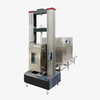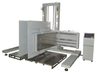
Haida International Equipment Co., Ltd. Package Clamp Force Testing Machine

Description
Clamp Compression Testing Method of Large Products 1. Before placing the packaged product between platens, verify that the clamp force using the clamp indicator. The indicator should be placed between the axes of the platen articulation points approximately 1/2 way up the platens. 2. Each time the product is clamped, the force should be applied for a minimum of 15 seconds and not to exceed 1 minute. 3. Apply the clamp force on the sample with the platens resting on the floor and the front edge of the platens flush with the front of the package (see flush platen photo 4). If the package is too large for the clamps to be flush to front edge (i.e., large refrigerator, tractor etc.), clamp as close to the edge as possible. 4. Clamp the product a total of 10 times in the flush orientation. 5. Apply the clamp force on the packaged product with the platens in a 6×6 inch(15.2x15.2cm) offset position(see fig 5 ). Both the horizontal and vertical offset dimensions are measured at the front bottom corner of the platen. If the package is too large for the clamp to be positioned 6-inches from the front edge (i.e., large refrigerator, tractor etc.), clamp as close to this position as possible. 1) Exception number 1: for large products with an obvious, visible external skid(see fig 6), offset clamp testing is not conducted if the product does not extend beyond any part of the skid and there is some form of handling graphic or note that indicates to clamp only from the skid. If there is no graphic or not indicating this or there is some overhang beyond the skid, then the entire clamp test protocol is conducted. 2) Exception number 2: If the product height, when placed in its normal shipping orientation, is ≤ 12 inches, the 6 x6 inch offset testing is not conducted. 6. Clamp the product a total of 10 times with the clamp in the 6 x6 inch offset position. 7. Repeat step 5.2.5 except with a 2 x6 inch offset clamp position. The 2 x6 inch offset is similar to the 6 x6 inch offset except the platens are oriented such that they are 2-inches from the floor and 6-inches back from the package’s front edge. If the package is too large for the clamps to be positioned 2-inches from the front edge (i.e., large refrigerator, tractor etc.), clamp as close to this position as possible. 8. Repeat flush and offset clamping on all other sides of the product that are indicated in the handling graphics as acceptable for clamp handling. According to verdict standards, if there is one item failed the test, then put forward the “Test Failure Handling Sheet Safety protection Overload protection, overvoltage protection & limited position protection device Specifications 1. Up to ASTM D6055 2. PLC control
Description
Clamp Compression Testing Method of Large Products 1. Before placing the packaged product between platens, verify that the clamp force using the clamp indicator. The indicator should be placed between the axes of the platen articulation points approximately 1/2 way up the platens. 2. Each time the product is clamped, the force should be applied for a minimum of 15 seconds and not to exceed 1 minute. 3. Apply the clamp force on the sample with the platens resting on the floor and the front edge of the platens flush with the front of the package (see flush platen photo 4). If the package is too large for the clamps to be flush to front edge (i.e., large refrigerator, tractor etc.), clamp as close to the edge as possible. 4. Clamp the product a total of 10 times in the flush orientation. 5. Apply the clamp force on the packaged product with the platens in a 6×6 inch(15.2x15.2cm) offset position(see fig 5 ). Both the horizontal and vertical offset dimensions are measured at the front bottom corner of the platen. If the package is too large for the clamp to be positioned 6-inches from the front edge (i.e., large refrigerator, tractor etc.), clamp as close to this position as possible. 1) Exception number 1: for large products with an obvious, visible external skid(see fig 6), offset clamp testing is not conducted if the product does not extend beyond any part of the skid and there is some form of handling graphic or note that indicates to clamp only from the skid. If there is no graphic or not indicating this or there is some overhang beyond the skid, then the entire clamp test protocol is conducted. 2) Exception number 2: If the product height, when placed in its normal shipping orientation, is ≤ 12 inches, the 6 x6 inch offset testing is not conducted. 6. Clamp the product a total of 10 times with the clamp in the 6 x6 inch offset position. 7. Repeat step 5.2.5 except with a 2 x6 inch offset clamp position. The 2 x6 inch offset is similar to the 6 x6 inch offset except the platens are oriented such that they are 2-inches from the floor and 6-inches back from the package’s front edge. If the package is too large for the clamps to be positioned 2-inches from the front edge (i.e., large refrigerator, tractor etc.), clamp as close to this position as possible. 8. Repeat flush and offset clamping on all other sides of the product that are indicated in the handling graphics as acceptable for clamp handling. According to verdict standards, if there is one item failed the test, then put forward the “Test Failure Handling Sheet Safety protection Overload protection, overvoltage protection & limited position protection device Specifications 1. Up to ASTM D6055 2. PLC control

Suppliers

Company
Product
Description
Supplier Links
Package Clamp Force Testing Machine -  - Haida International Equipment Co., Ltd.
Dongguan, China
Package Clamp Force Testing Machine
Clamp Compression Testing Method of Large Products 1. Before placing the packaged product between platens, verify that the clamp force using the clamp indicator. The indicator should be placed between the axes of the platen articulation points approximately 1/2 way up the platens. 2. Each time the product is clamped, the force should be applied for a minimum of 15 seconds and not to exceed 1 minute. 3. Apply the clamp force on the sample with the platens resting on the floor and the front edge of the platens flush with the front of the package (see flush platen photo 4). If the package is too large for the clamps to be flush to front edge (i.e., large refrigerator, tractor etc.), clamp as close to the edge as possible. 4. Clamp the product a total of 10 times in the flush orientation. 5. Apply the clamp force on the packaged product with the platens in a 6×6 inch(15.2x15.2cm) offset position(see fig 5 ). Both the horizontal and vertical offset dimensions are measured at the front bottom corner of the platen. If the package is too large for the clamp to be positioned 6-inches from the front edge (i.e., large refrigerator, tractor etc.), clamp as close to this position as possible. 1) Exception number 1: for large products with an obvious, visible external skid(see fig 6), offset clamp testing is not conducted if the product does not extend beyond any part of the skid and there is some form of handling graphic or note that indicates to clamp only from the skid. If there is no graphic or not indicating this or there is some overhang beyond the skid, then the entire clamp test protocol is conducted. 2) Exception number 2: If the product height, when placed in its normal shipping orientation, is ≤ 12 inches, the 6 x6 inch offset testing is not conducted. 6. Clamp the product a total of 10 times with the clamp in the 6 x6 inch offset position. 7. Repeat step 5.2.5 except with a 2 x6 inch offset clamp position. The 2 x6 inch offset is similar to the 6 x6 inch offset except the platens are oriented such that they are 2-inches from the floor and 6-inches back from the package’s front edge. If the package is too large for the clamps to be positioned 2-inches from the front edge (i.e., large refrigerator, tractor etc.), clamp as close to this position as possible. 8. Repeat flush and offset clamping on all other sides of the product that are indicated in the handling graphics as acceptable for clamp handling. According to verdict standards, if there is one item failed the test, then put forward the “Test Failure Handling Sheet Safety protection Overload protection, overvoltage protection & limited position protection device Specifications 1. Up to ASTM D6055 2. PLC control

Clamp Compression Testing Method of Large Products

1. Before placing the packaged product between platens, verify that the clamp force using the clamp indicator. The indicator should be placed between the axes of the platen articulation points approximately 1/2 way up the platens.

2. Each time the product is clamped, the force should be applied for a minimum of 15 seconds and not to exceed 1 minute.

3. Apply the clamp force on the sample with the platens resting on the floor and the front edge of the platens flush with the front of the package (see flush platen photo 4). If the package is too large for the clamps to be flush to front edge (i.e., large refrigerator, tractor etc.), clamp as close to the edge as possible.

4. Clamp the product a total of 10 times in the flush orientation.

5. Apply the clamp force on the packaged product with the platens in a 6×6 inch(15.2x15.2cm) offset position(see fig 5 ). Both the horizontal and vertical offset dimensions are measured at the front bottom corner of the platen. If the package is too large for the clamp to be positioned 6-inches from the front edge (i.e., large refrigerator, tractor etc.), clamp as close to this position as possible.

1) Exception number 1: for large products with an obvious, visible external skid(see fig 6), offset clamp testing is not conducted if the product does not extend beyond any part of the skid and there is some form of handling graphic or note that indicates to clamp only from the skid. If there is no graphic or not indicating this or there is some overhang beyond the skid, then the entire clamp test protocol is conducted.

2) Exception number 2: If the product height, when placed in its normal shipping orientation, is ≤ 12 inches, the 6 x6 inch offset testing is not conducted.

6. Clamp the product a total of 10 times with the clamp in the 6 x6 inch offset position.

7. Repeat step 5.2.5 except with a 2 x6 inch offset clamp position. The 2 x6 inch offset is similar to the 6 x6 inch offset except the platens are oriented such that they are 2-inches from the floor and 6-inches back from the package’s front edge. If the package is too large for the clamps to be positioned 2-inches from the front edge (i.e., large refrigerator, tractor etc.), clamp as close to this position as possible.

8. Repeat flush and offset clamping on all other sides of the product that are indicated in the handling graphics as acceptable for clamp handling.

According to verdict standards, if there is one item failed the test, then put forward the “Test Failure Handling Sheet

Safety protection

Overload protection, overvoltage protection & limited position protection device

Specifications

1. Up to ASTM D6055
2. PLC control

Supplier's Site

Technical Specifications

  Haida International Equipment Co., Ltd.
Product Category Mechanical Testing Equipment
Product Name Package Clamp Force Testing Machine
Mechanical Test Compression
Unlock Full Specs
to access all available technical data

Similar Products

Torque stand, motorized, vertical, 110 V - TSTM-DC - Mark-10 Corporation
Specs
Mechanical Test Fatigue; Shear or Torsion
View Details
Universal Testing Machines, L Series UTMs [5kN - 50kN], Model 25kL -  - Tinius Olsen, Inc.
Specs
Mechanical Test Compression; Shear or Torsion; Tensile; Universal
Display / User Interface Application Software (optional feature)
Force / Load 5620 lbs (2549 kg)
View Details
Simulation Car Transport Vibration Tester - 300 - Guangdong Atmars Industry Co., Limited
Guangdong Atmars Industry Co., Limited
Specs
Mechanical Test Vibration
Force / Load 662 lbs (300 kg)
View Details