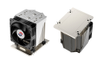
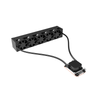
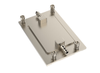
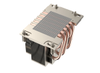
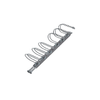
The LGA7529 CPU cooler is designed for Intel server processors with the LGA 7529 socket. These coolers come in various designs, including active heat sink, passive cooler, and liquid cooler options, to suit different server form factors and cooling requirements
Cooling Solutions:
Passive Coolers: These rely on heat sinks and natural convection for cooling, suitable for lower TDP CPUs and environments with good airflow.
Active Coolers: Utilize fans to force air through the heat sink, providing more effective cooling for higher TDP CPUs.
Liquid Coolers: Offer the highest cooling performance, using a liquid coolant to transfer heat away from the CPU to a radiator. These are particularly effective for high-performance servers.
Considerations:
TDP: Ensure the cooler supports the TDP of the CPU being used.
Server Form Factor: Choose a cooler that fits within the server’s height constraints (e.g., 1U, 2U, 3U).
Noise Level: Consider the noise generated by active coolers, especially in noise-sensitive environments.
Installation: Verify compatibility with the motherboard and case.
Material Quality: Copper base coolers generally offer better thermal conductivity than aluminum.
This comprehensive guide covers to decide which cpu solutions for industrial and OEM applications. ToneCooling provides expert insights on to […]
The LGA7529 CPU cooler is designed for Intel server processors with the LGA 7529 socket. These coolers come in various designs, including active heat sink, passive cooler, and liquid cooler options, to suit different server form factors and cooling requirements
Cooling Solutions:
- Passive Coolers: These rely on heat sinks and natural convection for cooling, suitable for lower TDP CPUs and environments with good airflow.
- Active Coolers: Utilize fans to force air through the heat sink, providing more effective cooling for higher TDP CPUs.
- Liquid Coolers: Offer the highest cooling performance, using a liquid coolant to transfer heat away from the CPU to a radiator. These are particularly effective for high-performance servers.
Considerations:
- TDP: Ensure the cooler supports the TDP of the CPU being used.
- Server Form Factor: Choose a cooler that fits within the server’s height constraints (e.g., 1U, 2U, 3U).
- Noise Level: Consider the noise generated by active coolers, especially in noise-sensitive environments.
- Installation: Verify compatibility with the motherboard and case.
- Material Quality: Copper base coolers generally offer better thermal conductivity than aluminum.
This comprehensive guide covers to decide which cpu solutions for industrial and OEM applications. ToneCooling provides expert insights on to […]