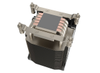
ToneCooling Technology Co., Ltd High-Pressure Cascade Energy Storage Cooling Plate

Description
1. High-Pressure Operation: These systems operate under high pressure, which enhances the efficiency of energy storage and retrieval processes 2. Cascade Design: The cascade structure allows for multiple stages of cooling, improving overall thermal management and system reliability 3. Liquid Cooling: Utilizes liquid coolant to effectively dissipate heat, maintaining optimal operating temperatures for energy storage components High-pressure cascade energy storage liquid cooling solution: Efficient Cooling Solution High-Pressure Cascade Energy Storage Liquid Cooling Solutions In the evolving landscape of energy storage, high-pressure cascade energy storage liquid cooling solutions have emerged as a critical technology. These systems are designed to manage the thermal loads in energy storage applications efficiently, ensuring optimal performance and longevity. Key Features 1. High-Pressure Operation: These cooling solutions operate under high pressure, which enhances the efficiency of energy storage and retrieval processes. The high-pressure environment allows for better heat transfer and more effective cooling. 2. Cascade Design: The cascade structure involves multiple stages of cooling, which improves overall thermal management. This design ensures that heat is dissipated more effectively, maintaining the system’s stability and reliability. 3. Liquid Cooling: Utilizing liquid coolant, these systems can dissipate heat more efficiently than air-cooled systems. Liquid cooling is particularly effective in high-performance applications where managing thermal loads is critical. Functions 1. Thermal Management: The primary function of these cooling solutions is to maintain energy storage systems within safe temperature ranges. This prevents overheating and ensures the longevity of the components. 2. Efficiency Enhancement: By keeping the system at optimal temperatures, these cooling solutions enhance the efficiency of energy storage and retrieval processes. This leads to better overall performance and energy savings. 3. System Stability: Consistent cooling helps maintain the stability and performance of energy storage systems, reducing the risk of thermal-related failures. Attributes 1. Durability: Built to withstand high pressures and harsh operating conditions, these cooling solutions are designed for long-term reliability. The materials and construction methods used ensure that they can handle the demands of high-performance applications. 2. Scalability: These systems can be scaled to meet the needs of various energy storage capacities, from small-scale residential systems to large-scale industrial applications. This flexibility makes them suitable for a wide range of uses. 3. Environmental Friendliness: Many high-pressure cascade cooling solutions are designed with environmental considerations in mind. They often use non-toxic coolants and energy-efficient components, reducing their environmental impact. Applications 1. Renewable Energy Systems: In solar and wind energy storage systems, these cooling solutions manage the thermal loads of batteries and other components. This ensures efficient operation and extends the lifespan of the energy storage systems. 2. Grid Energy Storage: High-pressure cascade cooling solutions help stabilize the grid by efficiently managing the thermal loads of large-scale energy storage systems. This is crucial for maintaining a consistent power supply and preventing outages. 3. Industrial Applications: In industrial settings, these cooling solutions are used to manage the thermal loads of energy storage systems. This ensures reliable performance and safety, even in demanding environments. 4. Decentralized Micro Energy Networks: These cooling solutions are also used in decentralized micro energy networks, providing cooling, heating, hot water, and power supply. This versatility makes them an integral part of modern energy management systems. Conclusion High-pressure cascade energy storage liquid cooling solutions represent a significant advancement in thermal management technology. Their ability to efficiently dissipate heat in demanding applications makes them an invaluable component in various high-performance industries. As energy storage technology continues to evolve, these cooling solutions will play a crucial role in ensuring the reliability and efficiency of next-generation systems. High-Pressure Cascade Energy Storage Liquid Cooling Solutions In the evolving landscape of energy storage, high-pressure cascade energy storage liquid cooling solutions have emerged as a critical technology. These systems are designed to manage the thermal loads in energy storage applications efficiently, ensuring optimal performance and longevity. Key Features 1. High-Pressure Operation: These cooling solutions operate under high pressure, which enhances the efficiency of energy storage and retrieval processes. The high-pressure environment allows for better heat transfer and more effective cooling. 2. Cascade Design: The cascade structure involves multiple stages of cooling, which improves overall thermal management. This design ensures that heat is dissipated more effectively, maintaining the system’s stability and reliability. 3. Liquid Cooling: Utilizing liquid coolant, these systems can dissipate heat more efficiently than air-cooled systems. Liquid cooling is particularly effective in high-performance applications where managing thermal loads is critical. Functions 1. Thermal Management: The primary function of these cooling solutions is to maintain energy storage systems within safe temperature ranges. This prevents overheating and ensures the longevity of the components. 2. Efficiency Enhancement: By keeping the system at optimal temperatures, these cooling solutions enhance the efficiency of energy storage and retrieval processes. This leads to better overall performance and energy savings. 3. System Stability: Consistent cooling helps maintain the stability and performance of energy storage systems, reducing the risk of thermal-related failures. Attributes 1. Durability: Built to withstand high pressures and harsh operating conditions, these cooling solutions are designed for long-term reliability. The materials and construction methods used ensure that they can handle the demands of high-performance applications. 2. Scalability: These systems can be scaled to meet the needs of various energy storage capacities, from small-scale residential systems to large-scale industrial applications. This flexibility makes them suitable for a wide range of uses. 3. Environmental Friendliness: Many high-pressure cascade cooling solutions are designed with environmental considerations in mind. They often use non-toxic coolants and energy-efficient components, reducing their environmental impact. Applications 1. Renewable Energy Systems: In solar and wind energy storage systems, these cooling solutions manage the thermal loads of batteries and other components. This ensures efficient operation and extends the lifespan of the energy storage systems. 2. Grid Energy Storage: High-pressure cascade cooling solutions help stabilize the grid by efficiently managing the thermal loads of large-scale energy storage systems. This is crucial for maintaining a consistent power supply and preventing outages. 3. Industrial Applications: In industrial settings, these cooling solutions are used to manage the thermal loads of energy storage systems. This ensures reliable performance and safety, even in demanding environments. 4. Decentralized Micro Energy Networks: These cooling solutions are also used in decentralized micro energy networks, providing cooling, heating, hot water, and power supply. This versatility makes them an integral part of modern energy management systems. Conclusion High-pressure cascade energy storage liquid cooling solutions represent a significant advancement in thermal management technology. Their ability to efficiently dissipate heat in demanding applications makes them an invaluable component in various high-performance industries. As energy storage technology continues to evolve, these cooling solutions will play a crucial role in ensuring the reliability and efficiency of next-generation systems. This comprehensive guide covers the role of liquid solutions for industrial and OEM applications. ToneCooling provides expert insights on the […] Introduction — How liquid cold plates Liquid Cold Plates Support Fast is a high-performance thermal management solution engineered by ToneCooling […] This comprehensive guide covers guide to battery thermal solutions for industrial and OEM applications. ToneCooling provides expert insights on guide […] Manufacturers use stamping and brazing to create ev battery cold plates for Autonomous Electric Vehicles. Stamping shapes the metal sheets […] This comprehensive guide covers maximizing battery lifespan with solutions for industrial and OEM applications. ToneCooling provides expert insights on maximizing […] This comprehensive guide covers how containerized ess solutions for industrial and OEM applications. ToneCooling provides expert insights on how containerized […] What is a Cold Plate? Definition and basic function — A cold plate A cold plate is a device that absorbs […] Battery cold plates are essential components in managing heat generated by batteries during operation. By efficiently transferring heat away […]
Request a Quote
Description
1. High-Pressure Operation: These systems operate under high pressure, which enhances the efficiency of energy storage and retrieval processes 2. Cascade Design: The cascade structure allows for multiple stages of cooling, improving overall thermal management and system reliability 3. Liquid Cooling: Utilizes liquid coolant to effectively dissipate heat, maintaining optimal operating temperatures for energy storage components High-pressure cascade energy storage liquid cooling solution: Efficient Cooling Solution High-Pressure Cascade Energy Storage Liquid Cooling Solutions In the evolving landscape of energy storage, high-pressure cascade energy storage liquid cooling solutions have emerged as a critical technology. These systems are designed to manage the thermal loads in energy storage applications efficiently, ensuring optimal performance and longevity. Key Features 1. High-Pressure Operation: These cooling solutions operate under high pressure, which enhances the efficiency of energy storage and retrieval processes. The high-pressure environment allows for better heat transfer and more effective cooling. 2. Cascade Design: The cascade structure involves multiple stages of cooling, which improves overall thermal management. This design ensures that heat is dissipated more effectively, maintaining the system’s stability and reliability. 3. Liquid Cooling: Utilizing liquid coolant, these systems can dissipate heat more efficiently than air-cooled systems. Liquid cooling is particularly effective in high-performance applications where managing thermal loads is critical. Functions 1. Thermal Management: The primary function of these cooling solutions is to maintain energy storage systems within safe temperature ranges. This prevents overheating and ensures the longevity of the components. 2. Efficiency Enhancement: By keeping the system at optimal temperatures, these cooling solutions enhance the efficiency of energy storage and retrieval processes. This leads to better overall performance and energy savings. 3. System Stability: Consistent cooling helps maintain the stability and performance of energy storage systems, reducing the risk of thermal-related failures. Attributes 1. Durability: Built to withstand high pressures and harsh operating conditions, these cooling solutions are designed for long-term reliability. The materials and construction methods used ensure that they can handle the demands of high-performance applications. 2. Scalability: These systems can be scaled to meet the needs of various energy storage capacities, from small-scale residential systems to large-scale industrial applications. This flexibility makes them suitable for a wide range of uses. 3. Environmental Friendliness: Many high-pressure cascade cooling solutions are designed with environmental considerations in mind. They often use non-toxic coolants and energy-efficient components, reducing their environmental impact. Applications 1. Renewable Energy Systems: In solar and wind energy storage systems, these cooling solutions manage the thermal loads of batteries and other components. This ensures efficient operation and extends the lifespan of the energy storage systems. 2. Grid Energy Storage: High-pressure cascade cooling solutions help stabilize the grid by efficiently managing the thermal loads of large-scale energy storage systems. This is crucial for maintaining a consistent power supply and preventing outages. 3. Industrial Applications: In industrial settings, these cooling solutions are used to manage the thermal loads of energy storage systems. This ensures reliable performance and safety, even in demanding environments. 4. Decentralized Micro Energy Networks: These cooling solutions are also used in decentralized micro energy networks, providing cooling, heating, hot water, and power supply. This versatility makes them an integral part of modern energy management systems. Conclusion High-pressure cascade energy storage liquid cooling solutions represent a significant advancement in thermal management technology. Their ability to efficiently dissipate heat in demanding applications makes them an invaluable component in various high-performance industries. As energy storage technology continues to evolve, these cooling solutions will play a crucial role in ensuring the reliability and efficiency of next-generation systems. High-Pressure Cascade Energy Storage Liquid Cooling Solutions In the evolving landscape of energy storage, high-pressure cascade energy storage liquid cooling solutions have emerged as a critical technology. These systems are designed to manage the thermal loads in energy storage applications efficiently, ensuring optimal performance and longevity. Key Features 1. High-Pressure Operation: These cooling solutions operate under high pressure, which enhances the efficiency of energy storage and retrieval processes. The high-pressure environment allows for better heat transfer and more effective cooling. 2. Cascade Design: The cascade structure involves multiple stages of cooling, which improves overall thermal management. This design ensures that heat is dissipated more effectively, maintaining the system’s stability and reliability. 3. Liquid Cooling: Utilizing liquid coolant, these systems can dissipate heat more efficiently than air-cooled systems. Liquid cooling is particularly effective in high-performance applications where managing thermal loads is critical. Functions 1. Thermal Management: The primary function of these cooling solutions is to maintain energy storage systems within safe temperature ranges. This prevents overheating and ensures the longevity of the components. 2. Efficiency Enhancement: By keeping the system at optimal temperatures, these cooling solutions enhance the efficiency of energy storage and retrieval processes. This leads to better overall performance and energy savings. 3. System Stability: Consistent cooling helps maintain the stability and performance of energy storage systems, reducing the risk of thermal-related failures. Attributes 1. Durability: Built to withstand high pressures and harsh operating conditions, these cooling solutions are designed for long-term reliability. The materials and construction methods used ensure that they can handle the demands of high-performance applications. 2. Scalability: These systems can be scaled to meet the needs of various energy storage capacities, from small-scale residential systems to large-scale industrial applications. This flexibility makes them suitable for a wide range of uses. 3. Environmental Friendliness: Many high-pressure cascade cooling solutions are designed with environmental considerations in mind. They often use non-toxic coolants and energy-efficient components, reducing their environmental impact. Applications 1. Renewable Energy Systems: In solar and wind energy storage systems, these cooling solutions manage the thermal loads of batteries and other components. This ensures efficient operation and extends the lifespan of the energy storage systems. 2. Grid Energy Storage: High-pressure cascade cooling solutions help stabilize the grid by efficiently managing the thermal loads of large-scale energy storage systems. This is crucial for maintaining a consistent power supply and preventing outages. 3. Industrial Applications: In industrial settings, these cooling solutions are used to manage the thermal loads of energy storage systems. This ensures reliable performance and safety, even in demanding environments. 4. Decentralized Micro Energy Networks: These cooling solutions are also used in decentralized micro energy networks, providing cooling, heating, hot water, and power supply. This versatility makes them an integral part of modern energy management systems. Conclusion High-pressure cascade energy storage liquid cooling solutions represent a significant advancement in thermal management technology. Their ability to efficiently dissipate heat in demanding applications makes them an invaluable component in various high-performance industries. As energy storage technology continues to evolve, these cooling solutions will play a crucial role in ensuring the reliability and efficiency of next-generation systems. This comprehensive guide covers the role of liquid solutions for industrial and OEM applications. ToneCooling provides expert insights on the […] Introduction — How liquid cold plates Liquid Cold Plates Support Fast is a high-performance thermal management solution engineered by ToneCooling […] This comprehensive guide covers guide to battery thermal solutions for industrial and OEM applications. ToneCooling provides expert insights on guide […] Manufacturers use stamping and brazing to create ev battery cold plates for Autonomous Electric Vehicles. Stamping shapes the metal sheets […] This comprehensive guide covers maximizing battery lifespan with solutions for industrial and OEM applications. ToneCooling provides expert insights on maximizing […] This comprehensive guide covers how containerized ess solutions for industrial and OEM applications. ToneCooling provides expert insights on how containerized […] What is a Cold Plate? Definition and basic function — A cold plate A cold plate is a device that absorbs […] Battery cold plates are essential components in managing heat generated by batteries during operation. By efficiently transferring heat away […]
Request a Quote

Suppliers

Company
Product
Description
Supplier Links
High-Pressure Cascade Energy Storage Cooling Plate -  - ToneCooling Technology Co., Ltd
Huizhou City, China
High-Pressure Cascade Energy Storage Cooling Plate
1. High-Pressure Operation: These systems operate under high pressure, which enhances the efficiency of energy storage and retrieval processes 2. Cascade Design: The cascade structure allows for multiple stages of cooling, improving overall thermal management and system reliability 3. Liquid Cooling: Utilizes liquid coolant to effectively dissipate heat, maintaining optimal operating temperatures for energy storage components High-pressure cascade energy storage liquid cooling solution: Efficient Cooling Solution High-Pressure Cascade Energy Storage Liquid Cooling Solutions In the evolving landscape of energy storage, high-pressure cascade energy storage liquid cooling solutions have emerged as a critical technology. These systems are designed to manage the thermal loads in energy storage applications efficiently, ensuring optimal performance and longevity. Key Features 1. High-Pressure Operation: These cooling solutions operate under high pressure, which enhances the efficiency of energy storage and retrieval processes. The high-pressure environment allows for better heat transfer and more effective cooling. 2. Cascade Design: The cascade structure involves multiple stages of cooling, which improves overall thermal management. This design ensures that heat is dissipated more effectively, maintaining the system’s stability and reliability. 3. Liquid Cooling: Utilizing liquid coolant, these systems can dissipate heat more efficiently than air-cooled systems. Liquid cooling is particularly effective in high-performance applications where managing thermal loads is critical. Functions 1. Thermal Management: The primary function of these cooling solutions is to maintain energy storage systems within safe temperature ranges. This prevents overheating and ensures the longevity of the components. 2. Efficiency Enhancement: By keeping the system at optimal temperatures, these cooling solutions enhance the efficiency of energy storage and retrieval processes. This leads to better overall performance and energy savings. 3. System Stability: Consistent cooling helps maintain the stability and performance of energy storage systems, reducing the risk of thermal-related failures. Attributes 1. Durability: Built to withstand high pressures and harsh operating conditions, these cooling solutions are designed for long-term reliability. The materials and construction methods used ensure that they can handle the demands of high-performance applications. 2. Scalability: These systems can be scaled to meet the needs of various energy storage capacities, from small-scale residential systems to large-scale industrial applications. This flexibility makes them suitable for a wide range of uses. 3. Environmental Friendliness: Many high-pressure cascade cooling solutions are designed with environmental considerations in mind. They often use non-toxic coolants and energy-efficient components, reducing their environmental impact. Applications 1. Renewable Energy Systems: In solar and wind energy storage systems, these cooling solutions manage the thermal loads of batteries and other components. This ensures efficient operation and extends the lifespan of the energy storage systems. 2. Grid Energy Storage: High-pressure cascade cooling solutions help stabilize the grid by efficiently managing the thermal loads of large-scale energy storage systems. This is crucial for maintaining a consistent power supply and preventing outages. 3. Industrial Applications: In industrial settings, these cooling solutions are used to manage the thermal loads of energy storage systems. This ensures reliable performance and safety, even in demanding environments. 4. Decentralized Micro Energy Networks: These cooling solutions are also used in decentralized micro energy networks, providing cooling, heating, hot water, and power supply. This versatility makes them an integral part of modern energy management systems. Conclusion High-pressure cascade energy storage liquid cooling solutions represent a significant advancement in thermal management technology. Their ability to efficiently dissipate heat in demanding applications makes them an invaluable component in various high-performance industries. As energy storage technology continues to evolve, these cooling solutions will play a crucial role in ensuring the reliability and efficiency of next-generation systems. High-Pressure Cascade Energy Storage Liquid Cooling Solutions In the evolving landscape of energy storage, high-pressure cascade energy storage liquid cooling solutions have emerged as a critical technology. These systems are designed to manage the thermal loads in energy storage applications efficiently, ensuring optimal performance and longevity. Key Features 1. High-Pressure Operation: These cooling solutions operate under high pressure, which enhances the efficiency of energy storage and retrieval processes. The high-pressure environment allows for better heat transfer and more effective cooling. 2. Cascade Design: The cascade structure involves multiple stages of cooling, which improves overall thermal management. This design ensures that heat is dissipated more effectively, maintaining the system’s stability and reliability. 3. Liquid Cooling: Utilizing liquid coolant, these systems can dissipate heat more efficiently than air-cooled systems. Liquid cooling is particularly effective in high-performance applications where managing thermal loads is critical. Functions 1. Thermal Management: The primary function of these cooling solutions is to maintain energy storage systems within safe temperature ranges. This prevents overheating and ensures the longevity of the components. 2. Efficiency Enhancement: By keeping the system at optimal temperatures, these cooling solutions enhance the efficiency of energy storage and retrieval processes. This leads to better overall performance and energy savings. 3. System Stability: Consistent cooling helps maintain the stability and performance of energy storage systems, reducing the risk of thermal-related failures. Attributes 1. Durability: Built to withstand high pressures and harsh operating conditions, these cooling solutions are designed for long-term reliability. The materials and construction methods used ensure that they can handle the demands of high-performance applications. 2. Scalability: These systems can be scaled to meet the needs of various energy storage capacities, from small-scale residential systems to large-scale industrial applications. This flexibility makes them suitable for a wide range of uses. 3. Environmental Friendliness: Many high-pressure cascade cooling solutions are designed with environmental considerations in mind. They often use non-toxic coolants and energy-efficient components, reducing their environmental impact. Applications 1. Renewable Energy Systems: In solar and wind energy storage systems, these cooling solutions manage the thermal loads of batteries and other components. This ensures efficient operation and extends the lifespan of the energy storage systems. 2. Grid Energy Storage: High-pressure cascade cooling solutions help stabilize the grid by efficiently managing the thermal loads of large-scale energy storage systems. This is crucial for maintaining a consistent power supply and preventing outages. 3. Industrial Applications: In industrial settings, these cooling solutions are used to manage the thermal loads of energy storage systems. This ensures reliable performance and safety, even in demanding environments. 4. Decentralized Micro Energy Networks: These cooling solutions are also used in decentralized micro energy networks, providing cooling, heating, hot water, and power supply. This versatility makes them an integral part of modern energy management systems. Conclusion High-pressure cascade energy storage liquid cooling solutions represent a significant advancement in thermal management technology. Their ability to efficiently dissipate heat in demanding applications makes them an invaluable component in various high-performance industries. As energy storage technology continues to evolve, these cooling solutions will play a crucial role in ensuring the reliability and efficiency of next-generation systems. This comprehensive guide covers the role of liquid solutions for industrial and OEM applications. ToneCooling provides expert insights on the […] Introduction — How liquid cold plates Liquid Cold Plates Support Fast is a high-performance thermal management solution engineered by ToneCooling […] This comprehensive guide covers guide to battery thermal solutions for industrial and OEM applications. ToneCooling provides expert insights on guide […] Manufacturers use stamping and brazing to create ev battery cold plates for Autonomous Electric Vehicles. Stamping shapes the metal sheets […] This comprehensive guide covers maximizing battery lifespan with solutions for industrial and OEM applications. ToneCooling provides expert insights on maximizing […] This comprehensive guide covers how containerized ess solutions for industrial and OEM applications. ToneCooling provides expert insights on how containerized […] What is a Cold Plate? Definition and basic function — A cold plate A cold plate is a device that absorbs […] Battery cold plates are essential components in managing heat generated by batteries during operation. By efficiently transferring heat away […]

1. High-Pressure Operation: These systems operate under high pressure, which enhances the efficiency of energy storage and retrieval processes
2. Cascade Design: The cascade structure allows for multiple stages of cooling, improving overall thermal management and system reliability
3. Liquid Cooling: Utilizes liquid coolant to effectively dissipate heat, maintaining optimal operating temperatures for energy storage components


High-pressure cascade energy storage liquid cooling solution: Efficient Cooling Solution


High-Pressure Cascade Energy Storage Liquid Cooling Solutions
In the evolving landscape of energy storage, high-pressure cascade energy storage liquid cooling solutions have emerged as a critical technology. These systems are designed to manage the thermal loads in energy storage applications efficiently, ensuring optimal performance and longevity.

Key Features
1.
High-Pressure Operation: These cooling solutions operate under high pressure, which enhances the efficiency of energy storage and retrieval processes. The high-pressure environment allows for better heat transfer and more effective cooling.
2.
Cascade Design: The cascade structure involves multiple stages of cooling, which improves overall thermal management. This design ensures that heat is dissipated more effectively, maintaining the system’s stability and reliability.
3.
Liquid Cooling: Utilizing liquid coolant, these systems can dissipate heat more efficiently than air-cooled systems. Liquid cooling is particularly effective in high-performance applications where managing thermal loads is critical.

Functions
1.
Thermal Management: The primary function of these cooling solutions is to maintain energy storage systems within safe temperature ranges. This prevents overheating and ensures the longevity of the components.
2.
Efficiency Enhancement: By keeping the system at optimal temperatures, these cooling solutions enhance the efficiency of energy storage and retrieval processes. This leads to better overall performance and energy savings.
3.
System Stability: Consistent cooling helps maintain the stability and performance of energy storage systems, reducing the risk of thermal-related failures.

Attributes
1.
Durability: Built to withstand high pressures and harsh operating conditions, these cooling solutions are designed for long-term reliability. The materials and construction methods used ensure that they can handle the demands of high-performance applications.
2.
Scalability: These systems can be scaled to meet the needs of various energy storage capacities, from small-scale residential systems to large-scale industrial applications. This flexibility makes them suitable for a wide range of uses.
3.
Environmental Friendliness: Many high-pressure cascade cooling solutions are designed with environmental considerations in mind. They often use non-toxic coolants and energy-efficient components, reducing their environmental impact.

Applications
1.
Renewable Energy Systems: In solar and wind energy storage systems, these cooling solutions manage the thermal loads of batteries and other components. This ensures efficient operation and extends the lifespan of the energy storage systems.
2.
Grid Energy Storage: High-pressure cascade cooling solutions help stabilize the grid by efficiently managing the thermal loads of large-scale energy storage systems. This is crucial for maintaining a consistent power supply and preventing outages.
3.
Industrial Applications: In industrial settings, these cooling solutions are used to manage the thermal loads of energy storage systems. This ensures reliable performance and safety, even in demanding environments.
4.
Decentralized Micro Energy Networks: These cooling solutions are also used in decentralized micro energy networks, providing cooling, heating, hot water, and power supply. This versatility makes them an integral part of modern energy management systems.

Conclusion
High-pressure cascade energy storage liquid cooling solutions represent a significant advancement in thermal management technology. Their ability to efficiently dissipate heat in demanding applications makes them an invaluable component in various high-performance industries. As energy storage technology continues to evolve, these cooling solutions will play a crucial role in ensuring the reliability and efficiency of next-generation systems.


High-Pressure Cascade Energy Storage Liquid Cooling Solutions
In the evolving landscape of energy storage, high-pressure cascade energy storage liquid cooling solutions have emerged as a critical technology. These systems are designed to manage the thermal loads in energy storage applications efficiently, ensuring optimal performance and longevity.

Key Features
1.
High-Pressure Operation: These cooling solutions operate under high pressure, which enhances the efficiency of energy storage and retrieval processes. The high-pressure environment allows for better heat transfer and more effective cooling.
2.
Cascade Design: The cascade structure involves multiple stages of cooling, which improves overall thermal management. This design ensures that heat is dissipated more effectively, maintaining the system’s stability and reliability.
3.
Liquid Cooling: Utilizing liquid coolant, these systems can dissipate heat more efficiently than air-cooled systems. Liquid cooling is particularly effective in high-performance applications where managing thermal loads is critical.

Functions
1.
Thermal Management: The primary function of these cooling solutions is to maintain energy storage systems within safe temperature ranges. This prevents overheating and ensures the longevity of the components.
2.
Efficiency Enhancement: By keeping the system at optimal temperatures, these cooling solutions enhance the efficiency of energy storage and retrieval processes. This leads to better overall performance and energy savings.
3.
System Stability: Consistent cooling helps maintain the stability and performance of energy storage systems, reducing the risk of thermal-related failures.

Attributes
1.
Durability: Built to withstand high pressures and harsh operating conditions, these cooling solutions are designed for long-term reliability. The materials and construction methods used ensure that they can handle the demands of high-performance applications.
2.
Scalability: These systems can be scaled to meet the needs of various energy storage capacities, from small-scale residential systems to large-scale industrial applications. This flexibility makes them suitable for a wide range of uses.
3.
Environmental Friendliness: Many high-pressure cascade cooling solutions are designed with environmental considerations in mind. They often use non-toxic coolants and energy-efficient components, reducing their environmental impact.

Applications
1.
Renewable Energy Systems: In solar and wind energy storage systems, these cooling solutions manage the thermal loads of batteries and other components. This ensures efficient operation and extends the lifespan of the energy storage systems.
2.
Grid Energy Storage: High-pressure cascade cooling solutions help stabilize the grid by efficiently managing the thermal loads of large-scale energy storage systems. This is crucial for maintaining a consistent power supply and preventing outages.
3.
Industrial Applications: In industrial settings, these cooling solutions are used to manage the thermal loads of energy storage systems. This ensures reliable performance and safety, even in demanding environments.
4.
Decentralized Micro Energy Networks: These cooling solutions are also used in decentralized micro energy networks, providing cooling, heating, hot water, and power supply. This versatility makes them an integral part of modern energy management systems.

Conclusion
High-pressure cascade energy storage liquid cooling solutions represent a significant advancement in thermal management technology. Their ability to efficiently dissipate heat in demanding applications makes them an invaluable component in various high-performance industries. As energy storage technology continues to evolve, these cooling solutions will play a crucial role in ensuring the reliability and efficiency of next-generation systems.


This comprehensive guide covers the role of liquid solutions for industrial and OEM applications. ToneCooling provides expert insights on the […]


Introduction — How liquid cold plates Liquid Cold Plates Support Fast is a high-performance thermal management solution engineered by ToneCooling […]


This comprehensive guide covers guide to battery thermal solutions for industrial and OEM applications. ToneCooling provides expert insights on guide […]


Manufacturers use stamping and brazing to create ev battery cold plates for Autonomous Electric Vehicles. Stamping shapes the metal sheets […]


This comprehensive guide covers maximizing battery lifespan with solutions for industrial and OEM applications. ToneCooling provides expert insights on maximizing […]


This comprehensive guide covers how containerized ess solutions for industrial and OEM applications. ToneCooling provides expert insights on how containerized […]


What is a Cold Plate? Definition and basic function — A cold plate A cold plate is a device that absorbs […]


Battery cold plates are essential components in managing heat generated by batteries during operation. By efficiently transferring heat away […]

Supplier's Site

Technical Specifications

  ToneCooling Technology Co., Ltd
Product Category CPU Coolers
Product Name High-Pressure Cascade Energy Storage Cooling Plate
Unlock Full Specs
to access all available technical data

Similar Products

High-Performance TC-LGA7529-M95 CPU Cooler For Servers -  - ToneCooling Technology Co., Ltd
Specs
L 127 mm (4.99 inch)
W 103 mm (4.06 inch)
H 121 mm (4.78 inch)
View Details
Molybdenum copper series - 80800930 - ToneCooling Technology Co., Ltd
ToneCooling Technology Co., Ltd
Specs
L 90 mm (3.52 inch)
W 89.5 mm (3.52 inch)
H 69 mm (2.72 inch)
View Details