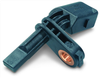
The control systems for ABS, TCS and ESC determine the wheel speed based on signals sent by the wheel speed sensors. This information is used to prevent the wheels from locking and determine when the wheels are spinning, taking appropriate control action to maintain the vehicle’s stability and steering responses. Wheel speed is measured using the anisotropic magnetoresistance (AMR) effect. This method and the integrated information processing feature enable our latest generation of sensors to handle many functions.
Benefits and Features
Measurement of rotational speed (even at low vehicle speed)
Air gap measurement
Dependable functionality with large air gaps (up to 4.5 mm between sensor and encoder)
Standardized VDA data protocol
High resistance to extreme temperatures, from -40°C to +150°C
Internal signal monitoring
Technical Data
True Zero Speed, Large speed range, Large airgap range
Standardized output protocol
Temperature range -40°C to +150°C
Self diagnosis
The control systems for ABS, TCS and ESC determine the wheel speed based on signals sent by the wheel speed sensors. This information is used to prevent the wheels from locking and determine when the wheels are spinning, taking appropriate control action to maintain the vehicle’s stability and steering responses.
Wheel speed is measured using the anisotropic magnetoresistance (AMR) effect. This method and the integrated information processing feature enable our latest generation of sensors to handle many functions.
Benefits and Features
- Measurement of rotational speed (even at low vehicle speed)
- Air gap measurement
- Dependable functionality with large air gaps (up to 4.5 mm between sensor and encoder)
- Standardized VDA data protocol
- High resistance to extreme temperatures, from -40°C to +150°C
- Internal signal monitoring
Technical Data
- True Zero Speed, Large speed range, Large airgap range
- Standardized output protocol
- Temperature range -40°C to +150°C
- Self diagnosis