Qnnect, formerly Hermetic Solutions Group Thermal Composite Packages

Description
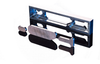
We know that our customers need options when designing hermetic packages to protect sensitive electronics. Our thermal titanium composite packaging technology with Cu/Mo heat sinks was developed to address the evolving needs of our customers. These housings use titanium as the primary material. Composite heat-sinks made of molybdenum/copper (Mo/Cu) or copper tungsten (Cu/W) are then integrated into strategic locations of the structure. This combination of titanium and Mo/Cu or Cu/W is ideal for achieving lightweight, low-coefficient of thermal expansion (CTE), and high-thermal-conduct ivity electronic packages. Electrical feedthrough pins can be hermetically sealed directly into the titanium using Qnnect, formerly Hermetic Solutions Group’s proprietary Kryoflex® ceramic to metal seals. Alternately, hermetic connectors made from explosively bonded dissimilar metals can be laser welded into position using state-of-the-art laser welding technology. Titanium is a good material choice for hermetic housings because it is commercially available, has characteristics that allow for conventional machining and provides low-density attributes. Titanium’s CTE is compatible with direct attachment of aluminum oxide and gallium-arsenide electronic circuitry. Titanium provides 300% more stiffness than aluminum and can be hermetic with walls as thin as .010′. This means an existing aluminum package can be redesigned to be stiffer, lighter, more reliable, and more thermally conductive by integrating Qnnect, formerly Hermetic Solutions Group’s titanium composite technology. Titanium is compatible with both resistance and laser welding processes for flexibility in connector integration and cover sealing. Titanium is also conducive to metal injection molding, making it a viable option for high-volume manufacturing. Titanium is well suited for electronic package construction, even though it has low thermal dissipation characteristics. By utilizing our titanium composite packaging technology (incorporating Mo/Cu or Cu/W composite heat-sinks) that characteristic becomes a non-issue. During the initial design phase, the electronic circuitry is mapped against the housing floor where hot spots are readily identified. The Mo/Cu or Cu/W composite heat sinks are then metallurgically bonded only at the locations where the housing comes into contact with the high-power devices. This limited use of the heat sink material minimizes the overall mass of the package.
Datasheet
Description
We know that our customers need options when designing hermetic packages to protect sensitive electronics. Our thermal titanium composite packaging technology with Cu/Mo heat sinks was developed to address the evolving needs of our customers. These housings use titanium as the primary material. Composite heat-sinks made of molybdenum/copper (Mo/Cu) or copper tungsten (Cu/W) are then integrated into strategic locations of the structure. This combination of titanium and Mo/Cu or Cu/W is ideal for achieving lightweight, low-coefficient of thermal expansion (CTE), and high-thermal-conduct ivity electronic packages. Electrical feedthrough pins can be hermetically sealed directly into the titanium using Qnnect, formerly Hermetic Solutions Group’s proprietary Kryoflex® ceramic to metal seals. Alternately, hermetic connectors made from explosively bonded dissimilar metals can be laser welded into position using state-of-the-art laser welding technology. Titanium is a good material choice for hermetic housings because it is commercially available, has characteristics that allow for conventional machining and provides low-density attributes. Titanium’s CTE is compatible with direct attachment of aluminum oxide and gallium-arsenide electronic circuitry. Titanium provides 300% more stiffness than aluminum and can be hermetic with walls as thin as .010′. This means an existing aluminum package can be redesigned to be stiffer, lighter, more reliable, and more thermally conductive by integrating Qnnect, formerly Hermetic Solutions Group’s titanium composite technology. Titanium is compatible with both resistance and laser welding processes for flexibility in connector integration and cover sealing. Titanium is also conducive to metal injection molding, making it a viable option for high-volume manufacturing. Titanium is well suited for electronic package construction, even though it has low thermal dissipation characteristics. By utilizing our titanium composite packaging technology (incorporating Mo/Cu or Cu/W composite heat-sinks) that characteristic becomes a non-issue. During the initial design phase, the electronic circuitry is mapped against the housing floor where hot spots are readily identified. The Mo/Cu or Cu/W composite heat sinks are then metallurgically bonded only at the locations where the housing comes into contact with the high-power devices. This limited use of the heat sink material minimizes the overall mass of the package.
Datasheet

Suppliers

Company
Product
Description
Supplier Links
Thermal Composite Packages -  - Qnnect, formerly Hermetic Solutions Group
Painesville, OH, United States
Thermal Composite Packages
We know that our customers need options when designing hermetic packages to protect sensitive electronics. Our thermal titanium composite packaging technology with Cu/Mo heat sinks was developed to address the evolving needs of our customers. These housings use titanium as the primary material. Composite heat-sinks made of molybdenum/copper (Mo/Cu) or copper tungsten (Cu/W) are then integrated into strategic locations of the structure. This combination of titanium and Mo/Cu or Cu/W is ideal for achieving lightweight, low-coefficient of thermal expansion (CTE), and high-thermal-conduct ivity electronic packages. Electrical feedthrough pins can be hermetically sealed directly into the titanium using Qnnect, formerly Hermetic Solutions Group’s proprietary Kryoflex® ceramic to metal seals. Alternately, hermetic connectors made from explosively bonded dissimilar metals can be laser welded into position using state-of-the-art laser welding technology. Titanium is a good material choice for hermetic housings because it is commercially available, has characteristics that allow for conventional machining and provides low-density attributes. Titanium’s CTE is compatible with direct attachment of aluminum oxide and gallium-arsenide electronic circuitry. Titanium provides 300% more stiffness than aluminum and can be hermetic with walls as thin as .010′. This means an existing aluminum package can be redesigned to be stiffer, lighter, more reliable, and more thermally conductive by integrating Qnnect, formerly Hermetic Solutions Group’s titanium composite technology. Titanium is compatible with both resistance and laser welding processes for flexibility in connector integration and cover sealing. Titanium is also conducive to metal injection molding, making it a viable option for high-volume manufacturing. Titanium is well suited for electronic package construction, even though it has low thermal dissipation characteristics. By utilizing our titanium composite packaging technology (incorporating Mo/Cu or Cu/W composite heat-sinks) that characteristic becomes a non-issue. During the initial design phase, the electronic circuitry is mapped against the housing floor where hot spots are readily identified. The Mo/Cu or Cu/W composite heat sinks are then metallurgically bonded only at the locations where the housing comes into contact with the high-power devices. This limited use of the heat sink material minimizes the overall mass of the package.

We know that our customers need options when designing hermetic packages to protect sensitive electronics. Our thermal titanium composite packaging technology with Cu/Mo heat sinks was developed to address the evolving needs of our customers.

These housings use titanium as the primary material. Composite heat-sinks made of molybdenum/copper (Mo/Cu) or copper tungsten (Cu/W) are then integrated into strategic locations of the structure. This combination of titanium and Mo/Cu or Cu/W is ideal for achieving lightweight, low-coefficient of thermal expansion (CTE), and high-thermal-conductivity electronic packages. Electrical feedthrough pins can be hermetically sealed directly into the titanium using Qnnect, formerly Hermetic Solutions Group’s proprietary Kryoflex® ceramic to metal seals. Alternately, hermetic connectors made from explosively bonded dissimilar metals can be laser welded into position using state-of-the-art laser welding technology.

Titanium is a good material choice for hermetic housings because it is commercially available, has characteristics that allow for conventional machining and provides low-density attributes. Titanium’s CTE is compatible with direct attachment of aluminum oxide and gallium-arsenide electronic circuitry. Titanium provides 300% more stiffness than aluminum and can be hermetic with walls as thin as .010″. This means an existing aluminum package can be redesigned to be stiffer, lighter, more reliable, and more thermally conductive by integrating Qnnect, formerly Hermetic Solutions Group’s titanium composite technology. Titanium is compatible with both resistance and laser welding processes for flexibility in connector integration and cover sealing. Titanium is also conducive to metal injection molding, making it a viable option for high-volume manufacturing.

Titanium is well suited for electronic package construction, even though it has low thermal dissipation characteristics. By utilizing our titanium composite packaging technology (incorporating Mo/Cu or Cu/W composite heat-sinks) that characteristic becomes a non-issue. During the initial design phase, the electronic circuitry is mapped against the housing floor where hot spots are readily identified. The Mo/Cu or Cu/W composite heat sinks are then metallurgically bonded only at the locations where the housing comes into contact with the high-power devices. This limited use of the heat sink material minimizes the overall mass of the package.

Supplier's Site Datasheet

Technical Specifications

  Qnnect, formerly Hermetic Solutions Group
Product Category Electronic Packages and Lids
Product Name Thermal Composite Packages
Package Material Titanium/CuMo
Unlock Full Specs
to access all available technical data

Similar Products

WWS Hermetic Package -  - OptiSpac, Inc.
Specs
Package Material Copper (optional feature); Tungsten (optional feature); Aluminum (optional feature)
Hermeticity ≤ 1x10⁻³Pa●cm3/s(He)
Insulation Resistance ≥1x10¹⁰Ω(500V●DC)
View Details
ATG Microwave Packages -  - Advanced Technology Group, Inc.
Advanced Technology Group, Inc.
View Details
Window Lids -  - Qnnect, formerly Hermetic Solutions Group
Qnnect, formerly Hermetic Solutions Group
Specs
Package Material Kovar
View Details
Infrared Sensor Metal Hermetic Package -  - OptiSpac, Inc.
Specs
Package Material Copper (optional feature); Tungsten (optional feature)
Hermeticity ≤ 1x10⁻³Pa●cm3/s(He)
Insulation Resistance ≥1x10¹⁰Ω(500V●DC)
View Details