Gelest, Inc. DIPHENYLSILANE SID4559.0

Description
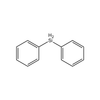
Additional Properties Hydrolytic Sensitivity 3: reacts with aqueous base Application Converts amides to aldehydes in combination with Ti(OiPr)4.2 Selective reduction of esters.3 Silylates 1,2-diols in presence of tris(pentafluorophen yl)borane.4 Used in enantioselective reduction of imines.5 Reducing agent.1 Fieser F&F: Vol. 1, p 348. Reference 2. Bower, S. et al. Angew. Chem., Int. Ed. Engl. 1996, 35, 1515. 3. Onta, T. et al. Tetrahedron Lett. 1999, 40, 6963. 4. Blackwell, J. M. et al. J. Org. Chem. 1999, 64, 4887. 5. Takai, I. et al. Organometallics 1999, 18, 2271. Safety Packaging Under Nitrogen Dialkyl Silane Reducing Agent Organosilanes are hydrocarbon-like and possess the ability to serve as both ionic and free-radical reducing agents. These reagents and their reaction by-products are safer and more easily handled and disposed than many other reducing agents. The metallic nature of silicon and its low electronegativity relative to hydrogen lead to polarization of the Si-H bond yielding a hydridic hydrogen and a milder reducing agent compared to aluminum-, boron-, and other metal-based hydrides. A summary of some key silane reductions are presented in Table 1 of the Silicon-Based Reducing Agents brochure. Diphenylsilane; Dihydridodiphenylsil ane Converts amides to aldehydes in combination with Ti(OiPr)4 Used in the preparation of silyl-substituted alkylidene complexes of tantalum Used in the ionic reduction of enones to saturated ketones Used in the reductive cyclization of unsaturated ketones Reduces esters in the presence of zinc hydride catalyst Silylates 1,2-diols in presence of tris(pentafluorophen yl)borane Reduces α-halo ketones in presence of Mo(0) Used in enantioselective reduction of imines Reduces thio esters to ethers Selective reduction of esters Reduces esters to alcohols with Rh catalysis Employed in the asymmetric reduction of methyl ketones and other ketones Reductively cleaves allyl acetates Extensive review of silicon based reducing agents: Larson, G.; Fry, J. L. "Ionic and Organometallic-Catal yzed Organosilane Reductions", Wipf, P., Ed.; Wiley, 2007
Datasheet
Description
Additional Properties Hydrolytic Sensitivity 3: reacts with aqueous base Application Converts amides to aldehydes in combination with Ti(OiPr)4.2 Selective reduction of esters.3 Silylates 1,2-diols in presence of tris(pentafluorophen yl)borane.4 Used in enantioselective reduction of imines.5 Reducing agent.1 Fieser F&F: Vol. 1, p 348. Reference 2. Bower, S. et al. Angew. Chem., Int. Ed. Engl. 1996, 35, 1515. 3. Onta, T. et al. Tetrahedron Lett. 1999, 40, 6963. 4. Blackwell, J. M. et al. J. Org. Chem. 1999, 64, 4887. 5. Takai, I. et al. Organometallics 1999, 18, 2271. Safety Packaging Under Nitrogen Dialkyl Silane Reducing Agent Organosilanes are hydrocarbon-like and possess the ability to serve as both ionic and free-radical reducing agents. These reagents and their reaction by-products are safer and more easily handled and disposed than many other reducing agents. The metallic nature of silicon and its low electronegativity relative to hydrogen lead to polarization of the Si-H bond yielding a hydridic hydrogen and a milder reducing agent compared to aluminum-, boron-, and other metal-based hydrides. A summary of some key silane reductions are presented in Table 1 of the Silicon-Based Reducing Agents brochure. Diphenylsilane; Dihydridodiphenylsil ane Converts amides to aldehydes in combination with Ti(OiPr)4 Used in the preparation of silyl-substituted alkylidene complexes of tantalum Used in the ionic reduction of enones to saturated ketones Used in the reductive cyclization of unsaturated ketones Reduces esters in the presence of zinc hydride catalyst Silylates 1,2-diols in presence of tris(pentafluorophen yl)borane Reduces α-halo ketones in presence of Mo(0) Used in enantioselective reduction of imines Reduces thio esters to ethers Selective reduction of esters Reduces esters to alcohols with Rh catalysis Employed in the asymmetric reduction of methyl ketones and other ketones Reductively cleaves allyl acetates Extensive review of silicon based reducing agents: Larson, G.; Fry, J. L. "Ionic and Organometallic-Catal yzed Organosilane Reductions", Wipf, P., Ed.; Wiley, 2007
Datasheet

Suppliers

Company
Product
Description
Supplier Links
DIPHENYLSILANE - SID4559.0 - Gelest, Inc.
Morrisville, PA, United States
DIPHENYLSILANE
SID4559.0
DIPHENYLSILANE SID4559.0
Additional Properties Hydrolytic Sensitivity 3: reacts with aqueous base Application Converts amides to aldehydes in combination with Ti(OiPr)4.2 Selective reduction of esters.3 Silylates 1,2-diols in presence of tris(pentafluorophen yl)borane.4 Used in enantioselective reduction of imines.5 Reducing agent.1 Fieser F&F: Vol. 1, p 348. Reference 2. Bower, S. et al. Angew. Chem., Int. Ed. Engl. 1996, 35, 1515. 3. Onta, T. et al. Tetrahedron Lett. 1999, 40, 6963. 4. Blackwell, J. M. et al. J. Org. Chem. 1999, 64, 4887. 5. Takai, I. et al. Organometallics 1999, 18, 2271. Safety Packaging Under Nitrogen Dialkyl Silane Reducing Agent Organosilanes are hydrocarbon-like and possess the ability to serve as both ionic and free-radical reducing agents. These reagents and their reaction by-products are safer and more easily handled and disposed than many other reducing agents. The metallic nature of silicon and its low electronegativity relative to hydrogen lead to polarization of the Si-H bond yielding a hydridic hydrogen and a milder reducing agent compared to aluminum-, boron-, and other metal-based hydrides. A summary of some key silane reductions are presented in Table 1 of the Silicon-Based Reducing Agents brochure. Diphenylsilane; Dihydridodiphenylsil ane Converts amides to aldehydes in combination with Ti(OiPr)4 Used in the preparation of silyl-substituted alkylidene complexes of tantalum Used in the ionic reduction of enones to saturated ketones Used in the reductive cyclization of unsaturated ketones Reduces esters in the presence of zinc hydride catalyst Silylates 1,2-diols in presence of tris(pentafluorophen yl)borane Reduces α-halo ketones in presence of Mo(0) Used in enantioselective reduction of imines Reduces thio esters to ethers Selective reduction of esters Reduces esters to alcohols with Rh catalysis Employed in the asymmetric reduction of methyl ketones and other ketones Reductively cleaves allyl acetates Extensive review of silicon based reducing agents: Larson, G.; Fry, J. L. "Ionic and Organometallic-Catal yzed Organosilane Reductions", Wipf, P., Ed.; Wiley, 2007
Additional Properties


  • Hydrolytic Sensitivity 3: reacts with aqueous base
    Application
    Converts amides to aldehydes in combination with Ti(OiPr)4.2 Selective reduction of esters.3 Silylates 1,2-diols in presence of tris(pentafluorophenyl)borane.4 Used in enantioselective reduction of imines.5 Reducing agent.1
    Fieser
    F&F: Vol. 1, p 348.
    Reference
    2. Bower, S. et al. Angew. Chem., Int. Ed. Engl. 1996, 35, 1515. 3. Onta, T. et al. Tetrahedron Lett. 1999, 40, 6963. 4. Blackwell, J. M. et al. J. Org. Chem. 1999, 64, 4887. 5. Takai, I. et al. Organometallics 1999, 18, 2271.
    Safety
  • Packaging Under Nitrogen
    Dialkyl Silane Reducing Agent
    Organosilanes are hydrocarbon-like and possess the ability to serve as both ionic and free-radical reducing agents. These reagents and their reaction by-products are safer and more easily handled and disposed than many other reducing agents. The metallic nature of silicon and its low electronegativity relative to hydrogen lead to polarization of the Si-H bond yielding a hydridic hydrogen and a milder reducing agent compared to aluminum-, boron-, and other metal-based hydrides. A summary of some key silane reductions are presented in Table 1 of the Silicon-Based Reducing Agents brochure.
    Diphenylsilane; Dihydridodiphenylsilane
  • Converts amides to aldehydes in combination with Ti(OiPr)4
  • Used in the preparation of silyl-substituted alkylidene complexes of tantalum
  • Used in the ionic reduction of enones to saturated ketones
  • Used in the reductive cyclization of unsaturated ketones
  • Reduces esters in the presence of zinc hydride catalyst
  • Silylates 1,2-diols in presence of tris(pentafluorophenyl)borane
  • Reduces α-halo ketones in presence of Mo(0)
  • Used in enantioselective reduction of imines
  • Reduces thio esters to ethers
  • Selective reduction of esters
  • Reduces esters to alcohols with Rh catalysis
  • Employed in the asymmetric reduction of methyl ketones and other ketones
  • Reductively cleaves allyl acetates
  • Extensive review of silicon based reducing agents: Larson, G.; Fry, J. L. "Ionic and Organometallic-Catalyzed Organosilane Reductions", Wipf, P., Ed.; Wiley, 2007
Supplier's Site Datasheet

Technical Specifications

  Gelest, Inc.
Product Category Inorganic Chemicals and Compounds
Product Number SID4559.0
Product Name DIPHENYLSILANE
Chemical Formula C 1 2 H 1 2 Si
Unlock Full Specs
to access all available technical data

Similar Products

pH Buffer 7.00 - 238918 - Hamilton Company
Hamilton Company
Specs
Type Other; Buffer
Chemical Name Potassium Dihydrogen Phosphate, di-Potassium Phosphate
Chemical Formula KH2PO4, K2HPO4
View Details
Zirconium oxide 99.3% Ø14x5mm 50pcs - 0489353 - 0489353 - Umicore Metal Deposition Solutions
Specs
State of Matter

Tablet

Purity 99.3 %
View Details
Metal Precipitants - PDB-1 - Ecologix Environmental Systems
Ecologix Environmental Systems
View Details
