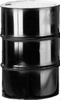
Inhibited Ethylene Glycol
Ethylene Glycols are used in applications involving secondary cooling and heat transfer, providing freeze and burst protection. Plain water and "antifreeze" type products do not have the proper inhibitor package for these heavy industrial uses.
Compared with inhibited glycols, uninhibited glycols oxidize in the presence of air and heat, forming acids. These acids can be corrosive to the metal in a system. Inhibited glycols neutralize the acids formed and thus protect against corrosion.
Applications:
Ethylene Glycol Inhibited is almost odorless, easily mixes with water, and is moderately toxic.
Ethylene Glycol Inhibited is effective from -60° to 250ºF.
The proper concentration to use is a function of the lowest anticipated temperature. Try to provide protection about 5º lower than this. However, for best corrosion protection do not go below 30% by volume.
Inhibited Ethylene Glycol
Ethylene Glycols are used in applications involving secondary cooling and heat transfer, providing freeze and burst protection. Plain water and "antifreeze" type products do not have the proper inhibitor package for these heavy industrial uses.
Compared with inhibited glycols, uninhibited glycols oxidize in the presence of air and heat, forming acids. These acids can be corrosive to the metal in a system. Inhibited glycols neutralize the acids formed and thus protect against corrosion.
Applications:
- Ethylene Glycol Inhibited is almost odorless, easily mixes with water, and is moderately toxic.
- Ethylene Glycol Inhibited is effective from -60° to 250ºF.
- The proper concentration to use is a function of the lowest anticipated temperature. Try to provide protection about 5º lower than this. However, for best corrosion protection do not go below 30% by volume.