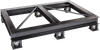
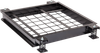
Isotech, Inc. Ceiling Mounted Vibration Hanger SB-250-SEISMIC-CABLE-BRACKET

Description
The VMC Group SB-250 Seismic Cable Brackets are for use with 1/4″ cable. The bracket is designed so that a 1/4″ cable will quickly loop under and around the head of two bolts on the flange for ease of installation. Seismic brackets are predominantly used with seismic cables in suspended piping, conduit and equipment to provide a tension restraint in the direction of the cable. Typical equipment installations utilize four lengths of cable with each one attached at a corner of the equipment. The cables are splayed at approximately 45° from the equipment. The SB-250 Brackets meet the highest quality standards. They have been independently tested, rated and are FM Approved.
Request a Quote
Description
The VMC Group SB-250 Seismic Cable Brackets are for use with 1/4″ cable. The bracket is designed so that a 1/4″ cable will quickly loop under and around the head of two bolts on the flange for ease of installation. Seismic brackets are predominantly used with seismic cables in suspended piping, conduit and equipment to provide a tension restraint in the direction of the cable. Typical equipment installations utilize four lengths of cable with each one attached at a corner of the equipment. The cables are splayed at approximately 45° from the equipment. The SB-250 Brackets meet the highest quality standards. They have been independently tested, rated and are FM Approved.
Request a Quote

Suppliers

Company
Product
Description
Supplier Links
Ceiling Mounted Vibration Hanger - SB-250-SEISMIC-CABLE-BRACKET - Isotech, Inc.
Hatfield, PA, United States
Ceiling Mounted Vibration Hanger
SB-250-SEISMIC-CABLE-BRACKET
Ceiling Mounted Vibration Hanger SB-250-SEISMIC-CABLE-BRACKET
The VMC Group SB-250 Seismic Cable Brackets are for use with 1/4″ cable. The bracket is designed so that a 1/4″ cable will quickly loop under and around the head of two bolts on the flange for ease of installation. Seismic brackets are predominantly used with seismic cables in suspended piping, conduit and equipment to provide a tension restraint in the direction of the cable. Typical equipment installations utilize four lengths of cable with each one attached at a corner of the equipment. The cables are splayed at approximately 45° from the equipment. The SB-250 Brackets meet the highest quality standards. They have been independently tested, rated and are FM Approved.

The VMC Group SB-250 Seismic Cable Brackets are for use with 1/4″ cable. The bracket is designed so that a 1/4″ cable will quickly loop under and around the head of two bolts on the flange for ease of installation. Seismic brackets are predominantly used with seismic cables in suspended piping, conduit and equipment to provide a tension restraint in the direction of the cable. Typical equipment installations utilize four lengths of cable with each one attached at a corner of the equipment. The cables are splayed at approximately 45° from the equipment. The SB-250 Brackets meet the highest quality standards. They have been independently tested, rated and are FM Approved.

Supplier's Site

Technical Specifications

  Isotech, Inc.
Product Category Shock Absorbers, Linear Dampers, and Dashpots
Product Number SB-250-SEISMIC-CABLE-BRACKET
Product Name Ceiling Mounted Vibration Hanger
Shock Absorber / Damper Type Shock Absorber
Unlock Full Specs
to access all available technical data

Similar Products

Vibration Isolator - MWIP-WALL-ISOLATION-PAD - Isotech, Inc.
Specs
Shock Absorber / Damper Type Elastomeric; Shock Absorber
View Details
Vibration Isolator - CPF-FAN-AND-MOTOR-INERTIA-BASES - Isotech, Inc.
Specs
Shock Absorber / Damper Type Shock Absorber
Dampening Method Mechanical
View Details
Ceiling Mounted Vibration Hanger - HRSA-SPRING-&-ELASTOMERIC-ANGULARITY-HANGERS - Isotech, Inc.
Specs
Shock Absorber / Damper Type Elastomeric; Shock Absorber
Dampening Method Mechanical
View Details
Spring Floor Mounted Non-Seismic Isolator - DE-ISOLATORS - Isotech, Inc.
Specs
Shock Absorber / Damper Type Shock Absorber
Dampening Method Mechanical
View Details