GEA Process Engineering Inc. TVR & MVR Systems

Description
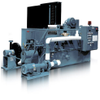
Thermal Vapor Recompression (TVR) In multiple-effect evaporators with TVR, the heating medium in the first calandria is the product vapor from one of the associated effects, compressed to a higher temperature level by means of a steam ejector (TVR). The heating medium in any subsequent effect is the vapor generated in the previous calandria. Vapor from the final effect is condensed with incoming product, supplemented by cooling water if necessary. The condensate can be used a boiler feedwater, CIP liquid, or for preheating the drying air of an associated spray dryer. Mechanical Vapor Recompression (MVR) In evaporators with MVR, the heating medium in the first effect is vapor developed in the same effect, compressed to a higher temperature by means of a high-pressure fan (MVR). Any excess vapor from the high heat section is condensed or may be utilized in a high concentrator. The condensate temperature is, however, too low for further beneficial waste heat utilization. Energy Consumption Since prices for steam and electricity vary by region, the choice between MVR and TVR (and in the case of TVR, the number of stages) depends on local prices, possible utilization of hot condensate, and depreciation of the capital cost. Both systems produce the same product quality as long as certain critical design parameter requirements are met. Features External straight tube preheaters give short residence time, better deaeration of the calandrias, and easy inspection and cleaning. Pasteurizing systems (indirect or direct) meet the most stringent product specifications. Static liquid distribution system ensures that all tubes in the calandrias receive equal amounts of liquid at all times and can accept wide variations in liquid flow and flash vapor. Niro's freestanding design reduces floor space requirements and building costs, and is flexible in arrangement for installation in existing buildings. Efficient liquid-vapor separation results from controlled vapor velocities with tangential inlet and outlet ensuring minimum pressure losses. Cleaning costs are minimized by CIP procedures, which may be fully automated. Instrumentation is per customer requirements, including PLC controllers that can optimize product output and quality.
Description
Thermal Vapor Recompression (TVR) In multiple-effect evaporators with TVR, the heating medium in the first calandria is the product vapor from one of the associated effects, compressed to a higher temperature level by means of a steam ejector (TVR). The heating medium in any subsequent effect is the vapor generated in the previous calandria. Vapor from the final effect is condensed with incoming product, supplemented by cooling water if necessary. The condensate can be used a boiler feedwater, CIP liquid, or for preheating the drying air of an associated spray dryer. Mechanical Vapor Recompression (MVR) In evaporators with MVR, the heating medium in the first effect is vapor developed in the same effect, compressed to a higher temperature by means of a high-pressure fan (MVR). Any excess vapor from the high heat section is condensed or may be utilized in a high concentrator. The condensate temperature is, however, too low for further beneficial waste heat utilization. Energy Consumption Since prices for steam and electricity vary by region, the choice between MVR and TVR (and in the case of TVR, the number of stages) depends on local prices, possible utilization of hot condensate, and depreciation of the capital cost. Both systems produce the same product quality as long as certain critical design parameter requirements are met. Features External straight tube preheaters give short residence time, better deaeration of the calandrias, and easy inspection and cleaning. Pasteurizing systems (indirect or direct) meet the most stringent product specifications. Static liquid distribution system ensures that all tubes in the calandrias receive equal amounts of liquid at all times and can accept wide variations in liquid flow and flash vapor. Niro's freestanding design reduces floor space requirements and building costs, and is flexible in arrangement for installation in existing buildings. Efficient liquid-vapor separation results from controlled vapor velocities with tangential inlet and outlet ensuring minimum pressure losses. Cleaning costs are minimized by CIP procedures, which may be fully automated. Instrumentation is per customer requirements, including PLC controllers that can optimize product output and quality.

Suppliers

Company
Product
Description
Supplier Links
TVR & MVR Systems -  - GEA Process Engineering Inc.
Columbia, MD, USA
TVR & MVR Systems
TVR & MVR Systems
Thermal Vapor Recompression (TVR) In multiple-effect evaporators with TVR, the heating medium in the first calandria is the product vapor from one of the associated effects, compressed to a higher temperature level by means of a steam ejector (TVR). The heating medium in any subsequent effect is the vapor generated in the previous calandria. Vapor from the final effect is condensed with incoming product, supplemented by cooling water if necessary. The condensate can be used a boiler feedwater, CIP liquid, or for preheating the drying air of an associated spray dryer. Mechanical Vapor Recompression (MVR) In evaporators with MVR, the heating medium in the first effect is vapor developed in the same effect, compressed to a higher temperature by means of a high-pressure fan (MVR). Any excess vapor from the high heat section is condensed or may be utilized in a high concentrator. The condensate temperature is, however, too low for further beneficial waste heat utilization. Energy Consumption Since prices for steam and electricity vary by region, the choice between MVR and TVR (and in the case of TVR, the number of stages) depends on local prices, possible utilization of hot condensate, and depreciation of the capital cost. Both systems produce the same product quality as long as certain critical design parameter requirements are met. Features External straight tube preheaters give short residence time, better deaeration of the calandrias, and easy inspection and cleaning. Pasteurizing systems (indirect or direct) meet the most stringent product specifications. Static liquid distribution system ensures that all tubes in the calandrias receive equal amounts of liquid at all times and can accept wide variations in liquid flow and flash vapor. Niro's freestanding design reduces floor space requirements and building costs, and is flexible in arrangement for installation in existing buildings. Efficient liquid-vapor separation results from controlled vapor velocities with tangential inlet and outlet ensuring minimum pressure losses. Cleaning costs are minimized by CIP procedures, which may be fully automated. Instrumentation is per customer requirements, including PLC controllers that can optimize product output and quality.
Thermal Vapor Recompression (TVR)

In multiple-effect evaporators with TVR, the heating medium in the first calandria is the product vapor from one of the associated effects, compressed to a higher temperature level by means of a steam ejector (TVR). The heating medium in any subsequent effect is the vapor generated in the previous calandria. Vapor from the final effect is condensed with incoming product, supplemented by cooling water if necessary. The condensate can be used a boiler feedwater, CIP liquid, or for preheating the drying air of an associated spray dryer.

Mechanical Vapor Recompression (MVR)

In evaporators with MVR, the heating medium in the first effect is vapor developed in the same effect, compressed to a higher temperature by means of a high-pressure fan (MVR). Any excess vapor from the high heat section is condensed or may be utilized in a high concentrator. The condensate temperature is, however, too low for further beneficial waste heat utilization.

Energy Consumption

Since prices for steam and electricity vary by region, the choice between MVR and TVR (and in the case of TVR, the number of stages) depends on local prices, possible utilization of hot condensate, and depreciation of the capital cost. Both systems produce the same product quality as long as certain critical design parameter requirements are met.

Features

  • External straight tube preheaters give short residence time, better deaeration of the calandrias, and easy inspection and cleaning.
  • Pasteurizing systems (indirect or direct) meet the most stringent product specifications.
  • Static liquid distribution system ensures that all tubes in the calandrias receive equal amounts of liquid at all times and can accept wide variations in liquid flow and flash vapor.
  • Niro's freestanding design reduces floor space requirements and building costs, and is flexible in arrangement for installation in existing buildings.
  • Efficient liquid-vapor separation results from controlled vapor velocities with tangential inlet and outlet ensuring minimum pressure losses.
  • Cleaning costs are minimized by CIP procedures, which may be fully automated.
  • Instrumentation is per customer requirements, including PLC controllers that can optimize product output and quality.

Supplier's Site

Technical Specifications

  GEA Process Engineering Inc.
Product Category Evaporators
Product Name TVR & MVR Systems
Unlock Full Specs
to access all available technical data

Similar Products

EVAPOWAY Electric Condensate Evaporators - RM Series - Backer-Springfield
Specs
Application Commercial Refrigeration, HVAC, and Vertical Transportation (elevators)
View Details
IB-29510VET Vacuum Evaporator -  - JEOL USA, Inc.
Specs
Power Source Electric
View Details
CEM-System Liquid Delivery System with Vapour Control, VDM-Series - SW-100 - Bronkhorst USA
Specs
Application Chemical; CoatingEtching; Research & Development; Semiconductor Manufacturing; Solar Industries, Gas Chromatographs and Mass Spectrometers, Anesthetic Delivery, Humidification of Fuel Cells
Type Thermal
Materials of Construction SS316, Viton/Kalrez Seals, Kalrez Plungers
View Details