FX PCB Co., Ltd. Rigid-Flex PCB 6 Layer

Description
Description Rigid-Flex Circuits Benefits Rigid-Flex PCB are used extensively in applications and industries including: Communications Industrial Consumer Electronics Aerospace Automotive Medical Transportation Rigid-Flex PCB Capability: Items Mass Production Low Volume Total Layers 2~16L 20L Layers of sofe 10L 16L PCB Thickness ≤2.4mm / Line width/Line space Inner layer 3mil/3mil (HOz) 2.5mil/2.5mil (HOz) Outer layer 4mil/4mil (1Oz) 3mil/3mil (1Oz) Hole Ring ≥6mil 4mil Impedance Control +/-10% / Drilling Machine drilling ≥8mil 6mil Laser drilling 5mil/6mil 4mil Aspect Ratio 10:01 16:01 Surface Coating ENIG, Immersion Silver, Immersion Tin, OSP Rigid-flex Attributes: Material Fr4+PI Layers 6L buried holes 2-4Layer Copper thickness 1oz Board thickness 1mm Surface treatment HAL Leadfree Track width/Space 5/5mil Hole size 0.3mm What is a Rigid-Flex PCB? As the name suggests, a flexible printed circuit is a pattern of conductors printed onto a flexible insulating film. Rigid-flex is the name given to a printed circuit that is a combination of both flexible circuit(s) and rigid circuit(s), as shown in the image above. This combination is ideal for exploiting the benefits of both flexible and rigid circuits – the rigid circuits can carry all or the bulk of the components, with the flexible sections acting as interconnections between the rigid sections. Rigid flex printed circuit boards are boards using a combination of flexible and rigid board technologies in an application. Most rigid flex boards consist of multiple layers of flexible circuit substrates attached to one or more rigid boards externally and/or internally, depending upon the design of the application. Designing a flex or rigid-flex circuit is very much an electromechanical process. Designing any PCB is a 3 dimensional design process, but for a flex or rigid-flex design the 3 dimensional requirements are much more important. Why, because the rigid-flex board may attach to multiple surfaces within the product enclosure, and this attachment will probably happen as part of the product assembly process. To ensure that all sections of the finished board fit in their folded location within the enclosure, it is strongly recommended that a mechanical mock up (also known as a paper doll cut out) is created. This process must be as accurate and realistic as possible with all possible mechanical and hardware elements included, and both the assembly-time phase and the finished assembly must be carefully analyzed. Benefits of Rigid-Flex PCBs • Space requirements can be minimized by applying 3D • By removing the need for connectors and cables between the individual rigid parts, the board size and overall system weight can be reduced. • By maximizing space, there is often a lower count in parts. • Fewer solder joints assure higher connection reliability. • Handling during assembly is easier in comparison with flexible boards. • Simplified PCB assembly processes. • Integrated ZIF contacts provide simple modular interfaces to the system environment. • Test conditions are simplified. A complete test before installation becomes possible. • Logistical and assembly costs are significantly reduced with Rigid-Flex boards. • It is possible to increase the complexity of mechanical designs, which also improves the degree of freedom for optimized housing solutions.
Request a Quote
Description
Description Rigid-Flex Circuits Benefits Rigid-Flex PCB are used extensively in applications and industries including: Communications Industrial Consumer Electronics Aerospace Automotive Medical Transportation Rigid-Flex PCB Capability: Items Mass Production Low Volume Total Layers 2~16L 20L Layers of sofe 10L 16L PCB Thickness ≤2.4mm / Line width/Line space Inner layer 3mil/3mil (HOz) 2.5mil/2.5mil (HOz) Outer layer 4mil/4mil (1Oz) 3mil/3mil (1Oz) Hole Ring ≥6mil 4mil Impedance Control +/-10% / Drilling Machine drilling ≥8mil 6mil Laser drilling 5mil/6mil 4mil Aspect Ratio 10:01 16:01 Surface Coating ENIG, Immersion Silver, Immersion Tin, OSP Rigid-flex Attributes: Material Fr4+PI Layers 6L buried holes 2-4Layer Copper thickness 1oz Board thickness 1mm Surface treatment HAL Leadfree Track width/Space 5/5mil Hole size 0.3mm What is a Rigid-Flex PCB? As the name suggests, a flexible printed circuit is a pattern of conductors printed onto a flexible insulating film. Rigid-flex is the name given to a printed circuit that is a combination of both flexible circuit(s) and rigid circuit(s), as shown in the image above. This combination is ideal for exploiting the benefits of both flexible and rigid circuits – the rigid circuits can carry all or the bulk of the components, with the flexible sections acting as interconnections between the rigid sections. Rigid flex printed circuit boards are boards using a combination of flexible and rigid board technologies in an application. Most rigid flex boards consist of multiple layers of flexible circuit substrates attached to one or more rigid boards externally and/or internally, depending upon the design of the application. Designing a flex or rigid-flex circuit is very much an electromechanical process. Designing any PCB is a 3 dimensional design process, but for a flex or rigid-flex design the 3 dimensional requirements are much more important. Why, because the rigid-flex board may attach to multiple surfaces within the product enclosure, and this attachment will probably happen as part of the product assembly process. To ensure that all sections of the finished board fit in their folded location within the enclosure, it is strongly recommended that a mechanical mock up (also known as a paper doll cut out) is created. This process must be as accurate and realistic as possible with all possible mechanical and hardware elements included, and both the assembly-time phase and the finished assembly must be carefully analyzed. Benefits of Rigid-Flex PCBs • Space requirements can be minimized by applying 3D • By removing the need for connectors and cables between the individual rigid parts, the board size and overall system weight can be reduced. • By maximizing space, there is often a lower count in parts. • Fewer solder joints assure higher connection reliability. • Handling during assembly is easier in comparison with flexible boards. • Simplified PCB assembly processes. • Integrated ZIF contacts provide simple modular interfaces to the system environment. • Test conditions are simplified. A complete test before installation becomes possible. • Logistical and assembly costs are significantly reduced with Rigid-Flex boards. • It is possible to increase the complexity of mechanical designs, which also improves the degree of freedom for optimized housing solutions.
Request a Quote

Suppliers

Company
Product
Description
Supplier Links
Rigid-Flex PCB 6 Layer -  - FX PCB Co., Ltd.
Shenzhen, Guangdong, China
Rigid-Flex PCB 6 Layer
Description Rigid-Flex Circuits Benefits Rigid-Flex PCB are used extensively in applications and industries including: Communications Industrial Consumer Electronics Aerospace Automotive Medical Transportation Rigid-Flex PCB Capability: Items Mass Production Low Volume Total Layers 2~16L 20L Layers of sofe 10L 16L PCB Thickness ≤2.4mm / Line width/Line space Inner layer 3mil/3mil (HOz) 2.5mil/2.5mil (HOz) Outer layer 4mil/4mil (1Oz) 3mil/3mil (1Oz) Hole Ring ≥6mil 4mil Impedance Control +/-10% / Drilling Machine drilling ≥8mil 6mil Laser drilling 5mil/6mil 4mil Aspect Ratio 10:01 16:01 Surface Coating ENIG, Immersion Silver, Immersion Tin, OSP Rigid-flex Attributes: Material Fr4+PI Layers 6L buried holes 2-4Layer Copper thickness 1oz Board thickness 1mm Surface treatment HAL Leadfree Track width/Space 5/5mil Hole size 0.3mm What is a Rigid-Flex PCB? As the name suggests, a flexible printed circuit is a pattern of conductors printed onto a flexible insulating film. Rigid-flex is the name given to a printed circuit that is a combination of both flexible circuit(s) and rigid circuit(s), as shown in the image above. This combination is ideal for exploiting the benefits of both flexible and rigid circuits – the rigid circuits can carry all or the bulk of the components, with the flexible sections acting as interconnections between the rigid sections. Rigid flex printed circuit boards are boards using a combination of flexible and rigid board technologies in an application. Most rigid flex boards consist of multiple layers of flexible circuit substrates attached to one or more rigid boards externally and/or internally, depending upon the design of the application. Designing a flex or rigid-flex circuit is very much an electromechanical process. Designing any PCB is a 3 dimensional design process, but for a flex or rigid-flex design the 3 dimensional requirements are much more important. Why, because the rigid-flex board may attach to multiple surfaces within the product enclosure, and this attachment will probably happen as part of the product assembly process. To ensure that all sections of the finished board fit in their folded location within the enclosure, it is strongly recommended that a mechanical mock up (also known as a paper doll cut out) is created. This process must be as accurate and realistic as possible with all possible mechanical and hardware elements included, and both the assembly-time phase and the finished assembly must be carefully analyzed. Benefits of Rigid-Flex PCBs • Space requirements can be minimized by applying 3D • By removing the need for connectors and cables between the individual rigid parts, the board size and overall system weight can be reduced. • By maximizing space, there is often a lower count in parts. • Fewer solder joints assure higher connection reliability. • Handling during assembly is easier in comparison with flexible boards. • Simplified PCB assembly processes. • Integrated ZIF contacts provide simple modular interfaces to the system environment. • Test conditions are simplified. A complete test before installation becomes possible. • Logistical and assembly costs are significantly reduced with Rigid-Flex boards. • It is possible to increase the complexity of mechanical designs, which also improves the degree of freedom for optimized housing solutions.

Description

Rigid-Flex Circuits Benefits

Rigid-Flex PCB are used extensively in applications and industries including:


  • Communications
  • Industrial
  • Consumer Electronics
  • Aerospace
  • Automotive
  • Medical
  • Transportation

Rigid-Flex PCB Capability:

Items Mass Production Low Volume
Total Layers 2~16L 20L
Layers of sofe 10L 16L
PCB Thickness ≤2.4mm /
Line width/Line space Inner layer 3mil/3mil (HOz) 2.5mil/2.5mil (HOz)
Outer layer 4mil/4mil (1Oz) 3mil/3mil (1Oz)
Hole Ring ≥6mil 4mil
Impedance Control +/-10% /
Drilling Machine drilling ≥8mil 6mil
Laser drilling 5mil/6mil 4mil
Aspect Ratio 10:01 16:01
Surface Coating ENIG, Immersion Silver, Immersion Tin, OSP

Rigid-flex Attributes:

Material Fr4+PI
Layers 6L buried holes 2-4Layer
Copper thickness 1oz
Board thickness 1mm
Surface treatment HAL Leadfree
Track width/Space 5/5mil
Hole size 0.3mm

What is a Rigid-Flex PCB?

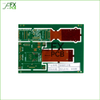
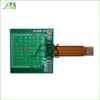
As the name suggests, a flexible printed circuit is a pattern of conductors printed onto a flexible insulating film. Rigid-flex is the name given to a printed circuit that is a combination of both flexible circuit(s) and rigid circuit(s), as shown in the image above. This combination is ideal for exploiting the benefits of both flexible and rigid circuits – the rigid circuits can carry all or the bulk of the components, with the flexible sections acting as interconnections between the rigid sections.
Rigid flex printed circuit boards are boards using a combination of flexible and rigid board technologies in an application.
Most rigid flex boards consist of multiple layers of flexible circuit substrates attached to one or more rigid boards externally and/or internally, depending upon the design of the application.
Designing a flex or rigid-flex circuit is very much an electromechanical process. Designing any PCB is a 3 dimensional design process, but for a flex or rigid-flex design the 3 dimensional requirements are much more important. Why, because the rigid-flex board may attach to multiple surfaces within the product enclosure, and this attachment will probably happen as part of the product assembly process. To ensure that all sections of the finished board fit in their folded location within the enclosure, it is strongly recommended that a mechanical mock up (also known as a paper doll cut out) is created. This process must be as accurate and realistic as possible with all possible mechanical and hardware elements included, and both the assembly-time phase and the finished assembly must be carefully analyzed.

Benefits of Rigid-Flex PCBs

• Space requirements can be minimized by applying 3D

• By removing the need for connectors and cables between the individual rigid parts, the board size and overall system weight can be reduced.

• By maximizing space, there is often a lower count in parts.

• Fewer solder joints assure higher connection reliability.

• Handling during assembly is easier in comparison with flexible boards.

• Simplified PCB assembly processes.

• Integrated ZIF contacts provide simple modular interfaces to the system environment.

• Test conditions are simplified. A complete test before installation becomes possible.

• Logistical and assembly costs are significantly reduced with Rigid-Flex boards.

• It is possible to increase the complexity of mechanical designs, which also improves the degree of freedom for optimized housing solutions.

Supplier's Site

Technical Specifications

  FX PCB Co., Ltd.
Product Category Printed Circuit Substrate Materials (PCB / PWB)
Product Name Rigid-Flex PCB 6 Layer
Type Film / Flexible; Rigid
Unlock Full Specs
to access all available technical data

Similar Products

Rigid Flex PCB 6 -  - FX PCB Co., Ltd.
FX PCB Co., Ltd.
Specs
Type Film / Flexible; Rigid
Thickness 0.0945 inches (2.4 mm)
View Details
Ceramic PCB 14 -  - FX PCB Co., Ltd.
FX PCB Co., Ltd.
Specs
Materials AIN, AI203
Thickness 0.0098 to 0.1181 inches (0.2500 to 3 mm)
Resistivity 10 ohm-cm
View Details
400W/MK Copper Base PCB -  - FX PCB Co., Ltd.
Specs
Materials Aluminum Foil; Copper Foil; Domestic Aluminum,Domestic copper,lmported aluminum, lmported copper
Thickness 0.0197 to 0.1969 inches (0.5000 to 5 mm)
View Details