ToneCooling Technology Co., Ltd Custom Computer Heat Sink

Description
Heat Sink offers an advanced solution to computer heat management, ensuring that your system’s components run efficiently even under heavy workloads. ToneCooling focuses on precision and customization, offering high performance computer heat sinks tailored to your specific needs. Key Features of Computer Heat Sinks Custom Cooling Design: Each heat sink is crafted to perfectly match the size, shape, and cooling needs of your components. This custom fit ensures that the heat is dissipated as efficiently as possible. High-Quality Materials: Computer heat sinks are made from premium materials like aluminum or copper, both of which offer excellent thermal conductivity. Copper, in particular, is known for its superior heat-dissipating properties. Optimized Airflow: ToneCooling’s computer heat sinks take airflow into account. By ensuring that the heat sink is positioned to allow optimal airflow, these systems can effectively reduce the buildup of heat. Compact and Space-Efficient: Heat sinks are designed not only for performance but also for space efficiency. They fit seamlessly into your computer case, reducing the need for bulky, loud, and inefficient cooling solutions like large fans. Heat sinks play a critical role in maintaining the optimal performance of computers by regulating temperatures. In a computer, heat is generated by components like the CPU, GPU, and power supply. If left unchecked, this heat can cause these components to overheat, leading to system instability, reduced performance, or even permanent damage. A heat sink absorbs and dissipates this excess heat. It is typically made from metals like aluminum or copper, which are excellent conductors of heat. The heat sink is attached directly to the heat-producing component, and its design maximizes surface area to efficiently transfer heat away from the processor. The larger the surface area, the more heat the sink can dissipate, keeping the system cool. Prevents Overheating: By removing excess heat, heat sinks prevent internal components from overheating, which can cause system crashes or shorten the lifespan of critical parts. Improves Performance: When components remain cooler, they can run at optimal speeds without throttling, improving overall system performance. Enhances Longevity: Heat sinks contribute to a longer lifespan for hardware by maintaining a stable operating temperature and preventing heat-related wear and tear. Cost-Effective: Using a heat sink is a relatively inexpensive method to cool a system compared to other complex cooling methods, such as liquid cooling. CPU Cooling Heat sinks are directly attached to the CPU to absorb and dissipate heat, preventing thermal throttling and ensuring the processor runs at full speed without overheating. GPU Cooling Graphics processing units (GPUs) produce significant heat, especially during gaming or rendering tasks. Heat sinks help manage this heat, allowing the GPU to perform optimally and preventing overheating. Power Supply Unit (PSU) Cooling PSUs convert power for the entire system and generate heat in the process. Heat sinks in PSUs help maintain efficiency and prevent excess heat from damaging the power supply or other components. Motherboard Chipset Cooling The chipset on the motherboard is responsible for managing communication between the CPU, memory, and other components. Heat sinks are used to cool the chipset, preventing overheating that could affect system performance. RAM Cooling For high-performance systems, especially gaming PCs, heat sinks are applied to memory modules (RAM) to prevent heat buildup, ensuring that memory runs efficiently during intense tasks. Hard Drive & SSD Cooling While hard drives and SSDs don’t produce as much heat as processors, adding heat sinks can help maintain their performance and extend their lifespan by preventing overheating, especially in high-storage systems. Server Cooling In servers, where high-demand tasks are constantly running, heat sinks help cool processors and other components to ensure reliable and continuous operation without thermal issues. A Custom Computer Heat Sink is the ideal solution for those who demand the best in performance, cooling efficiency, and system longevity. With a tailored approach to thermal management, these computers ensure that your system runs smoothly even under the most strenuous workloads. Whether you’re a gamer, content creator, or professional user, investing in a custom heat sink provides a cooling solution that offers peak performance, reliability, and a quieter computing experience. If you’re looking to take your system to the next level, a custom heat sink is the way to go. Nvidia Al GPU Liquid Cooling Server 3000W GPU liquid cooling cold plates for AI servers are becoming essential as AI […] This comprehensive guide covers to decide which cpu solutions for industrial and OEM applications. ToneCooling provides expert insights on to […] This comprehensive guide covers the role of heatsinks solutions for industrial and OEM applications. ToneCooling provides expert insights on the […] This comprehensive guide covers a guide to different solutions for industrial and OEM applications. ToneCooling provides expert insights on a […] This comprehensive guide covers how are heat sinks solutions for industrial and OEM applications. ToneCooling provides expert insights on how […] What Is Choosing Heat Sink Computers Cpu? This guide on Choosing the right heat provides key insights for engineers and […] Introduction — Heat sink skiving Heat sink skiving is a big deal in the electronics industry. This involves taking a […] What Is Heat Sink Fan? This guide on Heat sink vs fan provides key insights for engineers and procurement teams. […]

Request a Quote
Description
Heat Sink offers an advanced solution to computer heat management, ensuring that your system’s components run efficiently even under heavy workloads. ToneCooling focuses on precision and customization, offering high performance computer heat sinks tailored to your specific needs. Key Features of Computer Heat Sinks Custom Cooling Design: Each heat sink is crafted to perfectly match the size, shape, and cooling needs of your components. This custom fit ensures that the heat is dissipated as efficiently as possible. High-Quality Materials: Computer heat sinks are made from premium materials like aluminum or copper, both of which offer excellent thermal conductivity. Copper, in particular, is known for its superior heat-dissipating properties. Optimized Airflow: ToneCooling’s computer heat sinks take airflow into account. By ensuring that the heat sink is positioned to allow optimal airflow, these systems can effectively reduce the buildup of heat. Compact and Space-Efficient: Heat sinks are designed not only for performance but also for space efficiency. They fit seamlessly into your computer case, reducing the need for bulky, loud, and inefficient cooling solutions like large fans. Heat sinks play a critical role in maintaining the optimal performance of computers by regulating temperatures. In a computer, heat is generated by components like the CPU, GPU, and power supply. If left unchecked, this heat can cause these components to overheat, leading to system instability, reduced performance, or even permanent damage. A heat sink absorbs and dissipates this excess heat. It is typically made from metals like aluminum or copper, which are excellent conductors of heat. The heat sink is attached directly to the heat-producing component, and its design maximizes surface area to efficiently transfer heat away from the processor. The larger the surface area, the more heat the sink can dissipate, keeping the system cool. Prevents Overheating: By removing excess heat, heat sinks prevent internal components from overheating, which can cause system crashes or shorten the lifespan of critical parts. Improves Performance: When components remain cooler, they can run at optimal speeds without throttling, improving overall system performance. Enhances Longevity: Heat sinks contribute to a longer lifespan for hardware by maintaining a stable operating temperature and preventing heat-related wear and tear. Cost-Effective: Using a heat sink is a relatively inexpensive method to cool a system compared to other complex cooling methods, such as liquid cooling. CPU Cooling Heat sinks are directly attached to the CPU to absorb and dissipate heat, preventing thermal throttling and ensuring the processor runs at full speed without overheating. GPU Cooling Graphics processing units (GPUs) produce significant heat, especially during gaming or rendering tasks. Heat sinks help manage this heat, allowing the GPU to perform optimally and preventing overheating. Power Supply Unit (PSU) Cooling PSUs convert power for the entire system and generate heat in the process. Heat sinks in PSUs help maintain efficiency and prevent excess heat from damaging the power supply or other components. Motherboard Chipset Cooling The chipset on the motherboard is responsible for managing communication between the CPU, memory, and other components. Heat sinks are used to cool the chipset, preventing overheating that could affect system performance. RAM Cooling For high-performance systems, especially gaming PCs, heat sinks are applied to memory modules (RAM) to prevent heat buildup, ensuring that memory runs efficiently during intense tasks. Hard Drive & SSD Cooling While hard drives and SSDs don’t produce as much heat as processors, adding heat sinks can help maintain their performance and extend their lifespan by preventing overheating, especially in high-storage systems. Server Cooling In servers, where high-demand tasks are constantly running, heat sinks help cool processors and other components to ensure reliable and continuous operation without thermal issues. A Custom Computer Heat Sink is the ideal solution for those who demand the best in performance, cooling efficiency, and system longevity. With a tailored approach to thermal management, these computers ensure that your system runs smoothly even under the most strenuous workloads. Whether you’re a gamer, content creator, or professional user, investing in a custom heat sink provides a cooling solution that offers peak performance, reliability, and a quieter computing experience. If you’re looking to take your system to the next level, a custom heat sink is the way to go. Nvidia Al GPU Liquid Cooling Server 3000W GPU liquid cooling cold plates for AI servers are becoming essential as AI […] This comprehensive guide covers to decide which cpu solutions for industrial and OEM applications. ToneCooling provides expert insights on to […] This comprehensive guide covers the role of heatsinks solutions for industrial and OEM applications. ToneCooling provides expert insights on the […] This comprehensive guide covers a guide to different solutions for industrial and OEM applications. ToneCooling provides expert insights on a […] This comprehensive guide covers how are heat sinks solutions for industrial and OEM applications. ToneCooling provides expert insights on how […] What Is Choosing Heat Sink Computers Cpu? This guide on Choosing the right heat provides key insights for engineers and […] Introduction — Heat sink skiving Heat sink skiving is a big deal in the electronics industry. This involves taking a […] What Is Heat Sink Fan? This guide on Heat sink vs fan provides key insights for engineers and procurement teams. […]
Request a Quote

Suppliers

Company
Product
Description
Supplier Links
Custom Computer Heat Sink -  - ToneCooling Technology Co., Ltd
Huizhou City, China
Custom Computer Heat Sink
Heat Sink offers an advanced solution to computer heat management, ensuring that your system’s components run efficiently even under heavy workloads. ToneCooling focuses on precision and customization, offering high performance computer heat sinks tailored to your specific needs. Key Features of Computer Heat Sinks Custom Cooling Design: Each heat sink is crafted to perfectly match the size, shape, and cooling needs of your components. This custom fit ensures that the heat is dissipated as efficiently as possible. High-Quality Materials: Computer heat sinks are made from premium materials like aluminum or copper, both of which offer excellent thermal conductivity. Copper, in particular, is known for its superior heat-dissipating properties. Optimized Airflow: ToneCooling’s computer heat sinks take airflow into account. By ensuring that the heat sink is positioned to allow optimal airflow, these systems can effectively reduce the buildup of heat. Compact and Space-Efficient: Heat sinks are designed not only for performance but also for space efficiency. They fit seamlessly into your computer case, reducing the need for bulky, loud, and inefficient cooling solutions like large fans. Heat sinks play a critical role in maintaining the optimal performance of computers by regulating temperatures. In a computer, heat is generated by components like the CPU, GPU, and power supply. If left unchecked, this heat can cause these components to overheat, leading to system instability, reduced performance, or even permanent damage. A heat sink absorbs and dissipates this excess heat. It is typically made from metals like aluminum or copper, which are excellent conductors of heat. The heat sink is attached directly to the heat-producing component, and its design maximizes surface area to efficiently transfer heat away from the processor. The larger the surface area, the more heat the sink can dissipate, keeping the system cool. Prevents Overheating: By removing excess heat, heat sinks prevent internal components from overheating, which can cause system crashes or shorten the lifespan of critical parts. Improves Performance: When components remain cooler, they can run at optimal speeds without throttling, improving overall system performance. Enhances Longevity: Heat sinks contribute to a longer lifespan for hardware by maintaining a stable operating temperature and preventing heat-related wear and tear. Cost-Effective: Using a heat sink is a relatively inexpensive method to cool a system compared to other complex cooling methods, such as liquid cooling. CPU Cooling Heat sinks are directly attached to the CPU to absorb and dissipate heat, preventing thermal throttling and ensuring the processor runs at full speed without overheating. GPU Cooling Graphics processing units (GPUs) produce significant heat, especially during gaming or rendering tasks. Heat sinks help manage this heat, allowing the GPU to perform optimally and preventing overheating. Power Supply Unit (PSU) Cooling PSUs convert power for the entire system and generate heat in the process. Heat sinks in PSUs help maintain efficiency and prevent excess heat from damaging the power supply or other components. Motherboard Chipset Cooling The chipset on the motherboard is responsible for managing communication between the CPU, memory, and other components. Heat sinks are used to cool the chipset, preventing overheating that could affect system performance. RAM Cooling For high-performance systems, especially gaming PCs, heat sinks are applied to memory modules (RAM) to prevent heat buildup, ensuring that memory runs efficiently during intense tasks. Hard Drive & SSD Cooling While hard drives and SSDs don’t produce as much heat as processors, adding heat sinks can help maintain their performance and extend their lifespan by preventing overheating, especially in high-storage systems. Server Cooling In servers, where high-demand tasks are constantly running, heat sinks help cool processors and other components to ensure reliable and continuous operation without thermal issues. A Custom Computer Heat Sink is the ideal solution for those who demand the best in performance, cooling efficiency, and system longevity. With a tailored approach to thermal management, these computers ensure that your system runs smoothly even under the most strenuous workloads. Whether you’re a gamer, content creator, or professional user, investing in a custom heat sink provides a cooling solution that offers peak performance, reliability, and a quieter computing experience. If you’re looking to take your system to the next level, a custom heat sink is the way to go. Nvidia Al GPU Liquid Cooling Server 3000W GPU liquid cooling cold plates for AI servers are becoming essential as AI […] This comprehensive guide covers to decide which cpu solutions for industrial and OEM applications. ToneCooling provides expert insights on to […] This comprehensive guide covers the role of heatsinks solutions for industrial and OEM applications. ToneCooling provides expert insights on the […] This comprehensive guide covers a guide to different solutions for industrial and OEM applications. ToneCooling provides expert insights on a […] This comprehensive guide covers how are heat sinks solutions for industrial and OEM applications. ToneCooling provides expert insights on how […] What Is Choosing Heat Sink Computers Cpu? This guide on Choosing the right heat provides key insights for engineers and […] Introduction — Heat sink skiving Heat sink skiving is a big deal in the electronics industry. This involves taking a […] What Is Heat Sink Fan? This guide on Heat sink vs fan provides key insights for engineers and procurement teams. […]

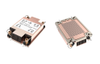
Heat Sink offers an advanced solution to computer heat management, ensuring that your system’s components run efficiently even under heavy workloads. ToneCooling focuses on precision and customization, offering high performance computer heat sinks tailored to your specific needs.


Key Features of Computer Heat Sinks

  • Custom Cooling Design: Each heat sink is crafted to perfectly match the size, shape, and cooling needs of your components. This custom fit ensures that the heat is dissipated as efficiently as possible.
  • High-Quality Materials: Computer heat sinks are made from premium materials like aluminum or copper, both of which offer excellent thermal conductivity. Copper, in particular, is known for its superior heat-dissipating properties.
  • Optimized Airflow: ToneCooling’s computer heat sinks take airflow into account. By ensuring that the heat sink is positioned to allow optimal airflow, these systems can effectively reduce the buildup of heat.
  • Compact and Space-Efficient: Heat sinks are designed not only for performance but also for space efficiency. They fit seamlessly into your computer case, reducing the need for bulky, loud, and inefficient cooling solutions like large fans.

Heat sinks play a critical role in maintaining the optimal performance of computers by regulating temperatures. In a computer, heat is generated by components like the CPU, GPU, and power supply. If left unchecked, this heat can cause these components to overheat, leading to system instability, reduced performance, or even permanent damage.

A heat sink absorbs and dissipates this excess heat. It is typically made from metals like aluminum or copper, which are excellent conductors of heat. The heat sink is attached directly to the heat-producing component, and its design maximizes surface area to efficiently transfer heat away from the processor. The larger the surface area, the more heat the sink can dissipate, keeping the system cool.

  • Prevents Overheating: By removing excess heat, heat sinks prevent internal components from overheating, which can cause system crashes or shorten the lifespan of critical parts.
  • Improves Performance: When components remain cooler, they can run at optimal speeds without throttling, improving overall system performance.
  • Enhances Longevity: Heat sinks contribute to a longer lifespan for hardware by maintaining a stable operating temperature and preventing heat-related wear and tear.
  • Cost-Effective: Using a heat sink is a relatively inexpensive method to cool a system compared to other complex cooling methods, such as liquid cooling.

  • CPU Cooling
    Heat sinks are directly attached to the CPU to absorb and dissipate heat, preventing thermal throttling and ensuring the processor runs at full speed without overheating.
  • GPU Cooling
    Graphics processing units (GPUs) produce significant heat, especially during gaming or rendering tasks. Heat sinks help manage this heat, allowing the GPU to perform optimally and preventing overheating.
  • Power Supply Unit (PSU) Cooling
    PSUs convert power for the entire system and generate heat in the process. Heat sinks in PSUs help maintain efficiency and prevent excess heat from damaging the power supply or other components.
  • Motherboard Chipset Cooling
    The chipset on the motherboard is responsible for managing communication between the CPU, memory, and other components. Heat sinks are used to cool the chipset, preventing overheating that could affect system performance.
  • RAM Cooling
    For high-performance systems, especially gaming PCs, heat sinks are applied to memory modules (RAM) to prevent heat buildup, ensuring that memory runs efficiently during intense tasks.
  • Hard Drive & SSD Cooling
    While hard drives and SSDs don’t produce as much heat as processors, adding heat sinks can help maintain their performance and extend their lifespan by preventing overheating, especially in high-storage systems.
  • Server Cooling
    In servers, where high-demand tasks are constantly running, heat sinks help cool processors and other components to ensure reliable and continuous operation without thermal issues.

A Custom Computer Heat Sink is the ideal solution for those who demand the best in performance, cooling efficiency, and system longevity. With a tailored approach to thermal management, these computers ensure that your system runs smoothly even under the most strenuous workloads. Whether you’re a gamer, content creator, or professional user, investing in a custom heat sink provides a cooling solution that offers peak performance, reliability, and a quieter computing experience. If you’re looking to take your system to the next level, a custom heat sink is the way to go.


Nvidia Al GPU Liquid Cooling Server 3000W GPU liquid cooling cold plates for AI servers are becoming essential as AI […]


This comprehensive guide covers to decide which cpu solutions for industrial and OEM applications. ToneCooling provides expert insights on to […]


This comprehensive guide covers the role of heatsinks solutions for industrial and OEM applications. ToneCooling provides expert insights on the […]


This comprehensive guide covers a guide to different solutions for industrial and OEM applications. ToneCooling provides expert insights on a […]


This comprehensive guide covers how are heat sinks solutions for industrial and OEM applications. ToneCooling provides expert insights on how […]


What Is Choosing Heat Sink Computers Cpu? This guide on Choosing the right heat provides key insights for engineers and […]


Introduction — Heat sink skiving Heat sink skiving is a big deal in the electronics industry. This involves taking a […]


What Is Heat Sink Fan? This guide on Heat sink vs fan provides key insights for engineers and procurement teams. […]

Supplier's Site

Technical Specifications

  ToneCooling Technology Co., Ltd
Product Category Heat Sinks
Product Name Custom Computer Heat Sink
Unlock Full Specs
to access all available technical data

Similar Products

Molybdenum copper series - 80800930 - ToneCooling Technology Co., Ltd
ToneCooling Technology Co., Ltd
Specs
L 90 mm (3.52 inch)
W 89.5 mm (3.52 inch)
H 69 mm (2.72 inch)
View Details
Custom Heatsink -  - ToneCooling Technology Co., Ltd
ToneCooling Technology Co., Ltd
Specs
Material Copper; Copper
View Details
Aluminum Heat Sink -  - ToneCooling Technology Co., Ltd
ToneCooling Technology Co., Ltd
View Details