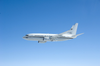
The Boeing-built C-40A Clipper flies the Navy Unique Fleet Essential Airlift mission, providing high-priority cargo and passenger airlift for the U.S. Navy fleet worldwide. The Marines Corps uses a variant on the A for a similar mission, and the United States Air Force uses the C-40B and C-40C. Members of the C-40 family provide their operators with performance, low-cost operations and reliability for their support missions.
C-40 Quick Facts
The U.S. Naval Reserve operates and maintains the aircraft at four air bases:
NAS JRB Fort Worth VR-59
NAS Jacksonville VR-58
NAS North Island VR-57
NAS Oceana VR-56
Boeing delivers its 737-700C aircraft from Renton, Wash., to San Antonio, where an FAA-certified modification creates the C-40.
C-40 Clipper Technical Specifications
Engines
Advanced-technology CFM56-7
Maximum Sea-Level Static Thrust Performance
24,000 lbs
Maximum Gross Weight: Taxi
171,500 lbs
Maximum Gross Weight: Takeoff
171,000 lbs
Maximum Gross Weight: Landing
134,000 lbs
Maximum Gross Weight: Zero fuel
126,000 lbs
Fuel Capacity
6,875 gal
Lower Hold Cargo Volume
885 cu Ft
Schedule Reliability
99.58%
Range
3,200-nmi (121 passengers, or 36,000-lb main deck cargo, or 70 passengers/15,000-lb in combo configuration)
Cruise Speed
0.78 Mach to 0.82 Mach
Altitude Capability
41,000 ft
Extended Operations (ETOPS)
180 min
The Boeing-built C-40A Clipper flies the Navy Unique Fleet Essential Airlift mission, providing high-priority cargo and passenger airlift for the U.S. Navy fleet worldwide. The Marines Corps uses a variant on the A for a similar mission, and the United States Air Force uses the C-40B and C-40C. Members of the C-40 family provide their operators with performance, low-cost operations and reliability for their support missions.
C-40 Quick Facts
The U.S. Naval Reserve operates and maintains the aircraft at four air bases:
- NAS JRB Fort Worth VR-59
- NAS Jacksonville VR-58
- NAS North Island VR-57
- NAS Oceana VR-56
Boeing delivers its 737-700C aircraft from Renton, Wash., to San Antonio, where an FAA-certified modification creates the C-40.
C-40 Clipper Technical Specifications
|
Engines | Advanced-technology CFM56-7 |
|
Maximum Sea-Level Static Thrust Performance | 24,000 lbs |
|
Maximum Gross Weight: Taxi | 171,500 lbs |
|
Maximum Gross Weight: Takeoff | 171,000 lbs |
|
Maximum Gross Weight: Landing | 134,000 lbs |
|
Maximum Gross Weight: Zero fuel | 126,000 lbs |
|
Fuel Capacity | 6,875 gal |
|
Lower Hold Cargo Volume | 885 cu Ft |
|
Schedule Reliability | 99.58% |
|
Range | 3,200-nmi (121 passengers, or 36,000-lb main deck cargo, or 70 passengers/15,000-lb in combo configuration) |
|
Cruise Speed | 0.78 Mach to 0.82 Mach |
|
Altitude Capability | 41,000 ft |
|
Extended Operations (ETOPS) | 180 min |