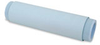
Bio-Rad Laboratories, Inc. Nitrocellulose Membrane 162-0112

Description
Pkg of 1 roll, 0.2 î¼m, 30 cm x 3.5 m, bulk blotting membrane for proteins and nucleic acids Bio-Rad's 0.2 µm pore–size nitrocellulose membrane is dense 100% nitrocellulose. Pure nitrocellulose is the most frequently used membrane for the transfer of both proteins and nucleic acids. It is a proven medium for western, northern, and Southern blotting that produces excellent signal-to-noise results. Bio-Rad nitrocellulose is easy to handle, wets readily with water-based solutions, and resists the brittleness usually associated with nitrocellulose. The 0.2 µm pore size is optimized for transferring nucleic acids and low molecular–weight proteins: the smaller pore size minimizes protein sample loss due to transfer through the membrane. Features and Benefits Compatible with all standard immunoblotting and nucleic acid detection methods Provides superior binding capacity without background interference Smaller pore size minimizes low molecular–weight protein sample loss Available in three formats: Convenient precut 0.2 µm membrane/blot absorbent filter paper sandwiches Packs of precut membrane-only sheets Economical rolls Applications Transfer of low molecular–weight proteins and nucleic acids <500 bp Protein transfer from SDS-PAGE gels to membrane in preparation for western blotting Transfer of nucleic acids in preparation for northern or Southern blotting Immunodetection of target protein and probe hybridization of nucleic acids See the Blotting Membrane and Filter Paper Selection Guide for more information on the different membrane types and size selections by gel type.
Description
Pkg of 1 roll, 0.2 î¼m, 30 cm x 3.5 m, bulk blotting membrane for proteins and nucleic acids Bio-Rad's 0.2 µm pore–size nitrocellulose membrane is dense 100% nitrocellulose. Pure nitrocellulose is the most frequently used membrane for the transfer of both proteins and nucleic acids. It is a proven medium for western, northern, and Southern blotting that produces excellent signal-to-noise results. Bio-Rad nitrocellulose is easy to handle, wets readily with water-based solutions, and resists the brittleness usually associated with nitrocellulose. The 0.2 µm pore size is optimized for transferring nucleic acids and low molecular–weight proteins: the smaller pore size minimizes protein sample loss due to transfer through the membrane. Features and Benefits Compatible with all standard immunoblotting and nucleic acid detection methods Provides superior binding capacity without background interference Smaller pore size minimizes low molecular–weight protein sample loss Available in three formats: Convenient precut 0.2 µm membrane/blot absorbent filter paper sandwiches Packs of precut membrane-only sheets Economical rolls Applications Transfer of low molecular–weight proteins and nucleic acids <500 bp Protein transfer from SDS-PAGE gels to membrane in preparation for western blotting Transfer of nucleic acids in preparation for northern or Southern blotting Immunodetection of target protein and probe hybridization of nucleic acids See the Blotting Membrane and Filter Paper Selection Guide for more information on the different membrane types and size selections by gel type.

Suppliers

Company
Product
Description
Supplier Links
Nitrocellulose Membrane - 162-0112 - Bio-Rad Laboratories, Inc.
Hercules, CA, USA
Nitrocellulose Membrane
162-0112
Nitrocellulose Membrane 162-0112
Pkg of 1 roll, 0.2 î¼m, 30 cm x 3.5 m, bulk blotting membrane for proteins and nucleic acids Bio-Rad's 0.2 µm pore–size nitrocellulose membrane is dense 100% nitrocellulose. Pure nitrocellulose is the most frequently used membrane for the transfer of both proteins and nucleic acids. It is a proven medium for western, northern, and Southern blotting that produces excellent signal-to-noise results. Bio-Rad nitrocellulose is easy to handle, wets readily with water-based solutions, and resists the brittleness usually associated with nitrocellulose. The 0.2 µm pore size is optimized for transferring nucleic acids and low molecular–weight proteins: the smaller pore size minimizes protein sample loss due to transfer through the membrane. Features and Benefits Compatible with all standard immunoblotting and nucleic acid detection methods Provides superior binding capacity without background interference Smaller pore size minimizes low molecular–weight protein sample loss Available in three formats: Convenient precut 0.2 µm membrane/blot absorbent filter paper sandwiches Packs of precut membrane-only sheets Economical rolls Applications Transfer of low molecular–weight proteins and nucleic acids <500 bp Protein transfer from SDS-PAGE gels to membrane in preparation for western blotting Transfer of nucleic acids in preparation for northern or Southern blotting Immunodetection of target protein and probe hybridization of nucleic acids See the Blotting Membrane and Filter Paper Selection Guide for more information on the different membrane types and size selections by gel type.

Pkg of 1 roll, 0.2 μm, 30 cm x 3.5 m, bulk blotting membrane for proteins and nucleic acids

Bio-Rad's 0.2 µm pore–size nitrocellulose membrane is dense 100% nitrocellulose. Pure nitrocellulose is the most frequently used membrane for the transfer of both proteins and nucleic acids. It is a proven medium for western, northern, and Southern blotting that produces excellent signal-to-noise results. Bio-Rad nitrocellulose is easy to handle, wets readily with water-based solutions, and resists the brittleness usually associated with nitrocellulose. The 0.2 µm pore size is optimized for transferring nucleic acids and low molecular–weight proteins: the smaller pore size minimizes protein sample loss due to transfer through the membrane.

Features and Benefits

  • Compatible with all standard immunoblotting and nucleic acid detection methods
  • Provides superior binding capacity without background interference
  • Smaller pore size minimizes low molecular–weight protein sample loss
  • Available in three formats:
    • Convenient precut 0.2 µm membrane/blot absorbent filter paper sandwiches
    • Packs of precut membrane-only sheets
    • Economical rolls

Applications

  • Transfer of low molecular–weight proteins and nucleic acids <500 bp
  • Protein transfer from SDS-PAGE gels to membrane in preparation for western blotting
  • Transfer of nucleic acids in preparation for northern or Southern blotting
  • Immunodetection of target protein and probe hybridization of nucleic acids

See the Blotting Membrane and Filter Paper Selection Guide for more information on the different membrane types and size selections by gel type.
Supplier's Site

Technical Specifications

  Bio-Rad Laboratories, Inc.
Product Category Chromatography Membranes
Product Number 162-0112
Product Name Nitrocellulose Membrane
Unlock Full Specs
to access all available technical data

Similar Products