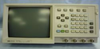
The 8115A is a used Pulse Generator from Agilent. A pulse generator is a piece of electronic test equipment that engineers use to generate rectangular pulses. An electromagnetic pulse generator is best for digital, not analog, circuits. Engineers can inject pulses into a piece of equipment under test as a stimulus as they test the device, using pulses to confirm the equipment’s proper operation.
Additional Features:
Fully programmable
50 MHz
Delivers pulse trains with up to 32 V peak-to-peak into high impedance and variable transitions from 6.5 ns up to 95 ms
Suitable to operate as a standalone instrument or in an ATE system
Wide temperature range, 0°C to 55°, ideal for ATE systems
High accuracy is achieved in the limited temperature range 20°C to 30°
Useful for bench-top applications which require higher accuracy
High and low level channel is independently programmable
Output voltages can also be programmed as amplitude and offset
Simulates data/clock signals
Displays both channels
Multilevel signals
The 8115A is a used Pulse Generator from Agilent. A pulse generator is a piece of electronic test equipment that engineers use to generate rectangular pulses. An electromagnetic pulse generator is best for digital, not analog, circuits. Engineers can inject pulses into a piece of equipment under test as a stimulus as they test the device, using pulses to confirm the equipment’s proper operation.
Additional Features:
- Fully programmable
- 50 MHz
- Delivers pulse trains with up to 32 V peak-to-peak into high impedance and variable transitions from 6.5 ns up to 95 ms
- Suitable to operate as a standalone instrument or in an ATE system
- Wide temperature range, 0°C to 55°, ideal for ATE systems
- High accuracy is achieved in the limited temperature range 20°C to 30°
- Useful for bench-top applications which require higher accuracy
- High and low level channel is independently programmable
- Output voltages can also be programmed as amplitude and offset
- Simulates data/clock signals
- Displays both channels
- Multilevel signals