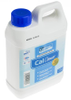
TCI America Sodium Copper Chlorophyllin S0271

Description
Sodium Copper Chlorophyllin / Living organisms acquire energy by bringing oxygen into their bodies. However, they can also be damaged by oxidative stress. Hence they maintain complex chemical systems of multiple types of antioxidants, which are chemical substances that protect biological materials against the effects of this stress. Human beings utilize antioxidants in a daily life as food additives to avoid their deterioration. Antioxidants in pharmacology are studied, particularly as treatments of stroke and nerve atrophy diseases. Antioxidants are also widely used as ingredients of functional foods. However, some clinical trials suggested that getting antioxidants during athletic exercise might be harmful. Functioning of the antioxidants remains to be investigated. • Functions of Antioxidants (1) Scavenging of active oxygen species and radicals Scavenging of hydrogen peroxide (H2O2), free radicals such as the hydroxyl radical (•OH), the superoxide anion (O2?), and the radicals they produce with biological molecules. (2) Metal inactivation Chelating metals to inactivate a metal such as iron which promotes oxidation (3) Oxidase inhibition (4) Protection of disulfide bond Inhibition of the oxidative cleavage of disulfide bonds in the proteins. • Classification of Antioxidants Antioxidants are classified according to their solubility. (1) Water-soluble antioxidants Ascorbic acid (Vitamin C), Glutathione, Lipoic acid. Typical properties: (a) Neutralization of reactive oxygen species, (b) Inhibition of the cleaving reaction of disulfide bonds. (2) Fat-soluble antioxidants α-Tocopherol (Vitamin E), gallates, resveratrol, polyphenols (e.g. ubiquinone, or coenzyme Q10), polyene compounds (e.g. β-Carotene). Typical properties: Antioxidation of lipids through radical scavenging activity • Storage Precautions Solid antioxidants can be stored in a cool and dry place, unless otherwise specified. After opening, they should be stored under inert gases such as nitrogen or argon to prevent their oxidation. Since oily antioxidants can deteriorate faster than solids, they should be stored under an inert gas in a refrigerator. Refrigerated antioxidants should be warmed in a desiccator at room temperature under ambient atmosphere just before use without opening the cap. This operation can avoid moisture uptake of the reagents.
Description
Sodium Copper Chlorophyllin / Living organisms acquire energy by bringing oxygen into their bodies. However, they can also be damaged by oxidative stress. Hence they maintain complex chemical systems of multiple types of antioxidants, which are chemical substances that protect biological materials against the effects of this stress. Human beings utilize antioxidants in a daily life as food additives to avoid their deterioration. Antioxidants in pharmacology are studied, particularly as treatments of stroke and nerve atrophy diseases. Antioxidants are also widely used as ingredients of functional foods. However, some clinical trials suggested that getting antioxidants during athletic exercise might be harmful. Functioning of the antioxidants remains to be investigated. • Functions of Antioxidants (1) Scavenging of active oxygen species and radicals Scavenging of hydrogen peroxide (H2O2), free radicals such as the hydroxyl radical (•OH), the superoxide anion (O2?), and the radicals they produce with biological molecules. (2) Metal inactivation Chelating metals to inactivate a metal such as iron which promotes oxidation (3) Oxidase inhibition (4) Protection of disulfide bond Inhibition of the oxidative cleavage of disulfide bonds in the proteins. • Classification of Antioxidants Antioxidants are classified according to their solubility. (1) Water-soluble antioxidants Ascorbic acid (Vitamin C), Glutathione, Lipoic acid. Typical properties: (a) Neutralization of reactive oxygen species, (b) Inhibition of the cleaving reaction of disulfide bonds. (2) Fat-soluble antioxidants α-Tocopherol (Vitamin E), gallates, resveratrol, polyphenols (e.g. ubiquinone, or coenzyme Q10), polyene compounds (e.g. β-Carotene). Typical properties: Antioxidation of lipids through radical scavenging activity • Storage Precautions Solid antioxidants can be stored in a cool and dry place, unless otherwise specified. After opening, they should be stored under inert gases such as nitrogen or argon to prevent their oxidation. Since oily antioxidants can deteriorate faster than solids, they should be stored under an inert gas in a refrigerator. Refrigerated antioxidants should be warmed in a desiccator at room temperature under ambient atmosphere just before use without opening the cap. This operation can avoid moisture uptake of the reagents.

Suppliers

Company
Product
Description
Supplier Links
Sodium Copper Chlorophyllin - S0271 - TCI America
Portland, OR, USA
Sodium Copper Chlorophyllin
S0271
Sodium Copper Chlorophyllin S0271
Sodium Copper Chlorophyllin / Living organisms acquire energy by bringing oxygen into their bodies. However, they can also be damaged by oxidative stress. Hence they maintain complex chemical systems of multiple types of antioxidants, which are chemical substances that protect biological materials against the effects of this stress. Human beings utilize antioxidants in a daily life as food additives to avoid their deterioration. Antioxidants in pharmacology are studied, particularly as treatments of stroke and nerve atrophy diseases. Antioxidants are also widely used as ingredients of functional foods. However, some clinical trials suggested that getting antioxidants during athletic exercise might be harmful. Functioning of the antioxidants remains to be investigated. • Functions of Antioxidants (1) Scavenging of active oxygen species and radicals Scavenging of hydrogen peroxide (H2O2), free radicals such as the hydroxyl radical (•OH), the superoxide anion (O2?), and the radicals they produce with biological molecules. (2) Metal inactivation Chelating metals to inactivate a metal such as iron which promotes oxidation (3) Oxidase inhibition (4) Protection of disulfide bond Inhibition of the oxidative cleavage of disulfide bonds in the proteins. • Classification of Antioxidants Antioxidants are classified according to their solubility. (1) Water-soluble antioxidants Ascorbic acid (Vitamin C), Glutathione, Lipoic acid. Typical properties: (a) Neutralization of reactive oxygen species, (b) Inhibition of the cleaving reaction of disulfide bonds. (2) Fat-soluble antioxidants α-Tocopherol (Vitamin E), gallates, resveratrol, polyphenols (e.g. ubiquinone, or coenzyme Q10), polyene compounds (e.g. β-Carotene). Typical properties: Antioxidation of lipids through radical scavenging activity • Storage Precautions Solid antioxidants can be stored in a cool and dry place, unless otherwise specified. After opening, they should be stored under inert gases such as nitrogen or argon to prevent their oxidation. Since oily antioxidants can deteriorate faster than solids, they should be stored under an inert gas in a refrigerator. Refrigerated antioxidants should be warmed in a desiccator at room temperature under ambient atmosphere just before use without opening the cap. This operation can avoid moisture uptake of the reagents.

Sodium Copper Chlorophyllin /
Living organisms acquire energy by bringing oxygen into their bodies. However, they can also be damaged by oxidative stress. Hence they maintain complex chemical systems of multiple types of antioxidants, which are chemical substances that protect biological materials against the effects of this stress. Human beings utilize antioxidants in a daily life as food additives to avoid their deterioration. Antioxidants in pharmacology are studied, particularly as treatments of stroke and nerve atrophy diseases. Antioxidants are also widely used as ingredients of functional foods. However, some clinical trials suggested that getting antioxidants during athletic exercise might be harmful. Functioning of the antioxidants remains to be investigated.
• Functions of Antioxidants
(1) Scavenging of active oxygen species and radicals
Scavenging of hydrogen peroxide (H2O2), free radicals such as the hydroxyl radical (•OH), the superoxide anion (O2?), and the radicals they produce with biological molecules.
(2) Metal inactivation
Chelating metals to inactivate a metal such as iron which promotes oxidation
(3) Oxidase inhibition
(4) Protection of disulfide bond
Inhibition of the oxidative cleavage of disulfide bonds in the proteins.
• Classification of Antioxidants
Antioxidants are classified according to their solubility.
(1) Water-soluble antioxidants
Ascorbic acid (Vitamin C), Glutathione, Lipoic acid.
Typical properties: (a) Neutralization of reactive oxygen species, (b) Inhibition of the cleaving reaction of disulfide bonds.
(2) Fat-soluble antioxidants
α-Tocopherol (Vitamin E), gallates, resveratrol, polyphenols (e.g. ubiquinone, or coenzyme Q10), polyene compounds (e.g. β-Carotene).
Typical properties: Antioxidation of lipids through radical scavenging activity
• Storage Precautions
Solid antioxidants can be stored in a cool and dry place, unless otherwise specified. After opening, they should be stored under inert gases such as nitrogen or argon to prevent their oxidation. Since oily antioxidants can deteriorate faster than solids, they should be stored under an inert gas in a refrigerator. Refrigerated antioxidants should be warmed in a desiccator at room temperature under ambient atmosphere just before use without opening the cap. This operation can avoid moisture uptake of the reagents.

Supplier's Site

Technical Specifications

  TCI America
Product Category Chemical Additives and Agents
Product Number S0271
Product Name Sodium Copper Chlorophyllin
Unlock Full Specs
to access all available technical data

Similar Products

Activator - 100100 - Hernon Manufacturing, Inc.
Hernon Manufacturing, Inc.
Specs
Function Reaction Accelerator
View Details
Escorene™ Ultra EVA - Escorene™ Ultra UL 05540EH2 - ExxonMobil - Polyethylene Products
Specs
Applications Adhesives or Sealants
View Details
Buffered Carbonate Solution - pH10 -  - Myron L Company
Specs
Function Buffer / Buffering Agent
Form & Features Liquids
View Details