TCI America EDTA 2Na D3789

Description
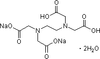
Disodium Dihydrogen Ethylenediaminetetra acetate Dihydrate [for Biochemical Research] / EDTA 2Na In this section, proteases are categorized into three modes of actions: (1) serine protease; (2) cysteine protease; (3) metalloprotease.1) Serine proteases are inhibited by AEBSF, benzamidine, etc.2) Cysteine proteases are inhibited by compounds which react with SH groups such as 2-iodoacetamide or 2-iodoacetic acid.3) Metalloproteases are inhibited by chelating agents, EDTA or 1,10-phenanthroline. 4) In the course of protein extraction, proteolysis is considered to be a major problem because it leads to decreasing yields. Addition of protease inhibitors helps to avoid the proteolysis and improves recovery of the desired protein.5) In the experiment of immunoprecipitation, protease inhibitors are also used to avoid decomposition of antigens or antibodies by proteolytic impurities.6) Protease inhibitors which are frequently used in biochemical research are illustrated in this section. Thiol protease inhibitors, 2-iodoacetamide and 2-iodoacetic acid, cannot be used in protein extraction, because they form covalent bonds to the SH group of the proteins. In protein research, they are used as an alkylation reagent to derivatize the proteins which are extracted from an electrophoresis gel for mass spectrometric analysis.7)
Description
Disodium Dihydrogen Ethylenediaminetetra acetate Dihydrate [for Biochemical Research] / EDTA 2Na In this section, proteases are categorized into three modes of actions: (1) serine protease; (2) cysteine protease; (3) metalloprotease.1) Serine proteases are inhibited by AEBSF, benzamidine, etc.2) Cysteine proteases are inhibited by compounds which react with SH groups such as 2-iodoacetamide or 2-iodoacetic acid.3) Metalloproteases are inhibited by chelating agents, EDTA or 1,10-phenanthroline. 4) In the course of protein extraction, proteolysis is considered to be a major problem because it leads to decreasing yields. Addition of protease inhibitors helps to avoid the proteolysis and improves recovery of the desired protein.5) In the experiment of immunoprecipitation, protease inhibitors are also used to avoid decomposition of antigens or antibodies by proteolytic impurities.6) Protease inhibitors which are frequently used in biochemical research are illustrated in this section. Thiol protease inhibitors, 2-iodoacetamide and 2-iodoacetic acid, cannot be used in protein extraction, because they form covalent bonds to the SH group of the proteins. In protein research, they are used as an alkylation reagent to derivatize the proteins which are extracted from an electrophoresis gel for mass spectrometric analysis.7)

Suppliers

Company
Product
Description
Supplier Links
EDTA 2Na - D3789 - TCI America
Portland, OR, USA
EDTA 2Na
D3789
EDTA 2Na D3789
Disodium Dihydrogen Ethylenediaminetetra acetate Dihydrate [for Biochemical Research] / EDTA 2Na In this section, proteases are categorized into three modes of actions: (1) serine protease; (2) cysteine protease; (3) metalloprotease.1) Serine proteases are inhibited by AEBSF, benzamidine, etc.2) Cysteine proteases are inhibited by compounds which react with SH groups such as 2-iodoacetamide or 2-iodoacetic acid.3) Metalloproteases are inhibited by chelating agents, EDTA or 1,10-phenanthroline. 4) In the course of protein extraction, proteolysis is considered to be a major problem because it leads to decreasing yields. Addition of protease inhibitors helps to avoid the proteolysis and improves recovery of the desired protein.5) In the experiment of immunoprecipitation, protease inhibitors are also used to avoid decomposition of antigens or antibodies by proteolytic impurities.6) Protease inhibitors which are frequently used in biochemical research are illustrated in this section. Thiol protease inhibitors, 2-iodoacetamide and 2-iodoacetic acid, cannot be used in protein extraction, because they form covalent bonds to the SH group of the proteins. In protein research, they are used as an alkylation reagent to derivatize the proteins which are extracted from an electrophoresis gel for mass spectrometric analysis.7)

Disodium Dihydrogen Ethylenediaminetetraacetate Dihydrate [for Biochemical Research] / EDTA 2Na
In this section, proteases are categorized into three modes of actions: (1) serine protease; (2) cysteine protease; (3) metalloprotease.1)
Serine proteases are inhibited by AEBSF, benzamidine, etc.2) Cysteine proteases are inhibited by compounds which react with SH groups such as 2-iodoacetamide or 2-iodoacetic acid.3) Metalloproteases are inhibited by chelating agents, EDTA or 1,10-phenanthroline.4)
In the course of protein extraction, proteolysis is considered to be a major problem because it leads to decreasing yields. Addition of protease inhibitors helps to avoid the proteolysis and improves recovery of the desired protein.5) In the experiment of immunoprecipitation, protease inhibitors are also used to avoid decomposition of antigens or antibodies by proteolytic impurities.6) Protease inhibitors which are frequently used in biochemical research are illustrated in this section.
Thiol protease inhibitors, 2-iodoacetamide and 2-iodoacetic acid, cannot be used in protein extraction, because they form covalent bonds to the SH group of the proteins. In protein research, they are used as an alkylation reagent to derivatize the proteins which are extracted from an electrophoresis gel for mass spectrometric analysis.7)

Supplier's Site

Technical Specifications

  TCI America
Product Category Chemical Additives and Agents
Product Number D3789
Product Name EDTA 2Na
Unlock Full Specs
to access all available technical data

Similar Products

Stain Preventor Gel -  - MacDermid Alpha Electronics Solutions
MacDermid Alpha Electronics Solutions
Specs
Function Surface Active Agent
View Details
Light-Curable Materials, Activators, 501-E-REV-A -  - Dymax
Specs
Applications Adhesives or Sealants
View Details
Etofenprox -  - Mitsui Chemicals America, Inc.
Mitsui Chemicals America, Inc.
Specs
Function Biocides / Cidal Agents; Insecticide Pesticide
Applications Agriculture
View Details
LUMIFLON™ Fluoropolymer Resins - LF-916F - AGC Chemicals Americas, Inc.
Specs
Applications Coatings or Paint; Industrial Maintenance, Transportation, Architectural, Alternative Energy
Form & Features Pale Yellow Flakes
View Details