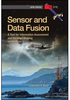
SPIE Sensor and Data Fusion: A Tool for Information Assessment and Decision Making, Second Edition ISBN: 9780819491336

Description
The information in the second edition of this volume has been substantially expanded and updated to incorporate recent approaches to sensor and data fusion, as well as additional application examples. A new chapter about data fusion issues associated with multiple-radar tracking systems has also been added. This chapter includes topics such as sensor registration requirements, Kalman filtering, and a discussion of interacting multiple models. As in the first edition, the book discusses the benefits of sensor fusion that accrue when sensors that operate with different phenomenologies or surveil separate volumes of space are used to gather signatures and data about objects or events in their field of view. Subject matter includes: (1) applications of multiple-sensor systems to vehicular traffic management, target classification and tracking, military and homeland defense, and battlefield assessment; (2) target, background, and atmospheric signature-generation phenomena and modeling; (3) the JDL data fusion model; (4) sensor fusion architectures; and (5) detailed descriptions of algorithms that combine multiple-sensor data from target identity and tracking data fusion architectures. Bayesian, Dempster-Shafer, artificial neural networks, fuzzy logic, voting logic, and passive data association techniques for unambiguous location of targets are among the data fusion techniques that are explored.
Description
The information in the second edition of this volume has been substantially expanded and updated to incorporate recent approaches to sensor and data fusion, as well as additional application examples. A new chapter about data fusion issues associated with multiple-radar tracking systems has also been added. This chapter includes topics such as sensor registration requirements, Kalman filtering, and a discussion of interacting multiple models. As in the first edition, the book discusses the benefits of sensor fusion that accrue when sensors that operate with different phenomenologies or surveil separate volumes of space are used to gather signatures and data about objects or events in their field of view. Subject matter includes: (1) applications of multiple-sensor systems to vehicular traffic management, target classification and tracking, military and homeland defense, and battlefield assessment; (2) target, background, and atmospheric signature-generation phenomena and modeling; (3) the JDL data fusion model; (4) sensor fusion architectures; and (5) detailed descriptions of algorithms that combine multiple-sensor data from target identity and tracking data fusion architectures. Bayesian, Dempster-Shafer, artificial neural networks, fuzzy logic, voting logic, and passive data association techniques for unambiguous location of targets are among the data fusion techniques that are explored.

Suppliers

Company
Product
Description
Supplier Links
Sensor and Data Fusion: A Tool for Information Assessment and Decision Making, Second Edition - ISBN: 9780819491336 - SPIE
Bellingham, WA, USA
Sensor and Data Fusion: A Tool for Information Assessment and Decision Making, Second Edition
ISBN: 9780819491336
Sensor and Data Fusion: A Tool for Information Assessment and Decision Making, Second Edition ISBN: 9780819491336
The information in the second edition of this volume has been substantially expanded and updated to incorporate recent approaches to sensor and data fusion, as well as additional application examples. A new chapter about data fusion issues associated with multiple-radar tracking systems has also been added. This chapter includes topics such as sensor registration requirements, Kalman filtering, and a discussion of interacting multiple models. As in the first edition, the book discusses the benefits of sensor fusion that accrue when sensors that operate with different phenomenologies or surveil separate volumes of space are used to gather signatures and data about objects or events in their field of view. Subject matter includes: (1) applications of multiple-sensor systems to vehicular traffic management, target classification and tracking, military and homeland defense, and battlefield assessment; (2) target, background, and atmospheric signature-generation phenomena and modeling; (3) the JDL data fusion model; (4) sensor fusion architectures; and (5) detailed descriptions of algorithms that combine multiple-sensor data from target identity and tracking data fusion architectures. Bayesian, Dempster-Shafer, artificial neural networks, fuzzy logic, voting logic, and passive data association techniques for unambiguous location of targets are among the data fusion techniques that are explored.

The information in the second edition of this volume has been substantially expanded and updated to incorporate recent approaches to sensor and data fusion, as well as additional application examples. A new chapter about data fusion issues associated with multiple-radar tracking systems has also been added. This chapter includes topics such as sensor registration requirements, Kalman filtering, and a discussion of interacting multiple models. As in the first edition, the book discusses the benefits of sensor fusion that accrue when sensors that operate with different phenomenologies or surveil separate volumes of space are used to gather signatures and data about objects or events in their field of view. Subject matter includes: (1) applications of multiple-sensor systems to vehicular traffic management, target classification and tracking, military and homeland defense, and battlefield assessment; (2) target, background, and atmospheric signature-generation phenomena and modeling; (3) the JDL data fusion model; (4) sensor fusion architectures; and (5) detailed descriptions of algorithms that combine multiple-sensor data from target identity and tracking data fusion architectures. Bayesian, Dempster-Shafer, artificial neural networks, fuzzy logic, voting logic, and passive data association techniques for unambiguous location of targets are among the data fusion techniques that are explored.

Supplier's Site

Technical Specifications

  SPIE
Product Category Technical Books
Product Number ISBN: 9780819491336
Product Name Sensor and Data Fusion: A Tool for Information Assessment and Decision Making, Second Edition
Unlock Full Specs
to access all available technical data

Similar Products