Uson, L.P. Advanced Leak Detector Option ALD

Description
The Challenge Confronting Leak Rate Testing Because of the effects of adiabatic cooling, extra time must be allocated for testing to allow these effects to dissipate. Otherwise, the adiabatic cooling effects will mask the detection of pressure or mass flow change. The challenge, then, is to find a way to conduct testing during the cooling process. The usual work-around to compensate for the cooling effect has been to increase the test time. This strategy is acceptable in situations where reduced speed can be tolerated. However, many manufacturers are looking for a better solution — a way to increase the speed of their lines without sacrificing accuracy. The Solution: The Uson Advanced Leak Detector To meet this challenge, Uson makes available the Advanced Leak Detector. Uson's patented technology is behind this breakthrough and permits leak detection during the adiabatic cooling phase.* Leak Rate Modeling Speeds the Process Uson's Advanced Leak Detector generates and stores a model of the adiabatic cooling cycle of the component tested. During component testing, the ALD's Leak Rate Model is used to accurately determine the leak rate of the part under test. The result is less time to test and more accurate results.
Datasheet
Description
The Challenge Confronting Leak Rate Testing Because of the effects of adiabatic cooling, extra time must be allocated for testing to allow these effects to dissipate. Otherwise, the adiabatic cooling effects will mask the detection of pressure or mass flow change. The challenge, then, is to find a way to conduct testing during the cooling process. The usual work-around to compensate for the cooling effect has been to increase the test time. This strategy is acceptable in situations where reduced speed can be tolerated. However, many manufacturers are looking for a better solution — a way to increase the speed of their lines without sacrificing accuracy. The Solution: The Uson Advanced Leak Detector To meet this challenge, Uson makes available the Advanced Leak Detector. Uson's patented technology is behind this breakthrough and permits leak detection during the adiabatic cooling phase.* Leak Rate Modeling Speeds the Process Uson's Advanced Leak Detector generates and stores a model of the adiabatic cooling cycle of the component tested. During component testing, the ALD's Leak Rate Model is used to accurately determine the leak rate of the part under test. The result is less time to test and more accurate results.
Datasheet

Suppliers

Company
Product
Description
Supplier Links
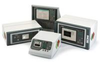
Advanced Leak Detector Option - ALD - Uson, L.P.
Houston, TX, USA
Advanced Leak Detector Option
ALD
Advanced Leak Detector Option ALD
The Challenge Confronting Leak Rate Testing Because of the effects of adiabatic cooling, extra time must be allocated for testing to allow these effects to dissipate. Otherwise, the adiabatic cooling effects will mask the detection of pressure or mass flow change. The challenge, then, is to find a way to conduct testing during the cooling process. The usual work-around to compensate for the cooling effect has been to increase the test time. This strategy is acceptable in situations where reduced speed can be tolerated. However, many manufacturers are looking for a better solution — a way to increase the speed of their lines without sacrificing accuracy. The Solution: The Uson Advanced Leak Detector To meet this challenge, Uson makes available the Advanced Leak Detector. Uson's patented technology is behind this breakthrough and permits leak detection during the adiabatic cooling phase.* Leak Rate Modeling Speeds the Process Uson's Advanced Leak Detector generates and stores a model of the adiabatic cooling cycle of the component tested. During component testing, the ALD's Leak Rate Model is used to accurately determine the leak rate of the part under test. The result is less time to test and more accurate results.

The Challenge Confronting Leak Rate Testing Because of the effects of adiabatic cooling, extra time must be allocated for testing to allow these effects to dissipate. Otherwise, the adiabatic cooling effects will mask the detection of pressure or mass flow change. The challenge, then, is to find a way to conduct testing during the cooling process.

The usual work-around to compensate for the cooling effect has been to increase the test time. This strategy is acceptable in situations where reduced speed can be tolerated. However, many manufacturers are looking for a better solution — a way to increase the speed of their lines without sacrificing accuracy.

The Solution: The Uson Advanced Leak Detector
To meet this challenge, Uson makes available the Advanced Leak Detector. Uson's patented technology is behind this breakthrough and permits leak detection during the adiabatic cooling phase.*

Leak Rate Modeling Speeds the Process Uson's Advanced Leak Detector generates and stores a model of the adiabatic cooling cycle of the component tested. During component testing, the ALD's Leak Rate Model is used to accurately determine the leak rate of the part under test. The result is less time to test and more accurate results.

Supplier's Site Datasheet

Technical Specifications

  Uson, L.P.
Product Category Leak Testing Equipment
Product Number ALD
Product Name Advanced Leak Detector Option
Leak Test Method Mass Flow; Pressure Differential / Decay
Unlock Full Specs
to access all available technical data

Similar Products

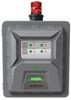
Refrigerant Leak Monitor - Chillgard® 5000 - MSA Safety
Specs
Leak Test Method Electronic Gas Detection; Photoacoustic Infrared
Output Options Analog Voltage; Analog Current
Local Interface Digital Front Panel
View Details
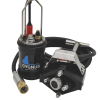
Cygnus FMD System for ROV -  - Cygnus Instruments Limited
Cygnus Instruments Limited
Specs
Leak Test Method Ultrasonic Leak Detector
View Details
HLD MR30 Mobile Helium Leak Detector -  - Agilent Technologies - Vacuum Products
Agilent Technologies - Vacuum Products
Specs
Leak Test Method Mass Spectrometer (Helium Leak Detector)
Output Options Analog Voltage
Local Interface Digital Front Panel
View Details