Gelest, Inc. TRIMETHYLSILYLCYANIDE SIT8585.0

Description
Additional Properties Hydrolytic Sensitivity 8: reacts rapidly with moisture, water, protic solvents Application Reviews.1,2 Undergoes very rapid Al-MCM-41-catalyzed reactions with aldehydes and ketones.10 Converts alcohols to isocyanides in good yields.11 Oxidatively ?-cyanates tertiary amines.12 Employed in 3-component, one-pot Strecker conversion of aldehydes to ?-amino nitriles.13,14 Efficient conversion of carbonyls to cyanohydrins catalyzed by Cu(II) trifluoromethanesulf onate.3 Treatment with methanol generates HCN solutions.4 Adds to aldehydes with high stereoselectivity.5 Adds HCN to benzylhydrazones.6 Opens epoxides with high enantioselectivity.7 Converts tertiary alcohols to isocyanides.8 Used to protect aldehydes in formation of aldehyde-functional Grignard reagents.9 Reference 1. Handbook of Reagents for Organic Synthesis, Reagents for Silicon-Mediated Organic Synthesis, Fuchs, P. L. Ed., John Wiley and Sons, Ltd., 2011, p. 184-189. 10. Iwanami, K. et al. J. Chem. Soc., Chem. Commun. 2008, 1002. 11. Okada, I.; Kitano, Y. Synthesis, 2011, 3997. 12. Han. W.; Ofial, A. R. J. Chem. Soc., Chem. Commun. 2009, 5024. 13. Karmekar, B.; Banerji, J. Tetrahedron Lett. 2010, 51, 2748. 14. Niknam, K. et al. Tetrahedron Lett. 2010, 51, 2959. 2. Rasmussen, J. et al. In Advances in Silicon Chemistry; Larson, G., Ed.; JAI Press: Greenwich, Co, 1991; Vol. 1, p65. 3. Saravanan, D. et al. Tetrahedron Lett. 1998, 39, 3823. 4. Vachel, P.; Jacobsen, E. N. Org. Lett. 2000, 2, 867. 5. Belokon, Y. N.; North, M. Org. Lett. 2000, 2, 1617. 6. Manabe, K. et al. J. Org. Chem. 1999, 64, 8054. 7. Schaus, S. E.; Jacobsen, E. N. Org. Lett. 2000, 2, 1001. 8. Kitano, Y. et al. Synthesis 2001, 437. 9. Liu, C.-Y. et al. Org. Lett. 2006, 8, 617. Safety Packaging Under Nitrogen Trimethylsilyl Blocking Agent Used as a protecting group for reactive hydrogens in alcohols, amines, thiols, and carboxylic acids. Organosilanes are hydrogen-like, can be introduced in high yield, and can be removed under selective conditions. They are stable over a wide range of reaction conditions and can be removed in the presence of other functional groups, including other protecting groups. The tolerance of silylated alcohols to chemical transformations summary is presented in Table 1 of the Silicon-Based Blocking Agents brochure. Trimethysilyl Cyanide; Trimethylsilylnitril e; Cyanotrimethylsilane ; TMSCN Releases toxic HCN upon reaction Extremely reactive silylating agent for acids and alcohols Amines and thiols react more slowly than acids and alcohols Does not react with amides, ureas or carbonates Silylates amino acids Nafion SAC-13 has been shown to be a recyclable catalyst for the trimethylsilylation of primary, secondary, and tertiary alcohols in excellent yields and short reaction times Summary of selective deprotection conditions is provided in Table 7 through Table 20 of the Silicon-Based Blocking Agents brochure
Datasheet
Description
Additional Properties Hydrolytic Sensitivity 8: reacts rapidly with moisture, water, protic solvents Application Reviews.1,2 Undergoes very rapid Al-MCM-41-catalyzed reactions with aldehydes and ketones.10 Converts alcohols to isocyanides in good yields.11 Oxidatively ?-cyanates tertiary amines.12 Employed in 3-component, one-pot Strecker conversion of aldehydes to ?-amino nitriles.13,14 Efficient conversion of carbonyls to cyanohydrins catalyzed by Cu(II) trifluoromethanesulf onate.3 Treatment with methanol generates HCN solutions.4 Adds to aldehydes with high stereoselectivity.5 Adds HCN to benzylhydrazones.6 Opens epoxides with high enantioselectivity.7 Converts tertiary alcohols to isocyanides.8 Used to protect aldehydes in formation of aldehyde-functional Grignard reagents.9 Reference 1. Handbook of Reagents for Organic Synthesis, Reagents for Silicon-Mediated Organic Synthesis, Fuchs, P. L. Ed., John Wiley and Sons, Ltd., 2011, p. 184-189. 10. Iwanami, K. et al. J. Chem. Soc., Chem. Commun. 2008, 1002. 11. Okada, I.; Kitano, Y. Synthesis, 2011, 3997. 12. Han. W.; Ofial, A. R. J. Chem. Soc., Chem. Commun. 2009, 5024. 13. Karmekar, B.; Banerji, J. Tetrahedron Lett. 2010, 51, 2748. 14. Niknam, K. et al. Tetrahedron Lett. 2010, 51, 2959. 2. Rasmussen, J. et al. In Advances in Silicon Chemistry; Larson, G., Ed.; JAI Press: Greenwich, Co, 1991; Vol. 1, p65. 3. Saravanan, D. et al. Tetrahedron Lett. 1998, 39, 3823. 4. Vachel, P.; Jacobsen, E. N. Org. Lett. 2000, 2, 867. 5. Belokon, Y. N.; North, M. Org. Lett. 2000, 2, 1617. 6. Manabe, K. et al. J. Org. Chem. 1999, 64, 8054. 7. Schaus, S. E.; Jacobsen, E. N. Org. Lett. 2000, 2, 1001. 8. Kitano, Y. et al. Synthesis 2001, 437. 9. Liu, C.-Y. et al. Org. Lett. 2006, 8, 617. Safety Packaging Under Nitrogen Trimethylsilyl Blocking Agent Used as a protecting group for reactive hydrogens in alcohols, amines, thiols, and carboxylic acids. Organosilanes are hydrogen-like, can be introduced in high yield, and can be removed under selective conditions. They are stable over a wide range of reaction conditions and can be removed in the presence of other functional groups, including other protecting groups. The tolerance of silylated alcohols to chemical transformations summary is presented in Table 1 of the Silicon-Based Blocking Agents brochure. Trimethysilyl Cyanide; Trimethylsilylnitril e; Cyanotrimethylsilane ; TMSCN Releases toxic HCN upon reaction Extremely reactive silylating agent for acids and alcohols Amines and thiols react more slowly than acids and alcohols Does not react with amides, ureas or carbonates Silylates amino acids Nafion SAC-13 has been shown to be a recyclable catalyst for the trimethylsilylation of primary, secondary, and tertiary alcohols in excellent yields and short reaction times Summary of selective deprotection conditions is provided in Table 7 through Table 20 of the Silicon-Based Blocking Agents brochure
Datasheet

Suppliers

Company
Product
Description
Supplier Links
TRIMETHYLSILYLCYANIDE - SIT8585.0 - Gelest, Inc.
Morrisville, PA, United States
TRIMETHYLSILYLCYANIDE
SIT8585.0
TRIMETHYLSILYLCYANIDE SIT8585.0
Additional Properties Hydrolytic Sensitivity 8: reacts rapidly with moisture, water, protic solvents Application Reviews.1,2 Undergoes very rapid Al-MCM-41-catalyzed reactions with aldehydes and ketones.10 Converts alcohols to isocyanides in good yields.11 Oxidatively ?-cyanates tertiary amines.12 Employed in 3-component, one-pot Strecker conversion of aldehydes to ?-amino nitriles.13,14 Efficient conversion of carbonyls to cyanohydrins catalyzed by Cu(II) trifluoromethanesulf onate.3 Treatment with methanol generates HCN solutions.4 Adds to aldehydes with high stereoselectivity.5 Adds HCN to benzylhydrazones.6 Opens epoxides with high enantioselectivity.7 Converts tertiary alcohols to isocyanides.8 Used to protect aldehydes in formation of aldehyde-functional Grignard reagents.9 Reference 1. Handbook of Reagents for Organic Synthesis, Reagents for Silicon-Mediated Organic Synthesis, Fuchs, P. L. Ed., John Wiley and Sons, Ltd., 2011, p. 184-189. 10. Iwanami, K. et al. J. Chem. Soc., Chem. Commun. 2008, 1002. 11. Okada, I.; Kitano, Y. Synthesis, 2011, 3997. 12. Han. W.; Ofial, A. R. J. Chem. Soc., Chem. Commun. 2009, 5024. 13. Karmekar, B.; Banerji, J. Tetrahedron Lett. 2010, 51, 2748. 14. Niknam, K. et al. Tetrahedron Lett. 2010, 51, 2959. 2. Rasmussen, J. et al. In Advances in Silicon Chemistry; Larson, G., Ed.; JAI Press: Greenwich, Co, 1991; Vol. 1, p65. 3. Saravanan, D. et al. Tetrahedron Lett. 1998, 39, 3823. 4. Vachel, P.; Jacobsen, E. N. Org. Lett. 2000, 2, 867. 5. Belokon, Y. N.; North, M. Org. Lett. 2000, 2, 1617. 6. Manabe, K. et al. J. Org. Chem. 1999, 64, 8054. 7. Schaus, S. E.; Jacobsen, E. N. Org. Lett. 2000, 2, 1001. 8. Kitano, Y. et al. Synthesis 2001, 437. 9. Liu, C.-Y. et al. Org. Lett. 2006, 8, 617. Safety Packaging Under Nitrogen Trimethylsilyl Blocking Agent Used as a protecting group for reactive hydrogens in alcohols, amines, thiols, and carboxylic acids. Organosilanes are hydrogen-like, can be introduced in high yield, and can be removed under selective conditions. They are stable over a wide range of reaction conditions and can be removed in the presence of other functional groups, including other protecting groups. The tolerance of silylated alcohols to chemical transformations summary is presented in Table 1 of the Silicon-Based Blocking Agents brochure. Trimethysilyl Cyanide; Trimethylsilylnitril e; Cyanotrimethylsilane ; TMSCN Releases toxic HCN upon reaction Extremely reactive silylating agent for acids and alcohols Amines and thiols react more slowly than acids and alcohols Does not react with amides, ureas or carbonates Silylates amino acids Nafion SAC-13 has been shown to be a recyclable catalyst for the trimethylsilylation of primary, secondary, and tertiary alcohols in excellent yields and short reaction times Summary of selective deprotection conditions is provided in Table 7 through Table 20 of the Silicon-Based Blocking Agents brochure

Additional Properties


  • Hydrolytic Sensitivity 8: reacts rapidly with moisture, water, protic solvents
    Application
    Reviews.1,2 Undergoes very rapid Al-MCM-41-catalyzed reactions with aldehydes and ketones.10 Converts alcohols to isocyanides in good yields.11 Oxidatively ?-cyanates tertiary amines.12 Employed in 3-component, one-pot Strecker conversion of aldehydes to ?-amino nitriles.13,14 Efficient conversion of carbonyls to cyanohydrins catalyzed by Cu(II) trifluoromethanesulfonate.3 Treatment with methanol generates HCN solutions.4 Adds to aldehydes with high stereoselectivity.5 Adds HCN to benzylhydrazones.6 Opens epoxides with high enantioselectivity.7 Converts tertiary alcohols to isocyanides.8 Used to protect aldehydes in formation of aldehyde-functional Grignard reagents.9
    Reference
    1. Handbook of Reagents for Organic Synthesis, Reagents for Silicon-Mediated Organic Synthesis, Fuchs, P. L. Ed., John Wiley and Sons, Ltd., 2011, p. 184-189. 10. Iwanami, K. et al. J. Chem. Soc., Chem. Commun. 2008, 1002. 11. Okada, I.; Kitano, Y. Synthesis, 2011, 3997. 12. Han. W.; Ofial, A. R. J. Chem. Soc., Chem. Commun. 2009, 5024. 13. Karmekar, B.; Banerji, J. Tetrahedron Lett. 2010, 51, 2748. 14. Niknam, K. et al. Tetrahedron Lett. 2010, 51, 2959. 2. Rasmussen, J. et al. In Advances in Silicon Chemistry; Larson, G., Ed.; JAI Press: Greenwich, Co, 1991; Vol. 1, p65. 3. Saravanan, D. et al. Tetrahedron Lett. 1998, 39, 3823. 4. Vachel, P.; Jacobsen, E. N. Org. Lett. 2000, 2, 867. 5. Belokon, Y. N.; North, M. Org. Lett. 2000, 2, 1617. 6. Manabe, K. et al. J. Org. Chem. 1999, 64, 8054. 7. Schaus, S. E.; Jacobsen, E. N. Org. Lett. 2000, 2, 1001. 8. Kitano, Y. et al. Synthesis 2001, 437. 9. Liu, C.-Y. et al. Org. Lett. 2006, 8, 617.
    Safety
  • Packaging Under Nitrogen
    Trimethylsilyl Blocking Agent
    Used as a protecting group for reactive hydrogens in alcohols, amines, thiols, and carboxylic acids. Organosilanes are hydrogen-like, can be introduced in high yield, and can be removed under selective conditions. They are stable over a wide range of reaction conditions and can be removed in the presence of other functional groups, including other protecting groups. The tolerance of silylated alcohols to chemical transformations summary is presented in Table 1 of the Silicon-Based Blocking Agents brochure.
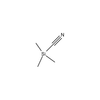
    Trimethysilyl Cyanide; Trimethylsilylnitrile; Cyanotrimethylsilane; TMSCN
  • Releases toxic HCN upon reaction
  • Extremely reactive silylating agent for acids and alcohols
  • Amines and thiols react more slowly than acids and alcohols
  • Does not react with amides, ureas or carbonates
  • Silylates amino acids
  • Nafion SAC-13 has been shown to be a recyclable catalyst for the trimethylsilylation of primary, secondary, and tertiary alcohols in excellent yields and short reaction times
  • Summary of selective deprotection conditions is provided in Table 7 through Table 20 of the Silicon-Based Blocking Agents brochure
Supplier's Site Datasheet

Technical Specifications

  Gelest, Inc.
Product Category Inorganic Chemicals and Compounds
Product Number SIT8585.0
Product Name TRIMETHYLSILYLCYANIDE
Chemical Formula C 4 H 9 NSi
Unlock Full Specs
to access all available technical data

Similar Products

pH Buffer 7.00 - 238218 - Hamilton Company
Hamilton Company
Specs
Type Other; Buffer
Chemical Name Potassium Dihydrogen Phosphate, di-Potassium Phosphate
Chemical Formula KH2PO4, K2HPO4
View Details
LITHIUM VANADATE, 98% -  - GFS Chemicals, Inc.
GFS Chemicals, Inc.
Specs
Chemical Formula LiVO3
CAS Number 15060-59-0
View Details
Antimony pentafluoride compound with graphite (50/50) - M051-2-01 - SynQuest Laboratories, Inc.
Specs
Chemical Name Antimony pentafluoride compound with graphite (50/50)
Chemical Formula F 5 Sb
CAS Number 59839-60-0
View Details