Gelest, Inc. HEXAMETHYLDISILANE SIH6109.0

Description
Additional Properties Hydrolytic Sensitivity 1: no significant reaction with aqueous systems Application Review of synthetic utility.1 Source for trimethylsilyl anion.2,3 Replaces aromatic nitriles with TMS groups in presence of [RhCl(cod)]2.4 Precursor for CVD of silicon carbide.5 Brings about the homocoupling of arenesulfonyl chlorides in the presence of Pd2(dba)3.6 Used as a solvent for the direct borylation of fluoroaromatics.7 Reacts with alkynes to form siloles.8 Undergoes the silylation of acid chlorides to give acylsilanes.9 Reference 1. Handbook of Reagents for Organic Synthesis, Reagents for Silicon-Mediated Organic Synthesis, Fuchs, P. L. Ed., John Wiley and Sons, Ltd., 2011, p. 278-284. 2. Shippey, M. A. et al. J. Org. Chem. 1977, 42, 2654. 3. F&F: Vol. 10, p 96; Vol.11, p 253. 4. Tobisu, M. et al. J. Am. Chem. Soc. 2006, 128, 4152. 5. Thin Solid Films 1999, 252, 13. 6. Kashiwabara, T.; Tanaka, M. Tetrahedron Lett. 2005, 46, 7125. 7. Teltewskoi, M. et al. Angew. Chem., Int. Ed. Engl. 2010, 49, 3947. 8. Akagawa, K. et al. Synlett 2011, 22, 813. 9. Capperucci, A. et al. J. Org. Chem. 1988, 53, 3612. Safety Packaging Under Nitrogen Hexamethyldisilane; HMD; 2,2,3,3-Tetramethyl- 2,3-disilabutane Viscosity: 1.0 cSt ΔHcomb: 5,909 kJ/mol ΔHform: -494 kJ/mol ΔHvap: 39.8 kJ/mol Vapor pressure, 20 °C: 22.9 mm Ea decomposition at 545 K: 337 kJ/mol Rotational barrier, Si–Si: 4.40 kJ/mol Secondary NMR reference: δ = 0.045 Source for trimethylsilyl anion Replaces aromatic nitriles with TMS groups in presence of [RhCl(cod)]2 Precursor for CVD of silicon carbide Brings about the homocoupling of arenesulfonyl chlorides in the presence of Pd2(dba)3 Used as a solvent for the direct borylation of fluoroaromatics Reacts with alkynes to form siloles Undergoes the silylation of acid chlorides to give acylsilanes
Datasheet
Description
Additional Properties Hydrolytic Sensitivity 1: no significant reaction with aqueous systems Application Review of synthetic utility.1 Source for trimethylsilyl anion.2,3 Replaces aromatic nitriles with TMS groups in presence of [RhCl(cod)]2.4 Precursor for CVD of silicon carbide.5 Brings about the homocoupling of arenesulfonyl chlorides in the presence of Pd2(dba)3.6 Used as a solvent for the direct borylation of fluoroaromatics.7 Reacts with alkynes to form siloles.8 Undergoes the silylation of acid chlorides to give acylsilanes.9 Reference 1. Handbook of Reagents for Organic Synthesis, Reagents for Silicon-Mediated Organic Synthesis, Fuchs, P. L. Ed., John Wiley and Sons, Ltd., 2011, p. 278-284. 2. Shippey, M. A. et al. J. Org. Chem. 1977, 42, 2654. 3. F&F: Vol. 10, p 96; Vol.11, p 253. 4. Tobisu, M. et al. J. Am. Chem. Soc. 2006, 128, 4152. 5. Thin Solid Films 1999, 252, 13. 6. Kashiwabara, T.; Tanaka, M. Tetrahedron Lett. 2005, 46, 7125. 7. Teltewskoi, M. et al. Angew. Chem., Int. Ed. Engl. 2010, 49, 3947. 8. Akagawa, K. et al. Synlett 2011, 22, 813. 9. Capperucci, A. et al. J. Org. Chem. 1988, 53, 3612. Safety Packaging Under Nitrogen Hexamethyldisilane; HMD; 2,2,3,3-Tetramethyl- 2,3-disilabutane Viscosity: 1.0 cSt ΔHcomb: 5,909 kJ/mol ΔHform: -494 kJ/mol ΔHvap: 39.8 kJ/mol Vapor pressure, 20 °C: 22.9 mm Ea decomposition at 545 K: 337 kJ/mol Rotational barrier, Si–Si: 4.40 kJ/mol Secondary NMR reference: δ = 0.045 Source for trimethylsilyl anion Replaces aromatic nitriles with TMS groups in presence of [RhCl(cod)]2 Precursor for CVD of silicon carbide Brings about the homocoupling of arenesulfonyl chlorides in the presence of Pd2(dba)3 Used as a solvent for the direct borylation of fluoroaromatics Reacts with alkynes to form siloles Undergoes the silylation of acid chlorides to give acylsilanes
Datasheet

Suppliers

Company
Product
Description
Supplier Links
HEXAMETHYLDISILANE - SIH6109.0 - Gelest, Inc.
Morrisville, PA, United States
HEXAMETHYLDISILANE
SIH6109.0
HEXAMETHYLDISILANE SIH6109.0
Additional Properties Hydrolytic Sensitivity 1: no significant reaction with aqueous systems Application Review of synthetic utility.1 Source for trimethylsilyl anion.2,3 Replaces aromatic nitriles with TMS groups in presence of [RhCl(cod)]2.4 Precursor for CVD of silicon carbide.5 Brings about the homocoupling of arenesulfonyl chlorides in the presence of Pd2(dba)3.6 Used as a solvent for the direct borylation of fluoroaromatics.7 Reacts with alkynes to form siloles.8 Undergoes the silylation of acid chlorides to give acylsilanes.9 Reference 1. Handbook of Reagents for Organic Synthesis, Reagents for Silicon-Mediated Organic Synthesis, Fuchs, P. L. Ed., John Wiley and Sons, Ltd., 2011, p. 278-284. 2. Shippey, M. A. et al. J. Org. Chem. 1977, 42, 2654. 3. F&F: Vol. 10, p 96; Vol.11, p 253. 4. Tobisu, M. et al. J. Am. Chem. Soc. 2006, 128, 4152. 5. Thin Solid Films 1999, 252, 13. 6. Kashiwabara, T.; Tanaka, M. Tetrahedron Lett. 2005, 46, 7125. 7. Teltewskoi, M. et al. Angew. Chem., Int. Ed. Engl. 2010, 49, 3947. 8. Akagawa, K. et al. Synlett 2011, 22, 813. 9. Capperucci, A. et al. J. Org. Chem. 1988, 53, 3612. Safety Packaging Under Nitrogen Hexamethyldisilane; HMD; 2,2,3,3-Tetramethyl- 2,3-disilabutane Viscosity: 1.0 cSt ΔHcomb: 5,909 kJ/mol ΔHform: -494 kJ/mol ΔHvap: 39.8 kJ/mol Vapor pressure, 20 °C: 22.9 mm Ea decomposition at 545 K: 337 kJ/mol Rotational barrier, Si–Si: 4.40 kJ/mol Secondary NMR reference: δ = 0.045 Source for trimethylsilyl anion Replaces aromatic nitriles with TMS groups in presence of [RhCl(cod)]2 Precursor for CVD of silicon carbide Brings about the homocoupling of arenesulfonyl chlorides in the presence of Pd2(dba)3 Used as a solvent for the direct borylation of fluoroaromatics Reacts with alkynes to form siloles Undergoes the silylation of acid chlorides to give acylsilanes

Additional Properties


  • Hydrolytic Sensitivity 1: no significant reaction with aqueous systems
    Application
    Review of synthetic utility.1 Source for trimethylsilyl anion.2,3 Replaces aromatic nitriles with TMS groups in presence of [RhCl(cod)]2.4 Precursor for CVD of silicon carbide.5 Brings about the homocoupling of arenesulfonyl chlorides in the presence of Pd2(dba)3.6 Used as a solvent for the direct borylation of fluoroaromatics.7 Reacts with alkynes to form siloles.8 Undergoes the silylation of acid chlorides to give acylsilanes.9
    Reference
    1. Handbook of Reagents for Organic Synthesis, Reagents for Silicon-Mediated Organic Synthesis, Fuchs, P. L. Ed., John Wiley and Sons, Ltd., 2011, p. 278-284. 2. Shippey, M. A. et al. J. Org. Chem. 1977, 42, 2654. 3. F&F: Vol. 10, p 96; Vol.11, p 253. 4. Tobisu, M. et al. J. Am. Chem. Soc. 2006, 128, 4152. 5. Thin Solid Films 1999, 252, 13. 6. Kashiwabara, T.; Tanaka, M. Tetrahedron Lett. 2005, 46, 7125. 7. Teltewskoi, M. et al. Angew. Chem., Int. Ed. Engl. 2010, 49, 3947. 8. Akagawa, K. et al. Synlett 2011, 22, 813. 9. Capperucci, A. et al. J. Org. Chem. 1988, 53, 3612.
    Safety
  • Packaging Under Nitrogen
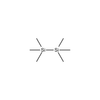
    Hexamethyldisilane; HMD; 2,2,3,3-Tetramethyl-2,3-disilabutane
  • Viscosity: 1.0 cSt
  • ΔHcomb: 5,909 kJ/mol
  • ΔHform: -494 kJ/mol
  • ΔHvap: 39.8 kJ/mol
  • Vapor pressure, 20 °C: 22.9 mm
  • Ea decomposition at 545 K: 337 kJ/mol
  • Rotational barrier, Si–Si: 4.40 kJ/mol
  • Secondary NMR reference: δ = 0.045
  • Source for trimethylsilyl anion
  • Replaces aromatic nitriles with TMS groups in presence of [RhCl(cod)]2
  • Precursor for CVD of silicon carbide
  • Brings about the homocoupling of arenesulfonyl chlorides in the presence of Pd2(dba)3
  • Used as a solvent for the direct borylation of fluoroaromatics
  • Reacts with alkynes to form siloles
  • Undergoes the silylation of acid chlorides to give acylsilanes
Supplier's Site Datasheet

Technical Specifications

  Gelest, Inc.
Product Category Organic Chemicals
Product Number SIH6109.0
Product Name HEXAMETHYLDISILANE
Chemical Formula C 6 H 1 8 Si 2
Unlock Full Specs
to access all available technical data

Similar Products

DMI 1,3 Dimethyl-2-Imidazolidinone -  - Mitsui Chemicals America, Inc.
Mitsui Chemicals America, Inc.
Specs
Trigger Solvent
Chemical Name DMI 1,3 Dimethyl-2-Imidazolidinone
State of Matter Liquid / Solution
View Details
Intermediates and Ingredients for Pharmaceuticals and Agrochemical Compounds -  - AGC Chemicals Americas, Inc.
Specs
Chemical Family All Halogenated
Chemical Name Trifluoroacetic Acid, Trifluoroacetic Anhydride, Ethyl Trifluoroacetate, Sodium Trifluoroacetate, 2,3,4-Trifluoro aniline, Trifluoroacetamide, & More
CAS Number 76-05-1, 407-25-0, 383-63-1, 2923-18-4, 3862-73-5, 354-38-1, 148043-73-6, 30071-93-3, 677-69-0, 122665-97-8, 118612-00-3, 136040-19-2, and More
View Details
 - 001211 - Matrix Scientific
Matrix Scientific
Specs
Chemical Family All Alcohols; Butanol
Chemical Name 2,2,3,3,4,4,4-Heptafluoro-1-butanol
Chemical Formula C4H3F7O
View Details
 - N,N-DiBOC-dipropylenetriamine - High Force Research Limited
High Force Research Limited
Specs
Chemical Family All Amines
Chemical Name N,N-DiBOC-dipropylenetriamine
Chemical Formula C16H33N3O4
View Details
