Gelest, Inc. DIISOPROPYLCHLOROSILANE SID3535.0

Description
Additional Properties Hydrolytic Sensitivity 8: reacts rapidly with moisture, water, protic solvents Application Review of synthetic utility.1 Reduces ?-hydroxyketones stereoselectively.2 Used in the tethered reactions of unsaturated alcohols.3 Used in the silicon-based cross-coupling of vinyl ethers with aryl iodides.4 Reference 1. Handbook of Reagents for Organic Synthesis, Reagents for Silicon-Mediated Organic Synthesis, Fuchs, P. L. Ed., John Wiley and Sons, Ltd., 2011, p. 151-156. 2. Anwar, S. et al. Chem. Comm. 1986, 831. 3. Robertson, J. et al. Tetrahedron Lett. 1998, 39, 669. 4. Evans, P. A.; Baum, E. W. J. Am. Chem. Soc. 2004, 126, 11150. Safety Packaging Under Nitrogen Specialty Silicon-Based Blocking Agent Used as a protecting group for reactive hydrogens in alcohols, amines, thiols, and carboxylic acids. Organosilanes are hydrogen-like, can be introduced in high yield, and can be removed under selective conditions. They are stable over a wide range of reaction conditions and can be removed in the presence of other functional groups, including other protecting groups. The tolerance of silylated alcohols to chemical transformations summary is presented in Table 1 of the Silicon-Based Blocking Agents brochure. Tri-substituted Silane Reducing Agent Organosilanes are hydrocarbon-like and possess the ability to serve as both ionic and free-radical reducing agents. These reagents and their reaction by-products are safer and more easily handled and disposed than many other reducing agents. The metallic nature of silicon and its low electronegativity relative to hydrogen lead to polarization of the Si-H bond yielding a hydridic hydrogen and a milder reducing agent compared to aluminum-, boron-, and other metal-based hydrides. A summary of some key silane reductions are presented in Table 1 of the Silicon-Based Reducing Agents brochure. Diisopropylchlorosil ane; Chlorodiisopropylsil ane; Chlorobis(1-methylet hyl)silane Silylates and reduces β-hydroxy ketones selectively Reduces β-hydroxyketones stereoselectively Used in a silylation-reduction -allylation sequence of β-hydroxy esters to homoallylic-substitu ted 1,3-diols Used in the silylation-hydrosila tion-oxidation of allyl alcohols to 1,3-diols Reaction carried out in diastereoselective manner Photochemically removable Reduces β-hydroxy ketones to anti-1,3 diols Used in the tethered reactions of unsaturated alcohols Used in the silicon-based cross-coupling of vinyl ethers with aryl iodides Extensive review of silicon based reducing agents: Larson, G.; Fry, J. L. "Ionic and Organometallic-Catal yzed Organosilane Reductions", Wipf, P., Ed.; Wiley, 2007 Summary of selective deprotection conditions is provided in Table 7 through Table 20 of the Silicon-Based Blocking Agents brochure
Datasheet
Description
Additional Properties Hydrolytic Sensitivity 8: reacts rapidly with moisture, water, protic solvents Application Review of synthetic utility.1 Reduces ?-hydroxyketones stereoselectively.2 Used in the tethered reactions of unsaturated alcohols.3 Used in the silicon-based cross-coupling of vinyl ethers with aryl iodides.4 Reference 1. Handbook of Reagents for Organic Synthesis, Reagents for Silicon-Mediated Organic Synthesis, Fuchs, P. L. Ed., John Wiley and Sons, Ltd., 2011, p. 151-156. 2. Anwar, S. et al. Chem. Comm. 1986, 831. 3. Robertson, J. et al. Tetrahedron Lett. 1998, 39, 669. 4. Evans, P. A.; Baum, E. W. J. Am. Chem. Soc. 2004, 126, 11150. Safety Packaging Under Nitrogen Specialty Silicon-Based Blocking Agent Used as a protecting group for reactive hydrogens in alcohols, amines, thiols, and carboxylic acids. Organosilanes are hydrogen-like, can be introduced in high yield, and can be removed under selective conditions. They are stable over a wide range of reaction conditions and can be removed in the presence of other functional groups, including other protecting groups. The tolerance of silylated alcohols to chemical transformations summary is presented in Table 1 of the Silicon-Based Blocking Agents brochure. Tri-substituted Silane Reducing Agent Organosilanes are hydrocarbon-like and possess the ability to serve as both ionic and free-radical reducing agents. These reagents and their reaction by-products are safer and more easily handled and disposed than many other reducing agents. The metallic nature of silicon and its low electronegativity relative to hydrogen lead to polarization of the Si-H bond yielding a hydridic hydrogen and a milder reducing agent compared to aluminum-, boron-, and other metal-based hydrides. A summary of some key silane reductions are presented in Table 1 of the Silicon-Based Reducing Agents brochure. Diisopropylchlorosil ane; Chlorodiisopropylsil ane; Chlorobis(1-methylet hyl)silane Silylates and reduces β-hydroxy ketones selectively Reduces β-hydroxyketones stereoselectively Used in a silylation-reduction -allylation sequence of β-hydroxy esters to homoallylic-substitu ted 1,3-diols Used in the silylation-hydrosila tion-oxidation of allyl alcohols to 1,3-diols Reaction carried out in diastereoselective manner Photochemically removable Reduces β-hydroxy ketones to anti-1,3 diols Used in the tethered reactions of unsaturated alcohols Used in the silicon-based cross-coupling of vinyl ethers with aryl iodides Extensive review of silicon based reducing agents: Larson, G.; Fry, J. L. "Ionic and Organometallic-Catal yzed Organosilane Reductions", Wipf, P., Ed.; Wiley, 2007 Summary of selective deprotection conditions is provided in Table 7 through Table 20 of the Silicon-Based Blocking Agents brochure
Datasheet

Suppliers

Company
Product
Description
Supplier Links
DIISOPROPYLCHLOROSILANE - SID3535.0 - Gelest, Inc.
Morrisville, PA, United States
DIISOPROPYLCHLOROSILANE
SID3535.0
DIISOPROPYLCHLOROSILANE SID3535.0
Additional Properties Hydrolytic Sensitivity 8: reacts rapidly with moisture, water, protic solvents Application Review of synthetic utility.1 Reduces ?-hydroxyketones stereoselectively.2 Used in the tethered reactions of unsaturated alcohols.3 Used in the silicon-based cross-coupling of vinyl ethers with aryl iodides.4 Reference 1. Handbook of Reagents for Organic Synthesis, Reagents for Silicon-Mediated Organic Synthesis, Fuchs, P. L. Ed., John Wiley and Sons, Ltd., 2011, p. 151-156. 2. Anwar, S. et al. Chem. Comm. 1986, 831. 3. Robertson, J. et al. Tetrahedron Lett. 1998, 39, 669. 4. Evans, P. A.; Baum, E. W. J. Am. Chem. Soc. 2004, 126, 11150. Safety Packaging Under Nitrogen Specialty Silicon-Based Blocking Agent Used as a protecting group for reactive hydrogens in alcohols, amines, thiols, and carboxylic acids. Organosilanes are hydrogen-like, can be introduced in high yield, and can be removed under selective conditions. They are stable over a wide range of reaction conditions and can be removed in the presence of other functional groups, including other protecting groups. The tolerance of silylated alcohols to chemical transformations summary is presented in Table 1 of the Silicon-Based Blocking Agents brochure. Tri-substituted Silane Reducing Agent Organosilanes are hydrocarbon-like and possess the ability to serve as both ionic and free-radical reducing agents. These reagents and their reaction by-products are safer and more easily handled and disposed than many other reducing agents. The metallic nature of silicon and its low electronegativity relative to hydrogen lead to polarization of the Si-H bond yielding a hydridic hydrogen and a milder reducing agent compared to aluminum-, boron-, and other metal-based hydrides. A summary of some key silane reductions are presented in Table 1 of the Silicon-Based Reducing Agents brochure. Diisopropylchlorosil ane; Chlorodiisopropylsil ane; Chlorobis(1-methylet hyl)silane Silylates and reduces β-hydroxy ketones selectively Reduces β-hydroxyketones stereoselectively Used in a silylation-reduction -allylation sequence of β-hydroxy esters to homoallylic-substitu ted 1,3-diols Used in the silylation-hydrosila tion-oxidation of allyl alcohols to 1,3-diols Reaction carried out in diastereoselective manner Photochemically removable Reduces β-hydroxy ketones to anti-1,3 diols Used in the tethered reactions of unsaturated alcohols Used in the silicon-based cross-coupling of vinyl ethers with aryl iodides Extensive review of silicon based reducing agents: Larson, G.; Fry, J. L. "Ionic and Organometallic-Catal yzed Organosilane Reductions", Wipf, P., Ed.; Wiley, 2007 Summary of selective deprotection conditions is provided in Table 7 through Table 20 of the Silicon-Based Blocking Agents brochure

Additional Properties


  • Hydrolytic Sensitivity 8: reacts rapidly with moisture, water, protic solvents
    Application
    Review of synthetic utility.1 Reduces ?-hydroxyketones stereoselectively.2 Used in the tethered reactions of unsaturated alcohols.3 Used in the silicon-based cross-coupling of vinyl ethers with aryl iodides.4
    Reference
    1. Handbook of Reagents for Organic Synthesis, Reagents for Silicon-Mediated Organic Synthesis, Fuchs, P. L. Ed., John Wiley and Sons, Ltd., 2011, p. 151-156. 2. Anwar, S. et al. Chem. Comm. 1986, 831. 3. Robertson, J. et al. Tetrahedron Lett. 1998, 39, 669. 4. Evans, P. A.; Baum, E. W. J. Am. Chem. Soc. 2004, 126, 11150.
    Safety
  • Packaging Under Nitrogen
    Specialty Silicon-Based Blocking Agent
    Used as a protecting group for reactive hydrogens in alcohols, amines, thiols, and carboxylic acids. Organosilanes are hydrogen-like, can be introduced in high yield, and can be removed under selective conditions. They are stable over a wide range of reaction conditions and can be removed in the presence of other functional groups, including other protecting groups. The tolerance of silylated alcohols to chemical transformations summary is presented in Table 1 of the Silicon-Based Blocking Agents brochure.
    Tri-substituted Silane Reducing Agent
    Organosilanes are hydrocarbon-like and possess the ability to serve as both ionic and free-radical reducing agents. These reagents and their reaction by-products are safer and more easily handled and disposed than many other reducing agents. The metallic nature of silicon and its low electronegativity relative to hydrogen lead to polarization of the Si-H bond yielding a hydridic hydrogen and a milder reducing agent compared to aluminum-, boron-, and other metal-based hydrides. A summary of some key silane reductions are presented in Table 1 of the Silicon-Based Reducing Agents brochure.
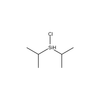
    Diisopropylchlorosilane; Chlorodiisopropylsilane; Chlorobis(1-methylethyl)silane
  • Silylates and reduces β-hydroxy ketones selectively
  • Reduces β-hydroxyketones stereoselectively
  • Used in a silylation-reduction-allylation sequence of β-hydroxy esters to homoallylic-substituted 1,3-diols
  • Used in the silylation-hydrosilation-oxidation of allyl alcohols to 1,3-diols
  • Reaction carried out in diastereoselective manner
  • Photochemically removable
  • Reduces β-hydroxy ketones to anti-1,3 diols
  • Used in the tethered reactions of unsaturated alcohols
  • Used in the silicon-based cross-coupling of vinyl ethers with aryl iodides
  • Extensive review of silicon based reducing agents: Larson, G.; Fry, J. L. "Ionic and Organometallic-Catalyzed Organosilane Reductions", Wipf, P., Ed.; Wiley, 2007
  • Summary of selective deprotection conditions is provided in Table 7 through Table 20 of the Silicon-Based Blocking Agents brochure
Supplier's Site Datasheet

Technical Specifications

  Gelest, Inc.
Product Category Organic Chemicals
Product Number SID3535.0
Product Name DIISOPROPYLCHLOROSILANE
Chemical Formula C 6 H 1 5 ClSi
Unlock Full Specs
to access all available technical data

Similar Products

DMI 1,3 Dimethyl-2-Imidazolidinone -  - Mitsui Chemicals America, Inc.
Mitsui Chemicals America, Inc.
Specs
Trigger Solvent
Chemical Name DMI 1,3 Dimethyl-2-Imidazolidinone
State of Matter Liquid / Solution
View Details
AsahiKlin Precision Cleaning Solvent - AE3100E - AGC Chemicals Americas, Inc.
Specs
Trigger Solvent
Chemical Family All Halogenated; All Ethers; Ethanol
Chemical Name 1,1,2,2- tetra fluoroethyl-2,2,2- trifluoro ethyl ether
View Details
Pickering Laboratories, Inc.
View Details