Gelest, Inc. (DIETHYLAMINO)TRIMETHYLSILANE SID3398.0

Description
Additional Properties Hydrolytic Sensitivity 7: reacts slowly with moisture/water Application Review of synthetic utility.1 Reacts with benzynes and aldehydes to form o-aminobenzyl alcohols.2 Provides a convenient synthesis of enoltrimethylsilyl ethers.3 Fieser F&F: Vol. 3, p 317; Vol. 4, p 544; Vol. 6, p 634; Vol. 18, p 382. Reference 1. Handbook of Reagents for Organic Synthesis, Reagents for Silicon-Mediated Organic Synthesis, Fuchs, P. L. Ed., John Wiley and Sons, Ltd., 2011, p. 598-599. 2. Yoshida, H. et al. Org. Lett. 2007, 9, 3367. 3. Yamamoto, Y.; Matui, C. Organometallics 1997, 16, 2204. Safety Packaging Under Nitrogen Trimethylsilyl Blocking Agent Used as a protecting group for reactive hydrogens in alcohols, amines, thiols, and carboxylic acids. Organosilanes are hydrogen-like, can be introduced in high yield, and can be removed under selective conditions. They are stable over a wide range of reaction conditions and can be removed in the presence of other functional groups, including other protecting groups. The tolerance of silylated alcohols to chemical transformations summary is presented in Table 1 of the Silicon-Based Blocking Agents brochure. Alkyl Silane - Conventional Surface Bonding Aliphatic, fluorinated aliphatic or substituted aromatic hydrocarbon substituents are the hydrophobic entities which enable silanes to induce surface hydrophobicity. The organic substitution of the silane must be non-polar. The hydrophobic effect of the organic substitution can be related to the free energy of transfer of hydrocarbon molecules from an aqueous phase to a homogeneous hydrocarbon phase. A successful hydrophobic coating must eliminate or mitigate hydrogen bonding and shield polar surfaces from interaction with water by creating a non-polar interphase. Although silane and silicone derived coatings are in general the most hydrophobic, they maintain a high degree of permeability to water vapor. This allows coatings to breathe and reduce deterioration at the coating interface associated with entrapped water. Since ions are not transported through non-polar silane and silicone coatings, they offer protection to composite structures ranging from pigmented coatings to rebar reinforced concrete. A selection guide for hydrophobic silanes can be found on pages 22-31 of the Hydrophobicity, Hydrophilicity and Silane Surface Modification brochure. Diethylaminotrimethy lsilane; Trimethylsilyldiethy lamine; N,N-Diethyl-1,1,1-tr imethylsilylamine; N,N-Diethyl-1,1,1-tr imethylsilylamine; TMSDMEA ΔHform: -367 kJ/mole Silylation reagent Reacts with benzynes and aldehydes to form O-aminobenzyl alcohols Provides a convenient synthesis of enoltrimethylsilyl ethers Releases diethylamine upon reaction Moderately strong silylating agent Selectively silylates equatorial over axial hydroxyls Nafion SAC-13 has been shown to be a recyclable catalyst for the trimethylsilylation of primary, secondary, and tertiary alcohols in excellent yields and short reaction times Summary of selective deprotection conditions is provided in Table 7 through Table 20 of the Silicon-Based Blocking Agents brochure
Datasheet
Description
Additional Properties Hydrolytic Sensitivity 7: reacts slowly with moisture/water Application Review of synthetic utility.1 Reacts with benzynes and aldehydes to form o-aminobenzyl alcohols.2 Provides a convenient synthesis of enoltrimethylsilyl ethers.3 Fieser F&F: Vol. 3, p 317; Vol. 4, p 544; Vol. 6, p 634; Vol. 18, p 382. Reference 1. Handbook of Reagents for Organic Synthesis, Reagents for Silicon-Mediated Organic Synthesis, Fuchs, P. L. Ed., John Wiley and Sons, Ltd., 2011, p. 598-599. 2. Yoshida, H. et al. Org. Lett. 2007, 9, 3367. 3. Yamamoto, Y.; Matui, C. Organometallics 1997, 16, 2204. Safety Packaging Under Nitrogen Trimethylsilyl Blocking Agent Used as a protecting group for reactive hydrogens in alcohols, amines, thiols, and carboxylic acids. Organosilanes are hydrogen-like, can be introduced in high yield, and can be removed under selective conditions. They are stable over a wide range of reaction conditions and can be removed in the presence of other functional groups, including other protecting groups. The tolerance of silylated alcohols to chemical transformations summary is presented in Table 1 of the Silicon-Based Blocking Agents brochure. Alkyl Silane - Conventional Surface Bonding Aliphatic, fluorinated aliphatic or substituted aromatic hydrocarbon substituents are the hydrophobic entities which enable silanes to induce surface hydrophobicity. The organic substitution of the silane must be non-polar. The hydrophobic effect of the organic substitution can be related to the free energy of transfer of hydrocarbon molecules from an aqueous phase to a homogeneous hydrocarbon phase. A successful hydrophobic coating must eliminate or mitigate hydrogen bonding and shield polar surfaces from interaction with water by creating a non-polar interphase. Although silane and silicone derived coatings are in general the most hydrophobic, they maintain a high degree of permeability to water vapor. This allows coatings to breathe and reduce deterioration at the coating interface associated with entrapped water. Since ions are not transported through non-polar silane and silicone coatings, they offer protection to composite structures ranging from pigmented coatings to rebar reinforced concrete. A selection guide for hydrophobic silanes can be found on pages 22-31 of the Hydrophobicity, Hydrophilicity and Silane Surface Modification brochure. Diethylaminotrimethy lsilane; Trimethylsilyldiethy lamine; N,N-Diethyl-1,1,1-tr imethylsilylamine; N,N-Diethyl-1,1,1-tr imethylsilylamine; TMSDMEA ΔHform: -367 kJ/mole Silylation reagent Reacts with benzynes and aldehydes to form O-aminobenzyl alcohols Provides a convenient synthesis of enoltrimethylsilyl ethers Releases diethylamine upon reaction Moderately strong silylating agent Selectively silylates equatorial over axial hydroxyls Nafion SAC-13 has been shown to be a recyclable catalyst for the trimethylsilylation of primary, secondary, and tertiary alcohols in excellent yields and short reaction times Summary of selective deprotection conditions is provided in Table 7 through Table 20 of the Silicon-Based Blocking Agents brochure
Datasheet

Suppliers

Company
Product
Description
Supplier Links
(DIETHYLAMINO)TRIMETHYLSILANE - SID3398.0 - Gelest, Inc.
Morrisville, PA, United States
(DIETHYLAMINO)TRIMETHYLSILANE
SID3398.0
(DIETHYLAMINO)TRIMETHYLSILANE SID3398.0
Additional Properties Hydrolytic Sensitivity 7: reacts slowly with moisture/water Application Review of synthetic utility.1 Reacts with benzynes and aldehydes to form o-aminobenzyl alcohols.2 Provides a convenient synthesis of enoltrimethylsilyl ethers.3 Fieser F&F: Vol. 3, p 317; Vol. 4, p 544; Vol. 6, p 634; Vol. 18, p 382. Reference 1. Handbook of Reagents for Organic Synthesis, Reagents for Silicon-Mediated Organic Synthesis, Fuchs, P. L. Ed., John Wiley and Sons, Ltd., 2011, p. 598-599. 2. Yoshida, H. et al. Org. Lett. 2007, 9, 3367. 3. Yamamoto, Y.; Matui, C. Organometallics 1997, 16, 2204. Safety Packaging Under Nitrogen Trimethylsilyl Blocking Agent Used as a protecting group for reactive hydrogens in alcohols, amines, thiols, and carboxylic acids. Organosilanes are hydrogen-like, can be introduced in high yield, and can be removed under selective conditions. They are stable over a wide range of reaction conditions and can be removed in the presence of other functional groups, including other protecting groups. The tolerance of silylated alcohols to chemical transformations summary is presented in Table 1 of the Silicon-Based Blocking Agents brochure. Alkyl Silane - Conventional Surface Bonding Aliphatic, fluorinated aliphatic or substituted aromatic hydrocarbon substituents are the hydrophobic entities which enable silanes to induce surface hydrophobicity. The organic substitution of the silane must be non-polar. The hydrophobic effect of the organic substitution can be related to the free energy of transfer of hydrocarbon molecules from an aqueous phase to a homogeneous hydrocarbon phase. A successful hydrophobic coating must eliminate or mitigate hydrogen bonding and shield polar surfaces from interaction with water by creating a non-polar interphase. Although silane and silicone derived coatings are in general the most hydrophobic, they maintain a high degree of permeability to water vapor. This allows coatings to breathe and reduce deterioration at the coating interface associated with entrapped water. Since ions are not transported through non-polar silane and silicone coatings, they offer protection to composite structures ranging from pigmented coatings to rebar reinforced concrete. A selection guide for hydrophobic silanes can be found on pages 22-31 of the Hydrophobicity, Hydrophilicity and Silane Surface Modification brochure. Diethylaminotrimethy lsilane; Trimethylsilyldiethy lamine; N,N-Diethyl-1,1,1-tr imethylsilylamine; N,N-Diethyl-1,1,1-tr imethylsilylamine; TMSDMEA ΔHform: -367 kJ/mole Silylation reagent Reacts with benzynes and aldehydes to form O-aminobenzyl alcohols Provides a convenient synthesis of enoltrimethylsilyl ethers Releases diethylamine upon reaction Moderately strong silylating agent Selectively silylates equatorial over axial hydroxyls Nafion SAC-13 has been shown to be a recyclable catalyst for the trimethylsilylation of primary, secondary, and tertiary alcohols in excellent yields and short reaction times Summary of selective deprotection conditions is provided in Table 7 through Table 20 of the Silicon-Based Blocking Agents brochure

Additional Properties


  • Hydrolytic Sensitivity 7: reacts slowly with moisture/water
    Application
    Review of synthetic utility.1 Reacts with benzynes and aldehydes to form o-aminobenzyl alcohols.2 Provides a convenient synthesis of enoltrimethylsilyl ethers.3
    Fieser
    F&F: Vol. 3, p 317; Vol. 4, p 544; Vol. 6, p 634; Vol. 18, p 382.
    Reference
    1. Handbook of Reagents for Organic Synthesis, Reagents for Silicon-Mediated Organic Synthesis, Fuchs, P. L. Ed., John Wiley and Sons, Ltd., 2011, p. 598-599. 2. Yoshida, H. et al. Org. Lett. 2007, 9, 3367. 3. Yamamoto, Y.; Matui, C. Organometallics 1997, 16, 2204.
    Safety
  • Packaging Under Nitrogen
    Trimethylsilyl Blocking Agent
    Used as a protecting group for reactive hydrogens in alcohols, amines, thiols, and carboxylic acids. Organosilanes are hydrogen-like, can be introduced in high yield, and can be removed under selective conditions. They are stable over a wide range of reaction conditions and can be removed in the presence of other functional groups, including other protecting groups. The tolerance of silylated alcohols to chemical transformations summary is presented in Table 1 of the Silicon-Based Blocking Agents brochure.
    Alkyl Silane - Conventional Surface Bonding
    Aliphatic, fluorinated aliphatic or substituted aromatic hydrocarbon substituents are the hydrophobic entities which enable silanes to induce surface hydrophobicity. The organic substitution of the silane must be non-polar. The hydrophobic effect of the organic substitution can be related to the free energy of transfer of hydrocarbon molecules from an aqueous phase to a homogeneous hydrocarbon phase. A successful hydrophobic coating must eliminate or mitigate hydrogen bonding and shield polar surfaces from interaction with water by creating a non-polar interphase. Although silane and silicone derived coatings are in general the most hydrophobic, they maintain a high degree of permeability to water vapor. This allows coatings to breathe and reduce deterioration at the coating interface associated with entrapped water. Since ions are not transported through non-polar silane and silicone coatings, they offer protection to composite structures ranging from pigmented coatings to rebar reinforced concrete. A selection guide for hydrophobic silanes can be found on pages 22-31 of the Hydrophobicity, Hydrophilicity and Silane Surface Modification brochure.
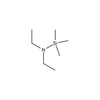
    Diethylaminotrimethylsilane; Trimethylsilyldiethylamine; N,N-Diethyl-1,1,1-trimethylsilylamine; N,N-Diethyl-1,1,1-trimethylsilylamine; TMSDMEA
  • ΔHform: -367 kJ/mole
  • Silylation reagent
  • Reacts with benzynes and aldehydes to form O-aminobenzyl alcohols
  • Provides a convenient synthesis of enoltrimethylsilyl ethers
  • Releases diethylamine upon reaction
  • Moderately strong silylating agent
  • Selectively silylates equatorial over axial hydroxyls
  • Nafion SAC-13 has been shown to be a recyclable catalyst for the trimethylsilylation of primary, secondary, and tertiary alcohols in excellent yields and short reaction times
  • Summary of selective deprotection conditions is provided in Table 7 through Table 20 of the Silicon-Based Blocking Agents brochure
Supplier's Site Datasheet

Technical Specifications

  Gelest, Inc.
Product Category Inorganic Chemicals and Compounds
Product Number SID3398.0
Product Name (DIETHYLAMINO)TRIMETHYLSILANE
Chemical Formula C 7 H 1 9 NSi
Unlock Full Specs
to access all available technical data

Similar Products

pH Buffer 4/7/10 - 238922 - Hamilton Company
Specs
Type Other; Buffer
State of Matter Liquids
Volume 0.1321 gallons (0.5000 liters)
View Details
Basic Materials & Chemicals - Caustic Soda - LG Chemical of America Inc.
Specs
Bases All Inorganic Bases; Sodium Hydroxide (Caustic Soda)
Chemical Name Sodium Hydroxide
Chemical Formula NaOH 33 / NaOH 50
View Details
Magnesium Phosphate Tribasic USP Granular - 2553 - Jost Chemical USA
Specs
Chemical Name Magnesium Phosphate Tribasic USP Granular
Chemical Formula Mg3(PO4)2 · 5H2O
CAS Number 7757-87-1
View Details
H202 30% SLSI -  - Technic, Inc.
Technic, Inc.
Specs
Chemical Name Hydrogen Peroxide
Chemical Formula H2O2
View Details