Additional Properties
Hydrolytic Sensitivity 8: reacts rapidly with moisture, water, protic solvents Fieser F&F: Vol. 1, p 1169; Vol. 2, p 414; Vol. 3, p 291; Vol. 4, p 507; Vol. 5, p 671; Vol. 6, p 590. Safety
Hazard Info oral rat, LD50: 464 mg/kg
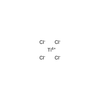
Packaging Under Nitrogen ALD Material Atomic layer deposition (ALD) is a chemically self-limiting deposition technique that is based on the sequential use of a gaseous chemical process. A thin film (as fine as -0.1 Å per cycle) results from repeating the deposition sequence as many times as needed to reach a certain thickness. The major characteristic of the films is the resulting conformality and the controlled deposition manner. Precursor selection is key in ALD processes, namely finding molecules which will have enough reactivity to produce the desired films yet are stable enough to be handled and safely delivered to the reaction chamber. Titanium tetrachloride; Titanium IVv chloride
ΔHform: -198.4 kcal/mol
Gelest, Inc.
Done
Datasheet
Description
Additional Properties
Hydrolytic Sensitivity 8: reacts rapidly with moisture, water, protic solvents Fieser F&F: Vol. 1, p 1169; Vol. 2, p 414; Vol. 3, p 291; Vol. 4, p 507; Vol. 5, p 671; Vol. 6, p 590. Safety
Hazard Info oral rat, LD50: 464 mg/kg
Packaging Under Nitrogen ALD Material Atomic layer deposition (ALD) is a chemically self-limiting deposition technique that is based on the sequential use of a gaseous chemical process. A thin film (as fine as -0.1 Å per cycle) results from repeating the deposition sequence as many times as needed to reach a certain thickness. The major characteristic of the films is the resulting conformality and the controlled deposition manner. Precursor selection is key in ALD processes, namely finding molecules which will have enough reactivity to produce the desired films yet are stable enough to be handled and safely delivered to the reaction chamber. Titanium tetrachloride; Titanium IVv chloride
ΔHform: -198.4 kcal/mol
Additional Properties
Hydrolytic Sensitivity 8: reacts rapidly with moisture, water, protic solvents
Fieser
F&F: Vol. 1, p 1169; Vol. 2, p 414; Vol. 3, p 291; Vol. 4, p 507; Vol. 5, p 671; Vol. 6, p 590.
Safety
Hazard Info oral rat, LD50: 464 mg/kg
Packaging Under Nitrogen
ALD Material
Atomic layer deposition (ALD) is a chemically self-limiting deposition technique that is based on the sequential use of a gaseous chemical process. A thin film (as fine as -0.1 Å per cycle) results from repeating the deposition sequence as many times as needed to reach a certain thickness. The major characteristic of the films is the resulting conformality and the controlled deposition manner. Precursor selection is key in ALD processes, namely finding molecules which will have enough reactivity to produce the desired films yet are stable enough to be handled and safely delivered to the reaction chamber.
Titanium tetrachloride; Titanium IVv chloride
Chemical Name
Isopentane (Other identities: Isopentane (B), Isopentane (B) Comm Grade, Isopentane Pure (B), Isopentane Sweeney Comm, Isopentane, Borger Comm