Gelest, Inc. NICKEL(II) 2,4-PENTANEDIONATE AKN580

Description
Additional Properties Hydrolytic Sensitivity 0: forms stable aqueous solutions Application Catalyzes conjugate addition of alkynyl aluminums to enones.1 Catalyzes coupling of Grignard reagents to give biaryls.2 Catalyzes Grignard additions to silyl enol ethers forming alkenes.3 Thermochromic effect in non-coordinating solvents at 200°C.4 UV stabilizer for polyphenylene sulfide.5 Catalyzes coupling of dialkylzincs with alkyl iodides.6 Intermediate for Ni nanoparticles by reduction with NaBH4.7 Forms Ni3C nanocrystals by thermolysis in oleylamine.8 Reference 1. Hansen, R. T. et al. J. Am. Chem. Soc. 1978, 100, 2244. 2. Clough, R. L. J. Org. Chem. 1976, 41, 2252. 3. Hayashi, T. et al. Tetrahedron Lett. 1980, 3915. 4. Cotton, F. et al. J. Am. Chem. Soc. 1961, 83, 2818. 5. Stahlke, K. Chem. Abstr. 114, 144761u; Eur. Patent Application 326,888, 1989. 6. Giovannini, G. R. et al. J. Org. Chem. 1999, 64, 3544. 7. Green, M. et al. J. Chem. Soc., Chem. Commun. 2001, 1912. 8. Goto, Y. et al. Chem. Mater. 2008, 20, 4156. Safety Hazard Info ipr mus, LD50: 125 mg/kg Packaging Under Nitrogen ALD Material Atomic layer deposition (ALD) is a chemically self-limiting deposition technique that is based on the sequential use of a gaseous chemical process. A thin film (as fine as -0.1 Å per cycle) results from repeating the deposition sequence as many times as needed to reach a certain thickness. The major characteristic of the films is the resulting conformality and the controlled deposition manner. Precursor selection is key in ALD processes, namely finding molecules which will have enough reactivity to produce the desired films yet are stable enough to be handled and safely delivered to the reaction chamber. Nickel(II) 2,4-pentanedionate; Acetylacetonate: nickel acac; Bis(pentane-2,4-dion ato-O,O')nickel; Nickel(II)bis(4-hydr oxy-2-pentanolate) Metal content: 22.5-23.6% Ni ?Hsub: 16.5 kcal/mol Vapor pressure, 145 °C: 0.01 mm Color: green - turns turquoise on absorption of 3 mol H2O Solubility, ethanol: 27 g/L Solubility, methoxyethoxyethanol : 70 g/L Solubility, toluene: 85 g/L Solubility, water: 11.0 g/L UV max: 265-298 nm Trimeric compound Water removed by azeotropic distillation with toluene NMR shift reagent Catalyzes conjugate addition of alkynyl aluminums to enones Catalyzes coupling of Grignard reagents to give biaryls Catalyzes Grignard additions to silyl enol ethers forming alkenes Thermochromic effect in non-coordinating solvents at 200 °C UV stabilizer for polyphenylene sulfide Catalyzes coupling of dialkylzincs with alkyl iodides Intermediate for Ni nanoparticles by reduction of NaBH4 Forms Ni3C nanocrystalas by thermolysis in oleylamine
Datasheet
Description
Additional Properties Hydrolytic Sensitivity 0: forms stable aqueous solutions Application Catalyzes conjugate addition of alkynyl aluminums to enones.1 Catalyzes coupling of Grignard reagents to give biaryls.2 Catalyzes Grignard additions to silyl enol ethers forming alkenes.3 Thermochromic effect in non-coordinating solvents at 200°C.4 UV stabilizer for polyphenylene sulfide.5 Catalyzes coupling of dialkylzincs with alkyl iodides.6 Intermediate for Ni nanoparticles by reduction with NaBH4.7 Forms Ni3C nanocrystals by thermolysis in oleylamine.8 Reference 1. Hansen, R. T. et al. J. Am. Chem. Soc. 1978, 100, 2244. 2. Clough, R. L. J. Org. Chem. 1976, 41, 2252. 3. Hayashi, T. et al. Tetrahedron Lett. 1980, 3915. 4. Cotton, F. et al. J. Am. Chem. Soc. 1961, 83, 2818. 5. Stahlke, K. Chem. Abstr. 114, 144761u; Eur. Patent Application 326,888, 1989. 6. Giovannini, G. R. et al. J. Org. Chem. 1999, 64, 3544. 7. Green, M. et al. J. Chem. Soc., Chem. Commun. 2001, 1912. 8. Goto, Y. et al. Chem. Mater. 2008, 20, 4156. Safety Hazard Info ipr mus, LD50: 125 mg/kg Packaging Under Nitrogen ALD Material Atomic layer deposition (ALD) is a chemically self-limiting deposition technique that is based on the sequential use of a gaseous chemical process. A thin film (as fine as -0.1 Å per cycle) results from repeating the deposition sequence as many times as needed to reach a certain thickness. The major characteristic of the films is the resulting conformality and the controlled deposition manner. Precursor selection is key in ALD processes, namely finding molecules which will have enough reactivity to produce the desired films yet are stable enough to be handled and safely delivered to the reaction chamber. Nickel(II) 2,4-pentanedionate; Acetylacetonate: nickel acac; Bis(pentane-2,4-dion ato-O,O')nickel; Nickel(II)bis(4-hydr oxy-2-pentanolate) Metal content: 22.5-23.6% Ni ?Hsub: 16.5 kcal/mol Vapor pressure, 145 °C: 0.01 mm Color: green - turns turquoise on absorption of 3 mol H2O Solubility, ethanol: 27 g/L Solubility, methoxyethoxyethanol : 70 g/L Solubility, toluene: 85 g/L Solubility, water: 11.0 g/L UV max: 265-298 nm Trimeric compound Water removed by azeotropic distillation with toluene NMR shift reagent Catalyzes conjugate addition of alkynyl aluminums to enones Catalyzes coupling of Grignard reagents to give biaryls Catalyzes Grignard additions to silyl enol ethers forming alkenes Thermochromic effect in non-coordinating solvents at 200 °C UV stabilizer for polyphenylene sulfide Catalyzes coupling of dialkylzincs with alkyl iodides Intermediate for Ni nanoparticles by reduction of NaBH4 Forms Ni3C nanocrystalas by thermolysis in oleylamine
Datasheet

Suppliers

Company
Product
Description
Supplier Links
NICKEL(II) 2,4-PENTANEDIONATE - AKN580 - Gelest, Inc.
Morrisville, PA, United States
NICKEL(II) 2,4-PENTANEDIONATE
AKN580
NICKEL(II) 2,4-PENTANEDIONATE AKN580
Additional Properties Hydrolytic Sensitivity 0: forms stable aqueous solutions Application Catalyzes conjugate addition of alkynyl aluminums to enones.1 Catalyzes coupling of Grignard reagents to give biaryls.2 Catalyzes Grignard additions to silyl enol ethers forming alkenes.3 Thermochromic effect in non-coordinating solvents at 200°C.4 UV stabilizer for polyphenylene sulfide.5 Catalyzes coupling of dialkylzincs with alkyl iodides.6 Intermediate for Ni nanoparticles by reduction with NaBH4.7 Forms Ni3C nanocrystals by thermolysis in oleylamine.8 Reference 1. Hansen, R. T. et al. J. Am. Chem. Soc. 1978, 100, 2244. 2. Clough, R. L. J. Org. Chem. 1976, 41, 2252. 3. Hayashi, T. et al. Tetrahedron Lett. 1980, 3915. 4. Cotton, F. et al. J. Am. Chem. Soc. 1961, 83, 2818. 5. Stahlke, K. Chem. Abstr. 114, 144761u; Eur. Patent Application 326,888, 1989. 6. Giovannini, G. R. et al. J. Org. Chem. 1999, 64, 3544. 7. Green, M. et al. J. Chem. Soc., Chem. Commun. 2001, 1912. 8. Goto, Y. et al. Chem. Mater. 2008, 20, 4156. Safety Hazard Info ipr mus, LD50: 125 mg/kg Packaging Under Nitrogen ALD Material Atomic layer deposition (ALD) is a chemically self-limiting deposition technique that is based on the sequential use of a gaseous chemical process. A thin film (as fine as -0.1 Å per cycle) results from repeating the deposition sequence as many times as needed to reach a certain thickness. The major characteristic of the films is the resulting conformality and the controlled deposition manner. Precursor selection is key in ALD processes, namely finding molecules which will have enough reactivity to produce the desired films yet are stable enough to be handled and safely delivered to the reaction chamber. Nickel(II) 2,4-pentanedionate; Acetylacetonate: nickel acac; Bis(pentane-2,4-dion ato-O,O')nickel; Nickel(II)bis(4-hydr oxy-2-pentanolate) Metal content: 22.5-23.6% Ni ?Hsub: 16.5 kcal/mol Vapor pressure, 145 °C: 0.01 mm Color: green - turns turquoise on absorption of 3 mol H2O Solubility, ethanol: 27 g/L Solubility, methoxyethoxyethanol : 70 g/L Solubility, toluene: 85 g/L Solubility, water: 11.0 g/L UV max: 265-298 nm Trimeric compound Water removed by azeotropic distillation with toluene NMR shift reagent Catalyzes conjugate addition of alkynyl aluminums to enones Catalyzes coupling of Grignard reagents to give biaryls Catalyzes Grignard additions to silyl enol ethers forming alkenes Thermochromic effect in non-coordinating solvents at 200 °C UV stabilizer for polyphenylene sulfide Catalyzes coupling of dialkylzincs with alkyl iodides Intermediate for Ni nanoparticles by reduction of NaBH4 Forms Ni3C nanocrystalas by thermolysis in oleylamine

Additional Properties


  • Hydrolytic Sensitivity 0: forms stable aqueous solutions
    Application
    Catalyzes conjugate addition of alkynyl aluminums to enones.1 Catalyzes coupling of Grignard reagents to give biaryls.2 Catalyzes Grignard additions to silyl enol ethers forming alkenes.3 Thermochromic effect in non-coordinating solvents at 200°C.4 UV stabilizer for polyphenylene sulfide.5 Catalyzes coupling of dialkylzincs with alkyl iodides.6 Intermediate for Ni nanoparticles by reduction with NaBH4.7 Forms Ni3C nanocrystals by thermolysis in oleylamine.8
    Reference
    1. Hansen, R. T. et al. J. Am. Chem. Soc. 1978, 100, 2244. 2. Clough, R. L. J. Org. Chem. 1976, 41, 2252. 3. Hayashi, T. et al. Tetrahedron Lett. 1980, 3915. 4. Cotton, F. et al. J. Am. Chem. Soc. 1961, 83, 2818. 5. Stahlke, K. Chem. Abstr. 114, 144761u; Eur. Patent Application 326,888, 1989. 6. Giovannini, G. R. et al. J. Org. Chem. 1999, 64, 3544. 7. Green, M. et al. J. Chem. Soc., Chem. Commun. 2001, 1912. 8. Goto, Y. et al. Chem. Mater. 2008, 20, 4156.
    Safety
  • Hazard Info ipr mus, LD50: 125 mg/kg
  • Packaging Under Nitrogen
    ALD Material
    Atomic layer deposition (ALD) is a chemically self-limiting deposition technique that is based on the sequential use of a gaseous chemical process. A thin film (as fine as -0.1 Å per cycle) results from repeating the deposition sequence as many times as needed to reach a certain thickness. The major characteristic of the films is the resulting conformality and the controlled deposition manner. Precursor selection is key in ALD processes, namely finding molecules which will have enough reactivity to produce the desired films yet are stable enough to be handled and safely delivered to the reaction chamber.
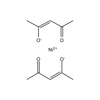
    Nickel(II) 2,4-pentanedionate; Acetylacetonate: nickel acac; Bis(pentane-2,4-dionato-O,O')nickel; Nickel(II)bis(4-hydroxy-2-pentanolate)
  • Metal content: 22.5-23.6% Ni
  • ?Hsub: 16.5 kcal/mol
  • Vapor pressure, 145 °C: 0.01 mm
  • Color: green - turns turquoise on absorption of 3 mol H2O
  • Solubility, ethanol: 27 g/L
  • Solubility, methoxyethoxyethanol: 70 g/L
  • Solubility, toluene: 85 g/L
  • Solubility, water: 11.0 g/L
  • UV max: 265-298 nm
  • Trimeric compound
  • Water removed by azeotropic distillation with toluene
  • NMR shift reagent
  • Catalyzes conjugate addition of alkynyl aluminums to enones
  • Catalyzes coupling of Grignard reagents to give biaryls
  • Catalyzes Grignard additions to silyl enol ethers forming alkenes
  • Thermochromic effect in non-coordinating solvents at 200 °C
  • UV stabilizer for polyphenylene sulfide
  • Catalyzes coupling of dialkylzincs with alkyl iodides
  • Intermediate for Ni nanoparticles by reduction of NaBH4
  • Forms Ni3C nanocrystalas by thermolysis in oleylamine
Supplier's Site Datasheet

Technical Specifications

  Gelest, Inc.
Product Category Organic Chemicals
Product Number AKN580
Product Name NICKEL(II) 2,4-PENTANEDIONATE
Chemical Formula C 1 0 H 1 4 NiO 4
Unlock Full Specs
to access all available technical data

Similar Products

AsahiKlin Precision Cleaning Solvent - AE3000ATE - AGC Chemicals Americas, Inc.
Specs
Trigger Solvent
Chemical Family All Alkenes; All Halogenated; All Ethers
Chemical Name Trans-1,2 Dichloroethylene
View Details
DMI 1,3 Dimethyl-2-Imidazolidinone -  - Mitsui Chemicals America, Inc.
Mitsui Chemicals America, Inc.
Specs
Trigger Solvent
Chemical Name DMI 1,3 Dimethyl-2-Imidazolidinone
State of Matter Liquid / Solution
View Details
METHYLDIETHOXYSILANE - SIM6506.0 - Gelest, Inc.
Specs
Chemical Formula C 5 H 1 4 O 2 Si
CAS Number 2031-62-1
Boiling Point 208 to 210 F (98 to 99 C)
View Details
Specs
Trigger Solvent
View Details