Gelest, Inc. COPPER(II) 2,4-PENTANEDIONATE AKC260

Description
Additional Properties Hydrolytic Sensitivity 4: no reaction with water under neutral conditions Application Catalyst for the reduction of nitro-aromatics with NaBH4.1 Catalyst for hydrogenation of unsaturated fats.2 Catalyst for flexible urethanes.3 Excimer laser induces deposition of copper.4 MOCVD generates copper oxide films.5 Forms ferromagnetic chains on photolysis with diazodi-4-pyridylmet hane.6 Reference 1. Hanaya, K. et al. J. Chem. Soc., Perkin Trans. 1979, 1, 2409. 2. Emken, E. et al. J. Am. Oil Chem. Soc. 1966, 43, 14. 3. Chem. Abstr. 68, 3566d; Fr. Patent 1,481,815, 1968. 4. Jones, C. et al. Appl. Phys. Lett. 1985, 46, 97. 5. Ryabova, L. In Current Topics in Material Science Kaldis, E. Ed. 1981, 7, 598. 6. Sano, Y. et al. J. Am. Chem. Soc. 1997, 119, 8246. Safety Hazard Info ivn mus, LD50: 10 mg/kg Packaging Under Nitrogen ALD Material Atomic layer deposition (ALD) is a chemically self-limiting deposition technique that is based on the sequential use of a gaseous chemical process. A thin film (as fine as -0.1 Å per cycle) results from repeating the deposition sequence as many times as needed to reach a certain thickness. The major characteristic of the films is the resulting conformality and the controlled deposition manner. Precursor selection is key in ALD processes, namely finding molecules which will have enough reactivity to produce the desired films yet are stable enough to be handled and safely delivered to the reaction chamber. Copper (II) 2,4-pentanedionate; Cupric acetylacetonate Color: pale blue Metal content: 2.8-24.5% Cu Vapor pressure, 100 °C: 0.001 mm Vapor pressure, 163 °C`: 0.1 mm Solubility, dimethylsulfoxide: 4.4 g/L Solubility, toluene: 0.4 g/L Solubility, water: 0.2 g/L Stability constant, pKa dioxane/water: 9.7 Catalyst for the reduction of nitro-aromatics NaBH4 Catalyst for hydrogenation of unsaturated fats Catalyst for flexible urethanes Excimer laser induces deposition of copper Metal-Organic Chemical Vapor Deposition (MOCVD) generates copper oxide films Forms ferromagnetic chains on photolysis with diazodi-4-pyridylmet hane
Datasheet
Description
Additional Properties Hydrolytic Sensitivity 4: no reaction with water under neutral conditions Application Catalyst for the reduction of nitro-aromatics with NaBH4.1 Catalyst for hydrogenation of unsaturated fats.2 Catalyst for flexible urethanes.3 Excimer laser induces deposition of copper.4 MOCVD generates copper oxide films.5 Forms ferromagnetic chains on photolysis with diazodi-4-pyridylmet hane.6 Reference 1. Hanaya, K. et al. J. Chem. Soc., Perkin Trans. 1979, 1, 2409. 2. Emken, E. et al. J. Am. Oil Chem. Soc. 1966, 43, 14. 3. Chem. Abstr. 68, 3566d; Fr. Patent 1,481,815, 1968. 4. Jones, C. et al. Appl. Phys. Lett. 1985, 46, 97. 5. Ryabova, L. In Current Topics in Material Science Kaldis, E. Ed. 1981, 7, 598. 6. Sano, Y. et al. J. Am. Chem. Soc. 1997, 119, 8246. Safety Hazard Info ivn mus, LD50: 10 mg/kg Packaging Under Nitrogen ALD Material Atomic layer deposition (ALD) is a chemically self-limiting deposition technique that is based on the sequential use of a gaseous chemical process. A thin film (as fine as -0.1 Å per cycle) results from repeating the deposition sequence as many times as needed to reach a certain thickness. The major characteristic of the films is the resulting conformality and the controlled deposition manner. Precursor selection is key in ALD processes, namely finding molecules which will have enough reactivity to produce the desired films yet are stable enough to be handled and safely delivered to the reaction chamber. Copper (II) 2,4-pentanedionate; Cupric acetylacetonate Color: pale blue Metal content: 2.8-24.5% Cu Vapor pressure, 100 °C: 0.001 mm Vapor pressure, 163 °C`: 0.1 mm Solubility, dimethylsulfoxide: 4.4 g/L Solubility, toluene: 0.4 g/L Solubility, water: 0.2 g/L Stability constant, pKa dioxane/water: 9.7 Catalyst for the reduction of nitro-aromatics NaBH4 Catalyst for hydrogenation of unsaturated fats Catalyst for flexible urethanes Excimer laser induces deposition of copper Metal-Organic Chemical Vapor Deposition (MOCVD) generates copper oxide films Forms ferromagnetic chains on photolysis with diazodi-4-pyridylmet hane
Datasheet

Suppliers

Company
Product
Description
Supplier Links
COPPER(II) 2,4-PENTANEDIONATE - AKC260 - Gelest, Inc.
Morrisville, PA, United States
COPPER(II) 2,4-PENTANEDIONATE
AKC260
COPPER(II) 2,4-PENTANEDIONATE AKC260
Additional Properties Hydrolytic Sensitivity 4: no reaction with water under neutral conditions Application Catalyst for the reduction of nitro-aromatics with NaBH4.1 Catalyst for hydrogenation of unsaturated fats.2 Catalyst for flexible urethanes.3 Excimer laser induces deposition of copper.4 MOCVD generates copper oxide films.5 Forms ferromagnetic chains on photolysis with diazodi-4-pyridylmet hane.6 Reference 1. Hanaya, K. et al. J. Chem. Soc., Perkin Trans. 1979, 1, 2409. 2. Emken, E. et al. J. Am. Oil Chem. Soc. 1966, 43, 14. 3. Chem. Abstr. 68, 3566d; Fr. Patent 1,481,815, 1968. 4. Jones, C. et al. Appl. Phys. Lett. 1985, 46, 97. 5. Ryabova, L. In Current Topics in Material Science Kaldis, E. Ed. 1981, 7, 598. 6. Sano, Y. et al. J. Am. Chem. Soc. 1997, 119, 8246. Safety Hazard Info ivn mus, LD50: 10 mg/kg Packaging Under Nitrogen ALD Material Atomic layer deposition (ALD) is a chemically self-limiting deposition technique that is based on the sequential use of a gaseous chemical process. A thin film (as fine as -0.1 Å per cycle) results from repeating the deposition sequence as many times as needed to reach a certain thickness. The major characteristic of the films is the resulting conformality and the controlled deposition manner. Precursor selection is key in ALD processes, namely finding molecules which will have enough reactivity to produce the desired films yet are stable enough to be handled and safely delivered to the reaction chamber. Copper (II) 2,4-pentanedionate; Cupric acetylacetonate Color: pale blue Metal content: 2.8-24.5% Cu Vapor pressure, 100 °C: 0.001 mm Vapor pressure, 163 °C`: 0.1 mm Solubility, dimethylsulfoxide: 4.4 g/L Solubility, toluene: 0.4 g/L Solubility, water: 0.2 g/L Stability constant, pKa dioxane/water: 9.7 Catalyst for the reduction of nitro-aromatics NaBH4 Catalyst for hydrogenation of unsaturated fats Catalyst for flexible urethanes Excimer laser induces deposition of copper Metal-Organic Chemical Vapor Deposition (MOCVD) generates copper oxide films Forms ferromagnetic chains on photolysis with diazodi-4-pyridylmet hane

Additional Properties


  • Hydrolytic Sensitivity 4: no reaction with water under neutral conditions
    Application
    Catalyst for the reduction of nitro-aromatics with NaBH4.1 Catalyst for hydrogenation of unsaturated fats.2 Catalyst for flexible urethanes.3 Excimer laser induces deposition of copper.4 MOCVD generates copper oxide films.5 Forms ferromagnetic chains on photolysis with diazodi-4-pyridylmethane.6
    Reference
    1. Hanaya, K. et al. J. Chem. Soc., Perkin Trans. 1979, 1, 2409. 2. Emken, E. et al. J. Am. Oil Chem. Soc. 1966, 43, 14. 3. Chem. Abstr. 68, 3566d; Fr. Patent 1,481,815, 1968. 4. Jones, C. et al. Appl. Phys. Lett. 1985, 46, 97. 5. Ryabova, L. In Current Topics in Material Science Kaldis, E. Ed. 1981, 7, 598. 6. Sano, Y. et al. J. Am. Chem. Soc. 1997, 119, 8246.
    Safety
  • Hazard Info ivn mus, LD50: 10 mg/kg
  • Packaging Under Nitrogen
    ALD Material
    Atomic layer deposition (ALD) is a chemically self-limiting deposition technique that is based on the sequential use of a gaseous chemical process. A thin film (as fine as -0.1 Å per cycle) results from repeating the deposition sequence as many times as needed to reach a certain thickness. The major characteristic of the films is the resulting conformality and the controlled deposition manner. Precursor selection is key in ALD processes, namely finding molecules which will have enough reactivity to produce the desired films yet are stable enough to be handled and safely delivered to the reaction chamber.
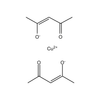
    Copper (II) 2,4-pentanedionate; Cupric acetylacetonate
  • Color: pale blue
  • Metal content: 2.8-24.5% Cu
  • Vapor pressure, 100 °C: 0.001 mm
  • Vapor pressure, 163 °C`: 0.1 mm
  • Solubility, dimethylsulfoxide: 4.4 g/L
  • Solubility, toluene: 0.4 g/L
  • Solubility, water: 0.2 g/L
  • Stability constant, pKa dioxane/water: 9.7
  • Catalyst for the reduction of nitro-aromatics NaBH4
  • Catalyst for hydrogenation of unsaturated fats
  • Catalyst for flexible urethanes
  • Excimer laser induces deposition of copper
  • Metal-Organic Chemical Vapor Deposition (MOCVD) generates copper oxide films
  • Forms ferromagnetic chains on photolysis with diazodi-4-pyridylmethane
Supplier's Site Datasheet

Technical Specifications

  Gelest, Inc.
Product Category Organic Chemicals
Product Number AKC260
Product Name COPPER(II) 2,4-PENTANEDIONATE
Chemical Formula C 1 0 H 1 4 CuO 4
Unlock Full Specs
to access all available technical data

Similar Products

AsahiKlin Precision Cleaning Solvent - AE3000 - AGC Chemicals Americas, Inc.
Specs
Trigger Solvent
Chemical Family All Halogenated; All Ethers
Chemical Name 1,1,2,2-tetra fluoroethyl-2,2,2-trifluoromethyl ether
View Details
DMI 1,3 Dimethyl-2-Imidazolidinone -  - Mitsui Chemicals America, Inc.
Mitsui Chemicals America, Inc.
Specs
Trigger Solvent
Chemical Name DMI 1,3 Dimethyl-2-Imidazolidinone
State of Matter Liquid / Solution
View Details
Specs
Trigger Acid
Chemical Name cis-ACPD
Chemical Formula C7H11NO4
View Details
Etretinate - 10190 - Medical Isotopes, Inc.
Medical Isotopes, Inc.
Specs
Chemical Formula C 23 H 30 O 3
CAS Number 54350-48-0
View Details