Gelest, Inc. COPPER(II) HEXAFLUORO-2,4-PENTANEDIONATE, dihydrate AKC253

Description
Application Employed in CVD of superconductors.1 Catalyst for addition of diazopentanediones to aldehydes and ketones to form dioxoles.2 Cu thin films deposited with H2 at 250°.3,4,5 Forms ferromagnetic chains on photolysis with diazodi-4-pyridylmet hane.6 Reference 1. Nemota, M. et al. J. Mater. Res. 1990, 5, 1. 2. Alonso, M. et al. J. Org. Chem. 1985, 50, 3445. 3. VanHemert, R. et al. J. Electrochem. Soc. 1965, 112, 1123. 4. Mosher, R. et al. U.S. Patent 3,356,527, 1967. 5. Eisenbraun, E. et al. In Advanced Metallization for ULSI Applications, 1992, Cale, T. et al. Ed.;MRS, 1993, p. 107. 6. Sano, Y. et al. J. Am. Chem. Soc. 1997, 119, 8246. Safety Packaging Under Nitrogen ALD Material Atomic layer deposition (ALD) is a chemically self-limiting deposition technique that is based on the sequential use of a gaseous chemical process. A thin film (as fine as -0.1 Å per cycle) results from repeating the deposition sequence as many times as needed to reach a certain thickness. The major characteristic of the films is the resulting conformality and the controlled deposition manner. Precursor selection is key in ALD processes, namely finding molecules which will have enough reactivity to produce the desired films yet are stable enough to be handled and safely delivered to the reaction chamber. Copper (II) hexafluoro-2,4-penta nedionate, dihydrate; Cupric hexafluoroacetylacet onate Vapor pressure, 50 °C: 1 mm Vapor pressure, 95 °C: 10 mm Solubility, methanol: >200 g/L Soluble: methanol, acetone, toluene Employed in CVD of superconductors Catalyst for addition of diazopentanediones to aldehydes and ketones to form dioxoles Cu thin films deposited with H2 at 250 °C Forms ferromagnetic chains on photolysis with diazodi-4-pyridylmet hane
Datasheet
Description
Application Employed in CVD of superconductors.1 Catalyst for addition of diazopentanediones to aldehydes and ketones to form dioxoles.2 Cu thin films deposited with H2 at 250°.3,4,5 Forms ferromagnetic chains on photolysis with diazodi-4-pyridylmet hane.6 Reference 1. Nemota, M. et al. J. Mater. Res. 1990, 5, 1. 2. Alonso, M. et al. J. Org. Chem. 1985, 50, 3445. 3. VanHemert, R. et al. J. Electrochem. Soc. 1965, 112, 1123. 4. Mosher, R. et al. U.S. Patent 3,356,527, 1967. 5. Eisenbraun, E. et al. In Advanced Metallization for ULSI Applications, 1992, Cale, T. et al. Ed.;MRS, 1993, p. 107. 6. Sano, Y. et al. J. Am. Chem. Soc. 1997, 119, 8246. Safety Packaging Under Nitrogen ALD Material Atomic layer deposition (ALD) is a chemically self-limiting deposition technique that is based on the sequential use of a gaseous chemical process. A thin film (as fine as -0.1 Å per cycle) results from repeating the deposition sequence as many times as needed to reach a certain thickness. The major characteristic of the films is the resulting conformality and the controlled deposition manner. Precursor selection is key in ALD processes, namely finding molecules which will have enough reactivity to produce the desired films yet are stable enough to be handled and safely delivered to the reaction chamber. Copper (II) hexafluoro-2,4-penta nedionate, dihydrate; Cupric hexafluoroacetylacet onate Vapor pressure, 50 °C: 1 mm Vapor pressure, 95 °C: 10 mm Solubility, methanol: >200 g/L Soluble: methanol, acetone, toluene Employed in CVD of superconductors Catalyst for addition of diazopentanediones to aldehydes and ketones to form dioxoles Cu thin films deposited with H2 at 250 °C Forms ferromagnetic chains on photolysis with diazodi-4-pyridylmet hane
Datasheet

Suppliers

Company
Product
Description
Supplier Links
COPPER(II) HEXAFLUORO-2,4-PENTANEDIONATE, dihydrate - AKC253 - Gelest, Inc.
Morrisville, PA, United States
COPPER(II) HEXAFLUORO-2,4-PENTANEDIONATE, dihydrate
AKC253
COPPER(II) HEXAFLUORO-2,4-PENTANEDIONATE, dihydrate AKC253
Application Employed in CVD of superconductors.1 Catalyst for addition of diazopentanediones to aldehydes and ketones to form dioxoles.2 Cu thin films deposited with H2 at 250°.3,4,5 Forms ferromagnetic chains on photolysis with diazodi-4-pyridylmet hane.6 Reference 1. Nemota, M. et al. J. Mater. Res. 1990, 5, 1. 2. Alonso, M. et al. J. Org. Chem. 1985, 50, 3445. 3. VanHemert, R. et al. J. Electrochem. Soc. 1965, 112, 1123. 4. Mosher, R. et al. U.S. Patent 3,356,527, 1967. 5. Eisenbraun, E. et al. In Advanced Metallization for ULSI Applications, 1992, Cale, T. et al. Ed.;MRS, 1993, p. 107. 6. Sano, Y. et al. J. Am. Chem. Soc. 1997, 119, 8246. Safety Packaging Under Nitrogen ALD Material Atomic layer deposition (ALD) is a chemically self-limiting deposition technique that is based on the sequential use of a gaseous chemical process. A thin film (as fine as -0.1 Å per cycle) results from repeating the deposition sequence as many times as needed to reach a certain thickness. The major characteristic of the films is the resulting conformality and the controlled deposition manner. Precursor selection is key in ALD processes, namely finding molecules which will have enough reactivity to produce the desired films yet are stable enough to be handled and safely delivered to the reaction chamber. Copper (II) hexafluoro-2,4-penta nedionate, dihydrate; Cupric hexafluoroacetylacet onate Vapor pressure, 50 °C: 1 mm Vapor pressure, 95 °C: 10 mm Solubility, methanol: >200 g/L Soluble: methanol, acetone, toluene Employed in CVD of superconductors Catalyst for addition of diazopentanediones to aldehydes and ketones to form dioxoles Cu thin films deposited with H2 at 250 °C Forms ferromagnetic chains on photolysis with diazodi-4-pyridylmet hane

Application


Employed in CVD of superconductors.1 Catalyst for addition of diazopentanediones to aldehydes and ketones to form dioxoles.2 Cu thin films deposited with H2 at 250°.3,4,5 Forms ferromagnetic chains on photolysis with diazodi-4-pyridylmethane.6


Reference


1. Nemota, M. et al. J. Mater. Res. 1990, 5, 1. 2. Alonso, M. et al. J. Org. Chem. 1985, 50, 3445. 3. VanHemert, R. et al. J. Electrochem. Soc. 1965, 112, 1123. 4. Mosher, R. et al. U.S. Patent 3,356,527, 1967. 5. Eisenbraun, E. et al. In Advanced Metallization for ULSI Applications, 1992, Cale, T. et al. Ed.;MRS, 1993, p. 107. 6. Sano, Y. et al. J. Am. Chem. Soc. 1997, 119, 8246.


Safety


  • Packaging Under Nitrogen
    ALD Material
    Atomic layer deposition (ALD) is a chemically self-limiting deposition technique that is based on the sequential use of a gaseous chemical process. A thin film (as fine as -0.1 Å per cycle) results from repeating the deposition sequence as many times as needed to reach a certain thickness. The major characteristic of the films is the resulting conformality and the controlled deposition manner. Precursor selection is key in ALD processes, namely finding molecules which will have enough reactivity to produce the desired films yet are stable enough to be handled and safely delivered to the reaction chamber.
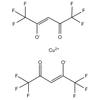
    Copper (II) hexafluoro-2,4-pentanedionate, dihydrate; Cupric hexafluoroacetylacetonate
  • Vapor pressure, 50 °C: 1 mm
  • Vapor pressure, 95 °C: 10 mm
  • Solubility, methanol: >200 g/L
  • Soluble: methanol, acetone, toluene
  • Employed in CVD of superconductors
  • Catalyst for addition of diazopentanediones to aldehydes and ketones to form dioxoles
  • Cu thin films deposited with H2 at 250 °C
  • Forms ferromagnetic chains on photolysis with diazodi-4-pyridylmethane
Supplier's Site Datasheet

Technical Specifications

  Gelest, Inc.
Product Category Organic Chemicals
Product Number AKC253
Product Name COPPER(II) HEXAFLUORO-2,4-PENTANEDIONATE, dihydrate
Chemical Formula C 1 0 H 2 CuF 1 2 O 4 · 2 H 2 O
Unlock Full Specs
to access all available technical data