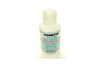
Matexcel Heparin sodium NES-KZ005

Description
Heparin sodium, also known as heparin, heparin, and heparin sodium salt, is a natural anticoagulant and an acidic mucopolysaccharide containing sulfate groups. Its molecule has a linear chain structure composed of hexasaccharide or octasaccharide repeating units, and disaccharide trisulfate is the main disaccharide unit of heparin. Heparin is widely distributed in the liver, lung, heart, spleen, kidney, thymus, intestinal mucosa, muscle and blood of mammals. Therefore, heparin can be extracted from pig intestinal mucosa, bovine lung, and pig lung. Heparin and other mucopolysaccharides combine with proteins to form complexes in tissues, so the heparin preparation process includes two steps: extraction, dissociation, and separation and purification of heparin-protein complexes. Storage: Store at room temperature Product overview: Heparin sodium is white or off-white powder, odorless, tasteless, hygroscopic, soluble in water, insoluble in organic solvents such as ethanol, acetone, and dioxane. Heparin is the most effective anticoagulant. This product can prevent the aggregation and destruction of platelets, inhibit the formation and activity of thrombin, and promote the dissolution of fibrin.
Datasheet
Description
Heparin sodium, also known as heparin, heparin, and heparin sodium salt, is a natural anticoagulant and an acidic mucopolysaccharide containing sulfate groups. Its molecule has a linear chain structure composed of hexasaccharide or octasaccharide repeating units, and disaccharide trisulfate is the main disaccharide unit of heparin. Heparin is widely distributed in the liver, lung, heart, spleen, kidney, thymus, intestinal mucosa, muscle and blood of mammals. Therefore, heparin can be extracted from pig intestinal mucosa, bovine lung, and pig lung. Heparin and other mucopolysaccharides combine with proteins to form complexes in tissues, so the heparin preparation process includes two steps: extraction, dissociation, and separation and purification of heparin-protein complexes. Storage: Store at room temperature Product overview: Heparin sodium is white or off-white powder, odorless, tasteless, hygroscopic, soluble in water, insoluble in organic solvents such as ethanol, acetone, and dioxane. Heparin is the most effective anticoagulant. This product can prevent the aggregation and destruction of platelets, inhibit the formation and activity of thrombin, and promote the dissolution of fibrin.
Datasheet

Suppliers

Company
Product
Description
Supplier Links
Heparin sodium - NES-KZ005 - Matexcel
Shirley, NY, United States
Heparin sodium
NES-KZ005
Heparin sodium NES-KZ005
Heparin sodium, also known as heparin, heparin, and heparin sodium salt, is a natural anticoagulant and an acidic mucopolysaccharide containing sulfate groups. Its molecule has a linear chain structure composed of hexasaccharide or octasaccharide repeating units, and disaccharide trisulfate is the main disaccharide unit of heparin. Heparin is widely distributed in the liver, lung, heart, spleen, kidney, thymus, intestinal mucosa, muscle and blood of mammals. Therefore, heparin can be extracted from pig intestinal mucosa, bovine lung, and pig lung. Heparin and other mucopolysaccharides combine with proteins to form complexes in tissues, so the heparin preparation process includes two steps: extraction, dissociation, and separation and purification of heparin-protein complexes. Storage: Store at room temperature Product overview: Heparin sodium is white or off-white powder, odorless, tasteless, hygroscopic, soluble in water, insoluble in organic solvents such as ethanol, acetone, and dioxane. Heparin is the most effective anticoagulant. This product can prevent the aggregation and destruction of platelets, inhibit the formation and activity of thrombin, and promote the dissolution of fibrin.

Heparin sodium, also known as heparin, heparin, and heparin sodium salt, is a natural anticoagulant and an acidic mucopolysaccharide containing sulfate groups. Its molecule has a linear chain structure composed of hexasaccharide or octasaccharide repeating units, and disaccharide trisulfate is the main disaccharide unit of heparin. Heparin is widely distributed in the liver, lung, heart, spleen, kidney, thymus, intestinal mucosa, muscle and blood of mammals. Therefore, heparin can be extracted from pig intestinal mucosa, bovine lung, and pig lung. Heparin and other mucopolysaccharides combine with proteins to form complexes in tissues, so the heparin preparation process includes two steps: extraction, dissociation, and separation and purification of heparin-protein complexes.

Storage: Store at room temperature

Product overview: Heparin sodium is white or off-white powder, odorless, tasteless, hygroscopic, soluble in water, insoluble in organic solvents such as ethanol, acetone, and dioxane. Heparin is the most effective anticoagulant. This product can prevent the aggregation and destruction of platelets, inhibit the formation and activity of thrombin, and promote the dissolution of fibrin.

Supplier's Site Datasheet

Technical Specifications

  Matexcel
Product Category Chemical Additives and Agents
Product Number NES-KZ005
Product Name Heparin sodium
Applications Food / Beverage
Unlock Full Specs
to access all available technical data

Similar Products

Light-Curable Materials, Activators, 535-A-REV-A -  - Dymax
Specs
Applications Adhesives or Sealants
View Details
Formulations - Applications - Activators - 41383PT - 34138347 - Hernon Manufacturing, Inc.
Specs
Function Deactivator / Passivator
View Details
Buffered Phthalate Solution - pH4 -  - Myron L Company
Specs
Function Buffer / Buffering Agent
Form & Features Liquids
View Details
Escorene™ Ultra EVA - Escorene™ Ultra UL 40028CC - ExxonMobil - Polyethylene Products
Specs
Applications Adhesives or Sealants
View Details