IEEE - Institute of Electrical and Electronics Engineers, Inc. Programming Models for Parallel Computing

Description
With the coming of the parallel computing era, computer scientists have turned their attention to designing programming models that are suited for high-performance parallel computing and supercomputing systems. Programming parallel systems is complicated by the fact that multiple processing units are simultaneously computing and moving data. This book offers an overview of some of the most prominent parallel programming models used in high-performance computing and supercomputing systems today. The chapters describe the programming models in a unique tutorial style rather than using the formal approach taken in the research literature. The aim is to cover a wide range of parallel programming models, enabling the reader to understand what each has to offer. The book begins with a description of the Message Passing Interface (MPI), the most common parallel programming model for distributed memory computing. It goes on to cover one-sided communication models, ranging from low-level runtime libraries (GASNet, OpenSHMEM) to high-level programming models (UPC, GA, Chapel); task-oriented programming models (Charm++, ADLB, Scioto, Swift, CnC) that allow users to describe their computation and data units as tasks so that the runtime system can manage computation and data movement as necessary; and parallel programming models intended for on-node parallelism in the context of multicore architecture or attached accelerators (OpenMP, Cilk Plus, TBB, CUDA, OpenCL). The book will be a valuable resource for graduate students, researchers, and any scientist who works with data sets and large computations. Contributors Timothy Armstrong, Michael G. Burke, Ralph Butler, Bradford L. Chamberlain, Sunita Chandrasekaran, Barbara Chapman, Jeff Daily, James Dinan, Deepak Eachempati, Ian T. Foster, William D. Gropp, Paul Hargrove, Wen-mei Hwu, Nikhil Jain, Laxmikant Kale, David Kirk, Kath Knobe, Ariram Krishnamoorthy, Jeffery A. Kuehn, Alexey Kukanov, Charles E. Leiserson, Jonathan Lifflander, Ewing Lusk, Tim Mattson, Bruce Palmer, Steven C. Pieper, Stephen W. Poole, Arch D. Robison, Frank Schlimbach, Rajeev Thakur, Abhinav Vishnu, Justin M. Wozniak, Michael Wilde, Kathy Yelick, Yili Zheng
Request a Quote
Description
With the coming of the parallel computing era, computer scientists have turned their attention to designing programming models that are suited for high-performance parallel computing and supercomputing systems. Programming parallel systems is complicated by the fact that multiple processing units are simultaneously computing and moving data. This book offers an overview of some of the most prominent parallel programming models used in high-performance computing and supercomputing systems today. The chapters describe the programming models in a unique tutorial style rather than using the formal approach taken in the research literature. The aim is to cover a wide range of parallel programming models, enabling the reader to understand what each has to offer. The book begins with a description of the Message Passing Interface (MPI), the most common parallel programming model for distributed memory computing. It goes on to cover one-sided communication models, ranging from low-level runtime libraries (GASNet, OpenSHMEM) to high-level programming models (UPC, GA, Chapel); task-oriented programming models (Charm++, ADLB, Scioto, Swift, CnC) that allow users to describe their computation and data units as tasks so that the runtime system can manage computation and data movement as necessary; and parallel programming models intended for on-node parallelism in the context of multicore architecture or attached accelerators (OpenMP, Cilk Plus, TBB, CUDA, OpenCL). The book will be a valuable resource for graduate students, researchers, and any scientist who works with data sets and large computations. Contributors Timothy Armstrong, Michael G. Burke, Ralph Butler, Bradford L. Chamberlain, Sunita Chandrasekaran, Barbara Chapman, Jeff Daily, James Dinan, Deepak Eachempati, Ian T. Foster, William D. Gropp, Paul Hargrove, Wen-mei Hwu, Nikhil Jain, Laxmikant Kale, David Kirk, Kath Knobe, Ariram Krishnamoorthy, Jeffery A. Kuehn, Alexey Kukanov, Charles E. Leiserson, Jonathan Lifflander, Ewing Lusk, Tim Mattson, Bruce Palmer, Steven C. Pieper, Stephen W. Poole, Arch D. Robison, Frank Schlimbach, Rajeev Thakur, Abhinav Vishnu, Justin M. Wozniak, Michael Wilde, Kathy Yelick, Yili Zheng
Request a Quote

Suppliers

Company
Product
Description
Supplier Links
Programming Models for Parallel Computing -  - IEEE -  Institute of Electrical and Electronics Engineers, Inc.
Piscataway, NJ, USA
Programming Models for Parallel Computing
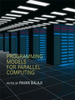
With the coming of the parallel computing era, computer scientists have turned their attention to designing programming models that are suited for high-performance parallel computing and supercomputing systems. Programming parallel systems is complicated by the fact that multiple processing units are simultaneously computing and moving data. This book offers an overview of some of the most prominent parallel programming models used in high-performance computing and supercomputing systems today. The chapters describe the programming models in a unique tutorial style rather than using the formal approach taken in the research literature. The aim is to cover a wide range of parallel programming models, enabling the reader to understand what each has to offer. The book begins with a description of the Message Passing Interface (MPI), the most common parallel programming model for distributed memory computing. It goes on to cover one-sided communication models, ranging from low-level runtime libraries (GASNet, OpenSHMEM) to high-level programming models (UPC, GA, Chapel); task-oriented programming models (Charm++, ADLB, Scioto, Swift, CnC) that allow users to describe their computation and data units as tasks so that the runtime system can manage computation and data movement as necessary; and parallel programming models intended for on-node parallelism in the context of multicore architecture or attached accelerators (OpenMP, Cilk Plus, TBB, CUDA, OpenCL). The book will be a valuable resource for graduate students, researchers, and any scientist who works with data sets and large computations. Contributors Timothy Armstrong, Michael G. Burke, Ralph Butler, Bradford L. Chamberlain, Sunita Chandrasekaran, Barbara Chapman, Jeff Daily, James Dinan, Deepak Eachempati, Ian T. Foster, William D. Gropp, Paul Hargrove, Wen-mei Hwu, Nikhil Jain, Laxmikant Kale, David Kirk, Kath Knobe, Ariram Krishnamoorthy, Jeffery A. Kuehn, Alexey Kukanov, Charles E. Leiserson, Jonathan Lifflander, Ewing Lusk, Tim Mattson, Bruce Palmer, Steven C. Pieper, Stephen W. Poole, Arch D. Robison, Frank Schlimbach, Rajeev Thakur, Abhinav Vishnu, Justin M. Wozniak, Michael Wilde, Kathy Yelick, Yili Zheng

With the coming of the parallel computing era, computer scientists have turned their attention to designing programming models that are suited for high-performance parallel computing and supercomputing systems. Programming parallel systems is complicated by the fact that multiple processing units are simultaneously computing and moving data. This book offers an overview of some of the most prominent parallel programming models used in high-performance computing and supercomputing systems today. The chapters describe the programming models in a unique tutorial style rather than using the formal approach taken in the research literature. The aim is to cover a wide range of parallel programming models, enabling the reader to understand what each has to offer. The book begins with a description of the Message Passing Interface (MPI), the most common parallel programming model for distributed memory computing. It goes on to cover one-sided communication models, ranging from low-level runtime libraries (GASNet, OpenSHMEM) to high-level programming models (UPC, GA, Chapel); task-oriented programming models (Charm++, ADLB, Scioto, Swift, CnC) that allow users to describe their computation and data units as tasks so that the runtime system can manage computation and data movement as necessary; and parallel programming models intended for on-node parallelism in the context of multicore architecture or attached accelerators (OpenMP, Cilk Plus, TBB, CUDA, OpenCL). The book will be a valuable resource for graduate students, researchers, and any scientist who works with data sets and large computations. Contributors Timothy Armstrong, Michael G. Burke, Ralph Butler, Bradford L. Chamberlain, Sunita Chandrasekaran, Barbara Chapman, Jeff Daily, James Dinan, Deepak Eachempati, Ian T. Foster, William D. Gropp, Paul Hargrove, Wen-mei Hwu, Nikhil Jain, Laxmikant Kale, David Kirk, Kath Knobe, Ariram Krishnamoorthy, Jeffery A. Kuehn, Alexey Kukanov, Charles E. Leiserson, Jonathan Lifflander, Ewing Lusk, Tim Mattson, Bruce Palmer, Steven C. Pieper, Stephen W. Poole, Arch D. Robison, Frank Schlimbach, Rajeev Thakur, Abhinav Vishnu, Justin M. Wozniak, Michael Wilde, Kathy Yelick, Yili Zheng

Supplier's Site

Technical Specifications

  IEEE - Institute of Electrical and Electronics Engineers, Inc.
Product Category Technical Books
Product Name Programming Models for Parallel Computing
Unlock Full Specs
to access all available technical data

Similar Products

A Tutorial on Thompson Sampling -  - IEEE -  Institute of Electrical and Electronics Engineers, Inc.
IEEE - Institute of Electrical and Electronics Engineers, Inc.
View Details
Automatic Text Simplification -  - IEEE -  Institute of Electrical and Electronics Engineers, Inc.
IEEE - Institute of Electrical and Electronics Engineers, Inc.
View Details
IEEE - Institute of Electrical and Electronics Engineers, Inc.
View Details
IEEE - Institute of Electrical and Electronics Engineers, Inc.
View Details