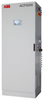
Emerson Automation Solutions – Rosemount High Temperature Oxygen Analyzer 5081FG

Description
Traditional in situ oxygen flue gas analyzers utilize zirconium oxide sensors to measure excess oxygen in process flue gas. These zirconium oxide sensors use a principle of operation based on the Nernst equation. This principle requires that the sensor cell be maintained at a high operating temperature using a heater that is powered via the analyzer’s electronics. Many operators of combustion processes have applications that involve hazardous gases in the process itself or in the ambient gases in the area where the analyzer’s electronics are installed. These operators are often concerned that the cell heater can serve as an ignition source to these hazardous gases inside the process or that the electronics can provide ignition to hazardous process or ambient gases that may be present. As a result of these concerns, these users must purchase oxygen analyzers with costly protection features. In addition, traditional in situ oxygen analyzers use metallic alloys that are also limited to temperatures in the range of 701°C (1300°F). This process temperature limitation prohibits the analyzer from being inserted close to the actual combustion process. Many operators prefer to measure flue gas oxygen close to the furnace or radiant section for a more representative oxygen measurement. Improved analyzer accuracy often results in significant fuel savings or improved process throughput. The Model 5081FG Two-Wire In Situ Oxygen Analyzer utilizes a zirconium oxide sensor to measure excess oxygen in combustion processes. The cost-effective design enables it to accurately measure excess oxygen in process temperatures ranging from 550° to 1400°C (1022° to 2550°F). In addition, the Model 5081FG is designed so that both its oxygen probe and the electronics are intrinsically safe without requiring costly design modifications such as flame arrestors. The oxygen probe is constructed of ceramic materials capable of withstanding high process temperatures. Also, the analyzer eliminates the use of the cell heater, using the higher process temperatures to heat the zirconium oxide sensor cell to the temperature required by the Nernst equation principle of operation. The Model 5081FG analyzer’s electronics are intrinsically safe, powered by the 4-20 mA signal wires. In addition, the electronics permit configuration, operation and diagnostics with an easy-to-use hand-held Infrared Remote Control (IRC). Only one IRC is required to communicate with any number of Model 5081FG Two-Wire In Situ Oxygen Analyzers at the user’s location. Communication with any specific Model 5081FG Analyzer is accomplished by aiming the IRC beam directly at the electronics and entering its factory or user ID number at the prompt. This instrument can also communicate over the 4-20 mA signal wires with a HART® communicator or Emerson Process Management AMS software.
Description
Traditional in situ oxygen flue gas analyzers utilize zirconium oxide sensors to measure excess oxygen in process flue gas. These zirconium oxide sensors use a principle of operation based on the Nernst equation. This principle requires that the sensor cell be maintained at a high operating temperature using a heater that is powered via the analyzer’s electronics. Many operators of combustion processes have applications that involve hazardous gases in the process itself or in the ambient gases in the area where the analyzer’s electronics are installed. These operators are often concerned that the cell heater can serve as an ignition source to these hazardous gases inside the process or that the electronics can provide ignition to hazardous process or ambient gases that may be present. As a result of these concerns, these users must purchase oxygen analyzers with costly protection features. In addition, traditional in situ oxygen analyzers use metallic alloys that are also limited to temperatures in the range of 701°C (1300°F). This process temperature limitation prohibits the analyzer from being inserted close to the actual combustion process. Many operators prefer to measure flue gas oxygen close to the furnace or radiant section for a more representative oxygen measurement. Improved analyzer accuracy often results in significant fuel savings or improved process throughput. The Model 5081FG Two-Wire In Situ Oxygen Analyzer utilizes a zirconium oxide sensor to measure excess oxygen in combustion processes. The cost-effective design enables it to accurately measure excess oxygen in process temperatures ranging from 550° to 1400°C (1022° to 2550°F). In addition, the Model 5081FG is designed so that both its oxygen probe and the electronics are intrinsically safe without requiring costly design modifications such as flame arrestors. The oxygen probe is constructed of ceramic materials capable of withstanding high process temperatures. Also, the analyzer eliminates the use of the cell heater, using the higher process temperatures to heat the zirconium oxide sensor cell to the temperature required by the Nernst equation principle of operation. The Model 5081FG analyzer’s electronics are intrinsically safe, powered by the 4-20 mA signal wires. In addition, the electronics permit configuration, operation and diagnostics with an easy-to-use hand-held Infrared Remote Control (IRC). Only one IRC is required to communicate with any number of Model 5081FG Two-Wire In Situ Oxygen Analyzers at the user’s location. Communication with any specific Model 5081FG Analyzer is accomplished by aiming the IRC beam directly at the electronics and entering its factory or user ID number at the prompt. This instrument can also communicate over the 4-20 mA signal wires with a HART® communicator or Emerson Process Management AMS software.
Datasheet
Datasheet Summary
Powered by GS/AI

The Rosemount 5081FG High Temperature Oxygen Analyzer is designed for accurate measurement of excess oxygen in combustion processes at high temperatures ranging from 1022 to 2550 ¬8F (550 to 1400 ¬8C). It features an intrinsically safe design for both the probe and electronics, eliminating the need for costly protective modifications such as flame arrestors. The analyzer utilizes a zirconium oxide sensor that operates without a cell heater, leveraging the high process temperatures to achieve the necessary conditions for measurement. With an accuracy of ¬±1.5% of reading, the 5081FG provides reliable data that can enhance energy control and improve process efficiency. It supports HART¬Æ communication and can be integrated with Emerson's Asset Management Solutions (AMS) for remote diagnostics and configuration. The analyzer is suitable for various applications, including process heaters, reactor furnaces, and hazardous waste incinerators, making it a versatile choice for engineers working in high-temperature environments.

Datasheet Summary
Powered by GS/AI

The Rosemount 5081FG High Temperature Oxygen Analyzer is designed for accurate measurement of excess oxygen in combustion processes at high temperatures ranging from 1022 to 2550 ¬8F (550 to 1400 ¬8C). It features an intrinsically safe design for both the probe and electronics, eliminating the need for costly protective modifications such as flame arrestors. The analyzer utilizes a zirconium oxide sensor that operates without a cell heater, leveraging the high process temperatures to achieve the necessary conditions for measurement. With an accuracy of ¬±1.5% of reading, the 5081FG provides reliable data that can enhance energy control and improve process efficiency. It supports HART¬Æ communication and can be integrated with Emerson's Asset Management Solutions (AMS) for remote diagnostics and configuration. The analyzer is suitable for various applications, including process heaters, reactor furnaces, and hazardous waste incinerators, making it a versatile choice for engineers working in high-temperature environments.

Suppliers

Company
Product
Description
Supplier Links
High Temperature Oxygen Analyzer - 5081FG - Emerson Automation Solutions – Rosemount
Irvine, CA, USA
High Temperature Oxygen Analyzer
5081FG
High Temperature Oxygen Analyzer 5081FG
Traditional in situ oxygen flue gas analyzers utilize zirconium oxide sensors to measure excess oxygen in process flue gas. These zirconium oxide sensors use a principle of operation based on the Nernst equation. This principle requires that the sensor cell be maintained at a high operating temperature using a heater that is powered via the analyzer’s electronics. Many operators of combustion processes have applications that involve hazardous gases in the process itself or in the ambient gases in the area where the analyzer’s electronics are installed. These operators are often concerned that the cell heater can serve as an ignition source to these hazardous gases inside the process or that the electronics can provide ignition to hazardous process or ambient gases that may be present. As a result of these concerns, these users must purchase oxygen analyzers with costly protection features. In addition, traditional in situ oxygen analyzers use metallic alloys that are also limited to temperatures in the range of 701°C (1300°F). This process temperature limitation prohibits the analyzer from being inserted close to the actual combustion process. Many operators prefer to measure flue gas oxygen close to the furnace or radiant section for a more representative oxygen measurement. Improved analyzer accuracy often results in significant fuel savings or improved process throughput. The Model 5081FG Two-Wire In Situ Oxygen Analyzer utilizes a zirconium oxide sensor to measure excess oxygen in combustion processes. The cost-effective design enables it to accurately measure excess oxygen in process temperatures ranging from 550° to 1400°C (1022° to 2550°F). In addition, the Model 5081FG is designed so that both its oxygen probe and the electronics are intrinsically safe without requiring costly design modifications such as flame arrestors. The oxygen probe is constructed of ceramic materials capable of withstanding high process temperatures. Also, the analyzer eliminates the use of the cell heater, using the higher process temperatures to heat the zirconium oxide sensor cell to the temperature required by the Nernst equation principle of operation. The Model 5081FG analyzer’s electronics are intrinsically safe, powered by the 4-20 mA signal wires. In addition, the electronics permit configuration, operation and diagnostics with an easy-to-use hand-held Infrared Remote Control (IRC). Only one IRC is required to communicate with any number of Model 5081FG Two-Wire In Situ Oxygen Analyzers at the user’s location. Communication with any specific Model 5081FG Analyzer is accomplished by aiming the IRC beam directly at the electronics and entering its factory or user ID number at the prompt. This instrument can also communicate over the 4-20 mA signal wires with a HART® communicator or Emerson Process Management AMS software.

Traditional in situ oxygen flue gas analyzers utilize zirconium oxide sensors to measure excess oxygen in process flue gas. These zirconium oxide sensors use a principle of operation based on the Nernst equation. This principle requires that the sensor cell be maintained at a high operating temperature using a heater that is powered via the analyzer’s electronics.

Many operators of combustion processes have applications that involve hazardous gases in the process itself or in the ambient gases in the area where the analyzer’s electronics are installed. These operators are often concerned that the cell heater can serve as an ignition source to these hazardous gases inside the process or that the electronics can provide ignition to hazardous process or ambient gases that may be present. As a result of these concerns, these users must purchase oxygen analyzers with costly protection features.

In addition, traditional in situ oxygen analyzers use metallic alloys that are also limited to temperatures in the range of 701°C (1300°F). This process temperature limitation prohibits the analyzer from being inserted close to the actual combustion process. Many operators prefer to measure flue gas oxygen close to the furnace or radiant section for a more representative oxygen measurement. Improved analyzer accuracy often results in significant fuel savings or improved process throughput.

The Model 5081FG Two-Wire In Situ Oxygen Analyzer utilizes a zirconium oxide sensor to measure excess oxygen in combustion processes. The cost-effective design enables it to accurately measure excess oxygen in process temperatures ranging from 550° to 1400°C (1022° to 2550°F). In addition, the Model 5081FG is designed so that both its oxygen probe and the electronics are intrinsically safe without requiring costly design modifications such as flame arrestors. The oxygen probe is constructed of ceramic materials capable of withstanding high process temperatures. Also, the analyzer eliminates the use of the cell heater, using the higher process temperatures to heat the zirconium oxide sensor cell to the temperature required by the Nernst equation principle of operation.

The Model 5081FG analyzer’s electronics are intrinsically safe, powered by the 4-20 mA signal wires. In addition, the electronics permit configuration, operation and diagnostics with an easy-to-use hand-held Infrared Remote Control (IRC). Only one IRC is required to communicate with any number of Model 5081FG Two-Wire In Situ Oxygen Analyzers at the user’s location. Communication with any specific Model 5081FG Analyzer is accomplished by aiming the IRC beam directly at the electronics and entering its factory or user ID number at the prompt. This instrument can also communicate over the 4-20 mA signal wires with a HART® communicator or Emerson Process Management AMS software.

Supplier's Site Datasheet

Technical Specifications

  Emerson Automation Solutions – Rosemount
Product Category Combustion Analyzers
Product Number 5081FG
Product Name High Temperature Oxygen Analyzer
Measurement Type %Volume
Application Process Gas
Gas Types O2; (0-25%)
Electrical Outputs Current
Display Digital
Unlock Full Specs
to access all available technical data

Similar Products

Vapor Flammability Analyzer - PrevEx Model SNR705 - Control Instruments Corp.
Specs
Measurement Type %LEL or %LFL
Application Ambient Air Monitoring; Process Gas
Gas Types Hydrocarbons; (0-100% LFL); H2; (0-100% LFL); Methane (CH4) / Natural Gas; (0-100% LFL)
View Details
Zirconia Oxygen Analyzer - ZFK3,4,7 Series - Fuji Electric Corp. of America
Fuji Electric Corp. of America
Specs
Application Confined Space Entry
Gas Types HCl; O2; (0 to 25vol%); SO2; (Zirconium Oxygen); Cl2
Electrical Outputs Current
View Details
ATEX Compliant Gas Analyzer - AK100 Series - ABB Measurement & Analytics
Specs
Measurement Type %Volume
Application Ambient Air Monitoring; Process Gas
Gas Types H2; (0 to 100% in CO2); (Air); (0)
View Details
Chemiluminescence NO/NO2/NOx Analyzer - TML41H - Teledyne Monitor Labs, Inc.
Specs
Measurement Type %Volume; Trace
Application Ambient Air Monitoring
Gas Types NO; (0-1 ppm / 0-200 ppm); NO2; (0-1 ppm / 0-200 ppm); NxOx; (0-1 ppm / 0-200 ppm); O2; (0-25%)
View Details