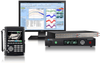
Crystal Instruments Engineering Data Management EDM

Description
Engineering Data Management (EDM) is an integrated suite of software tools from Crystal Instruments for data management and post processing. It features a single interface for interfacing between the PC and one or more hardware front ends. The interface provides a visual display with drag and drop, pop-up menus and point and click operations. The software layout is organized by task using tabs and a ribbon toolbar that is standard in modern Windows.Net software. The graphic presentation of data is among the best in the industry and fully customizable to meet a wide range of needs. EDM includes all the features you need to manage and analyze data including cursor tools, reporting functions, data export, powerful post processing of time waveforms and vibration data collection database management. EDM supports both Dynamic Signal Analyzer (DSA) and Vibration Data Collector (VDC) modes. These two working modes have a similar look and feel but different functions. The DSA functions focus on the data post processing using spectral analysis techniques while the VDC functions focus on route collection setup, machine signature analysis and trending. In post processing mode, EDM lets you browse through data files and quickly import the data content and attributes of each channel. Time traces can be played back. Cursors and zoom features let you view the signal property details. EDM post processing includes data conditioning, real-time filters, FFT spectral analysis, curve-fit, THD, RMS calculation, octave filters, order tracking, trending and alarms. Displays include time and spectra, waterfall, color-map spectrogram and bode plots. After post processing, data can be exported, or used to generate reports. The acquired time data can be processed with the Configurable Signal Processing (CSA) method which allows you to customize algorithms with a graphical interface using building blocks. This lets users with special computational needs customize the system to meet their needs. . Sophisticated math functions such as digital filters can be customized in seconds. Of course all the basic computations are available by default. EDM is built based on ASAM-ODS data model. All engineering units are nicely handled inside the programs. This powerful format allows data files as large as gigabytes to be viewed instantly.
Description
Engineering Data Management (EDM) is an integrated suite of software tools from Crystal Instruments for data management and post processing. It features a single interface for interfacing between the PC and one or more hardware front ends. The interface provides a visual display with drag and drop, pop-up menus and point and click operations. The software layout is organized by task using tabs and a ribbon toolbar that is standard in modern Windows.Net software. The graphic presentation of data is among the best in the industry and fully customizable to meet a wide range of needs. EDM includes all the features you need to manage and analyze data including cursor tools, reporting functions, data export, powerful post processing of time waveforms and vibration data collection database management. EDM supports both Dynamic Signal Analyzer (DSA) and Vibration Data Collector (VDC) modes. These two working modes have a similar look and feel but different functions. The DSA functions focus on the data post processing using spectral analysis techniques while the VDC functions focus on route collection setup, machine signature analysis and trending. In post processing mode, EDM lets you browse through data files and quickly import the data content and attributes of each channel. Time traces can be played back. Cursors and zoom features let you view the signal property details. EDM post processing includes data conditioning, real-time filters, FFT spectral analysis, curve-fit, THD, RMS calculation, octave filters, order tracking, trending and alarms. Displays include time and spectra, waterfall, color-map spectrogram and bode plots. After post processing, data can be exported, or used to generate reports. The acquired time data can be processed with the Configurable Signal Processing (CSA) method which allows you to customize algorithms with a graphical interface using building blocks. This lets users with special computational needs customize the system to meet their needs. . Sophisticated math functions such as digital filters can be customized in seconds. Of course all the basic computations are available by default. EDM is built based on ASAM-ODS data model. All engineering units are nicely handled inside the programs. This powerful format allows data files as large as gigabytes to be viewed instantly.

Suppliers

Company
Product
Description
Supplier Links
Engineering Data Management - EDM - Crystal Instruments
Santa Clara, CA, United States
Engineering Data Management
EDM
Engineering Data Management EDM
Engineering Data Management (EDM) is an integrated suite of software tools from Crystal Instruments for data management and post processing. It features a single interface for interfacing between the PC and one or more hardware front ends. The interface provides a visual display with drag and drop, pop-up menus and point and click operations. The software layout is organized by task using tabs and a ribbon toolbar that is standard in modern Windows.Net software. The graphic presentation of data is among the best in the industry and fully customizable to meet a wide range of needs. EDM includes all the features you need to manage and analyze data including cursor tools, reporting functions, data export, powerful post processing of time waveforms and vibration data collection database management. EDM supports both Dynamic Signal Analyzer (DSA) and Vibration Data Collector (VDC) modes. These two working modes have a similar look and feel but different functions. The DSA functions focus on the data post processing using spectral analysis techniques while the VDC functions focus on route collection setup, machine signature analysis and trending. In post processing mode, EDM lets you browse through data files and quickly import the data content and attributes of each channel. Time traces can be played back. Cursors and zoom features let you view the signal property details. EDM post processing includes data conditioning, real-time filters, FFT spectral analysis, curve-fit, THD, RMS calculation, octave filters, order tracking, trending and alarms. Displays include time and spectra, waterfall, color-map spectrogram and bode plots. After post processing, data can be exported, or used to generate reports. The acquired time data can be processed with the Configurable Signal Processing (CSA) method which allows you to customize algorithms with a graphical interface using building blocks. This lets users with special computational needs customize the system to meet their needs. . Sophisticated math functions such as digital filters can be customized in seconds. Of course all the basic computations are available by default. EDM is built based on ASAM-ODS data model. All engineering units are nicely handled inside the programs. This powerful format allows data files as large as gigabytes to be viewed instantly.

Engineering Data Management (EDM) is an integrated suite of software tools from Crystal Instruments for data management and post processing. It features a single interface for interfacing between the PC and one or more hardware front ends. The interface provides a visual display with drag and drop, pop-up menus and point and click operations. The software layout is organized by task using tabs and a ribbon toolbar that is standard in modern Windows.Net software. The graphic presentation of data is among the best in the industry and fully customizable to meet a wide range of needs. EDM includes all the features you need to manage and analyze data including cursor tools, reporting functions, data export, powerful post processing of time waveforms and vibration data collection database management.

EDM supports both Dynamic Signal Analyzer (DSA) and Vibration Data Collector (VDC) modes. These two working modes have a similar look and feel but different functions. The DSA functions focus on the data post processing using spectral analysis techniques while the VDC functions focus on route collection setup, machine signature analysis and trending.

In post processing mode, EDM lets you browse through data files and quickly import the data content and attributes of each channel. Time traces can be played back. Cursors and zoom features let you view the signal property details. EDM post processing includes data conditioning, real-time filters, FFT spectral analysis, curve-fit, THD, RMS calculation, octave filters, order tracking, trending and alarms. Displays include time and spectra, waterfall, color-map spectrogram and bode plots. After post processing, data can be exported, or used to generate reports.

The acquired time data can be processed with the Configurable Signal Processing (CSA) method which allows you to customize algorithms with a graphical interface using building blocks. This lets users with special computational needs customize the system to meet their needs. . Sophisticated math functions such as digital filters can be customized in seconds. Of course all the basic computations are available by default.

EDM is built based on ASAM-ODS data model. All engineering units are nicely handled inside the programs. This powerful format allows data files as large as gigabytes to be viewed instantly.

Supplier's Site

Technical Specifications

  Crystal Instruments
Product Category Data Acquisition Software
Product Number EDM
Product Name Engineering Data Management
Unlock Full Specs
to access all available technical data

Similar Products