Belt Technologies has developed an innovative concept in flat belt tracking called the Independently Steerable Pulley, or ISP. It can be used in the following system designs:
Two pulley conveyor systems in which the ISP is the idler or driven pulley
Systems with multiple idler pulleys on a common shaft
Systems with serpentine or other complex belt paths
Steering flat belts with an ISP – based on the concept of changing tension relationships across the width of the belt by adjusting the angle of the pulley relative to the belt
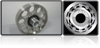
Rather than moving the pulley shaft left/right or up/down by pillow block adjustment, our PureSteel® ISP fits a variable steering collar and sealed bearing assembly to the body of the pulley. The steering collar is designed with either a skewed or an offset bore. When rotated, the collar changes the angle of the pulley body, resulting in controlled, bi-directional movement of the belt across the pulley face.
The PureSteel®ISP is exclusively available from Belt Technologies. It provides a simple method of steering flat metal belts. Users may combine ISP steering with the traditional belt tracking designs of crowning, flanging, and timing elements to create a synergistic belt tracking system which efficiently and precisely steers the belt to specified tracking parameters.
Unique Characteristics and Advantages of the ISP
Flat belts are tracked quickly by rotating the steering collar
ISP designs minimize downtime when replacing belts on production machinery
ISP system is easy to use and requires no special tools or training
ISP simplifies the design and assembly of conveyor systems using flat belts
Existing idler pulleys can normally be retrofitted to an ISP without major system modifications
No maintenance is required once the belt tracking parameters have been established
An ISP prolongs belt life by minimizing side loading when using flanges and timing pulleys
Installation and Use
The PureSteel®ISP is mounted to the system frame using commercially available pillow blocks. A clamp is used to prevent the shaft from turning.
The Rotated Shaft Method of ISP Flat Belt Tracking
Is used with systems having a single pulley on the shaft
Is ALWAYS used when the pulley body is a capped tube design
Is NEVER used when multiple pulleys are on a common shaft
Is used selectively when the ISP is a steering roll in a multiple pulley system
To put into use, secure the ISP to the shaft using the split collar and locking screw built into the ISP. Rotate the shaft and collar as a unit. When the desired tracking characteristics are obtained, prevent the shaft from rotating by securing the shaft clamp. The pulley body will now rotate about the bearing built into the ISP assembly. This method allows the belt to be tracked while running under tension.
The Rotated Collar Method of ISP Flat Belt Tracking
Is used to individually adjust each belt/pulley combination when there are multiple pulleys on a common shaft
Is used when systems have a cantilevered shafting typical of serpentine and other complex belt path systems. It is recommended that these adjustments be made only when the belt is at rest.
To put into use, fix the shaft via the shaft clamp, loosen the locking screw of the steering collar, and rotate the steering collar about the shaft. When the desired belt tracking characteristics are obtained, secure the locking screw.
Belt Technologies has developed an innovative concept in flat belt tracking called the Independently Steerable Pulley, or ISP. It can be used in the following system designs:
- Two pulley conveyor systems in which the ISP is the idler or driven pulley
- Systems with multiple idler pulleys on a common shaft
- Systems with serpentine or other complex belt paths
- Steering flat belts with an ISP – based on the concept of changing tension relationships across the width of the belt by adjusting the angle of the pulley relative to the belt
Rather than moving the pulley shaft left/right or up/down by pillow block adjustment, our PureSteel® ISP fits a variable steering collar and sealed bearing assembly to the body of the pulley. The steering collar is designed with either a skewed or an offset bore. When rotated, the collar changes the angle of the pulley body, resulting in controlled, bi-directional movement of the belt across the pulley face.
The PureSteel®ISP is exclusively available from Belt Technologies. It provides a simple method of steering flat metal belts. Users may combine ISP steering with the traditional belt tracking designs of crowning, flanging, and timing elements to create a synergistic belt tracking system which efficiently and precisely steers the belt to specified tracking parameters.
Unique Characteristics and Advantages of the ISP
- Flat belts are tracked quickly by rotating the steering collar
- ISP designs minimize downtime when replacing belts on production machinery
- ISP system is easy to use and requires no special tools or training
- ISP simplifies the design and assembly of conveyor systems using flat belts
- Existing idler pulleys can normally be retrofitted to an ISP without major system modifications
- No maintenance is required once the belt tracking parameters have been established
- An ISP prolongs belt life by minimizing side loading when using flanges and timing pulleys
Installation and Use
The PureSteel®ISP is mounted to the system frame using commercially available pillow blocks. A clamp is used to prevent the shaft from turning.
The Rotated Shaft Method of ISP Flat Belt Tracking
- Is used with systems having a single pulley on the shaft
- Is ALWAYS used when the pulley body is a capped tube design
- Is NEVER used when multiple pulleys are on a common shaft
- Is used selectively when the ISP is a steering roll in a multiple pulley system
To put into use, secure the ISP to the shaft using the split collar and locking screw built into the ISP. Rotate the shaft and collar as a unit. When the desired tracking characteristics are obtained, prevent the shaft from rotating by securing the shaft clamp. The pulley body will now rotate about the bearing built into the ISP assembly. This method allows the belt to be tracked while running under tension.
The Rotated Collar Method of ISP Flat Belt Tracking
- Is used to individually adjust each belt/pulley combination when there are multiple pulleys on a common shaft
- Is used when systems have a cantilevered shafting typical of serpentine and other complex belt path systems. It is recommended that these adjustments be made only when the belt is at rest.
To put into use, fix the shaft via the shaft clamp, loosen the locking screw of the steering collar, and rotate the steering collar about the shaft. When the desired belt tracking characteristics are obtained, secure the locking screw.