Belmont Metals, Inc. Zamak 5 89511

Description
Zinc Alloys Featuring pure Zn shot for precious metal alloying and other uses; Zn plating anodes; Superdie and other Zn alloys for rubber-mold and permanent mold casting, ultrasonic solders. Special high grade Zn, ACS reagent grade Zn, Zamak die casting alloys, ZA alloys, galvanizing brightener alloys, crusher alloy, slush alloys, plates, and rods. Zinc is used to make many useful alloys. Brass, an alloy of Zinc that contains between 55% and 95% Copper, is among the best known alloys. The use of Brass dates back 2500 years and was widely used by the Romans and is commonly used today, particularly in musical instruments and many hardware applications that must resist corrosion. Zinc is alloyed with Lead and Tin to make solder, a metal with a relatively low melting point used to join electrical components, pipes, and other metallic items. Other Zinc Alloys include Nickel Silver, typewriter metal, and German Silver. Roughly one third of all metallic Zinc produced today is used in galvanizing. Zinc is used as a protective coating to an item that is experiencing corrosion. The Zinc can be applied to the object by dipping the item into a pool of molten Zinc, but most often this is accomplished through electroplating. Sacrificial Zinc Anodes are used in cathodic protection systems to protect exposed iron from corrosion. Metallic Zinc is also used for many other applications, including, but not limited to, to make dry cell batteries, roof cladding and die castings. Applications Die Casting Alloys including Zamak Alloys; Zinc Base Master Alloys for Alloy Additions, Special High Grade Zinc for Karat Gold and other high purity applications; Pure Zinc and Zinc Alloys for Plating; Alloys for Metal Joining Forms Slab, Waffle, Ingot, Bar, Ball, Cut Pieces, Shot, Mossy.
Description
Zinc Alloys Featuring pure Zn shot for precious metal alloying and other uses; Zn plating anodes; Superdie and other Zn alloys for rubber-mold and permanent mold casting, ultrasonic solders. Special high grade Zn, ACS reagent grade Zn, Zamak die casting alloys, ZA alloys, galvanizing brightener alloys, crusher alloy, slush alloys, plates, and rods. Zinc is used to make many useful alloys. Brass, an alloy of Zinc that contains between 55% and 95% Copper, is among the best known alloys. The use of Brass dates back 2500 years and was widely used by the Romans and is commonly used today, particularly in musical instruments and many hardware applications that must resist corrosion. Zinc is alloyed with Lead and Tin to make solder, a metal with a relatively low melting point used to join electrical components, pipes, and other metallic items. Other Zinc Alloys include Nickel Silver, typewriter metal, and German Silver. Roughly one third of all metallic Zinc produced today is used in galvanizing. Zinc is used as a protective coating to an item that is experiencing corrosion. The Zinc can be applied to the object by dipping the item into a pool of molten Zinc, but most often this is accomplished through electroplating. Sacrificial Zinc Anodes are used in cathodic protection systems to protect exposed iron from corrosion. Metallic Zinc is also used for many other applications, including, but not limited to, to make dry cell batteries, roof cladding and die castings. Applications Die Casting Alloys including Zamak Alloys; Zinc Base Master Alloys for Alloy Additions, Special High Grade Zinc for Karat Gold and other high purity applications; Pure Zinc and Zinc Alloys for Plating; Alloys for Metal Joining Forms Slab, Waffle, Ingot, Bar, Ball, Cut Pieces, Shot, Mossy.

Suppliers

Company
Product
Description
Supplier Links
Zamak 5 - 89511 - Belmont Metals, Inc.
Brooklyn, NY, USA
Zamak 5
89511
Zamak 5 89511
Zinc Alloys Featuring pure Zn shot for precious metal alloying and other uses; Zn plating anodes; Superdie and other Zn alloys for rubber-mold and permanent mold casting, ultrasonic solders. Special high grade Zn, ACS reagent grade Zn, Zamak die casting alloys, ZA alloys, galvanizing brightener alloys, crusher alloy, slush alloys, plates, and rods. Zinc is used to make many useful alloys. Brass, an alloy of Zinc that contains between 55% and 95% Copper, is among the best known alloys. The use of Brass dates back 2500 years and was widely used by the Romans and is commonly used today, particularly in musical instruments and many hardware applications that must resist corrosion. Zinc is alloyed with Lead and Tin to make solder, a metal with a relatively low melting point used to join electrical components, pipes, and other metallic items. Other Zinc Alloys include Nickel Silver, typewriter metal, and German Silver. Roughly one third of all metallic Zinc produced today is used in galvanizing. Zinc is used as a protective coating to an item that is experiencing corrosion. The Zinc can be applied to the object by dipping the item into a pool of molten Zinc, but most often this is accomplished through electroplating. Sacrificial Zinc Anodes are used in cathodic protection systems to protect exposed iron from corrosion. Metallic Zinc is also used for many other applications, including, but not limited to, to make dry cell batteries, roof cladding and die castings. Applications Die Casting Alloys including Zamak Alloys; Zinc Base Master Alloys for Alloy Additions, Special High Grade Zinc for Karat Gold and other high purity applications; Pure Zinc and Zinc Alloys for Plating; Alloys for Metal Joining Forms Slab, Waffle, Ingot, Bar, Ball, Cut Pieces, Shot, Mossy.

Zinc Alloys

Featuring pure Zn shot for precious metal alloying and other uses; Zn plating anodes; Superdie and other Zn alloys for rubber-mold and permanent mold casting, ultrasonic solders.

Special high grade Zn, ACS reagent grade Zn, Zamak die casting alloys, ZA alloys, galvanizing brightener alloys, crusher alloy, slush alloys, plates, and rods.

Zinc is used to make many useful alloys. Brass, an alloy of Zinc that contains between 55% and 95% Copper, is among the best known alloys. The use of Brass dates back 2500 years and was widely used by the Romans and is commonly used today, particularly in musical instruments and many hardware applications that must resist corrosion. Zinc is alloyed with Lead and Tin to make solder, a metal with a relatively low melting point used to join electrical components, pipes, and other metallic items. Other Zinc Alloys include Nickel Silver, typewriter metal, and German Silver.

Roughly one third of all metallic Zinc produced today is used in galvanizing. Zinc is used as a protective coating to an item that is experiencing corrosion. The Zinc can be applied to the object by dipping the item into a pool of molten Zinc, but most often this is accomplished through electroplating. Sacrificial Zinc Anodes are used in cathodic protection systems to protect exposed iron from corrosion. Metallic Zinc is also used for many other applications, including, but not limited to, to make dry cell batteries, roof cladding and die castings.

Applications

Die Casting Alloys including Zamak Alloys; Zinc Base Master Alloys for Alloy Additions, Special High Grade Zinc for Karat Gold and other high purity applications; Pure Zinc and Zinc Alloys for Plating; Alloys for Metal Joining

Forms

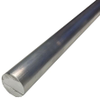
Slab, Waffle, Ingot, Bar, Ball, Cut Pieces, Shot, Mossy.

Supplier's Site

Technical Specifications

  Belmont Metals, Inc.
Product Category Metal Shapes and Stock
Product Number 89511
Product Name Zamak 5
Type Zinc
Unlock Full Specs
to access all available technical data

Similar Products

 - Nickel 201 - Plate - High Performance Alloys, Inc.
High Performance Alloys, Inc.
Specs
Type Nickel; Pure, Unalloyed or Very Low Alloy Additions; Miscellaneous Nonferrous Metal or Alloy
Shape / Form Plate; Profile or Structural Shape; Semi-finished, Mill Stock or Near Net Shapes
Features Corrosion Resistant
View Details
Precision Thin Copper & Copper Alloys -  - Arnold Magnetic Technologies
Arnold Magnetic Technologies
Specs
Type Copper
Shape / Form Sheet; Semi-finished, Mill Stock or Near Net Shapes; Strip; Foil
Processing, Temper & Finish Wrought; Annealed
View Details
1.625
Stock Drive Products & Sterling Instrument - SDP/SI
Specs
Type Copper
Shape / Form Semi-finished, Mill Stock or Near Net Shapes; Bar Stock
Applications Wear resistant parts or tooling
View Details
SU085-1/2 Carbon-coated Copper Foil - Product-SU085 - Dongguan Sheen Electronic Technology Co., Ltd.
Dongguan Sheen Electronic Technology Co., Ltd.
Specs
Type Copper
Shape / Form Foil
Thickness 0.0024 inch (0.0600 mm)
View Details